While the world chases yoga retreats, Hong Kong's meditation movement charts its own path
Global wellness embraces studio culture and Instagram-ready flows, but Hong Kong residents are blending ancient practices with urban pragmatism—and the numbers suggest we're doing it differently.
This article was generated by AI from the linked public sources. The Daily Hong Kong is independently owned and covers Hong Kong news free from advertiser or sponsor influence. Read our editorial standards →
Walk through Victoria Park on any weekday morning and you'll spot clusters of tai chi practitioners moving in synchronized rhythm—a scene as quintessentially Hong Kong as dim sum carts. Yet ask those same people about yoga meditation, and the conversation shifts. While wellness platforms globally report yoga class bookings up 47% since 2023, Hong Kong's adoption tells a subtly different story: slower integration, deeper skepticism, and a population more likely to blend Eastern meditation with Western fitness than abandon one for the other entirely.
The global yoga boom—driven by boutique studios in New York, London, and Sydney offering heated flows and mindfulness packages—hasn't replicated itself here with the same fervor. Instead, Hong Kong's yoga community occupies a curious middle ground. Studios cluster in Central, Causeway Bay, and mid-level neighbourhoods like Sheung Wan, with monthly class passes ranging from HK$800 to HK$2,500, considerably higher than regional peers. Yet uptake remains modest: wellness surveys suggest only 12-15% of Hong Kong residents practice yoga regularly, compared to 21% in Singapore and 18% in Australia.
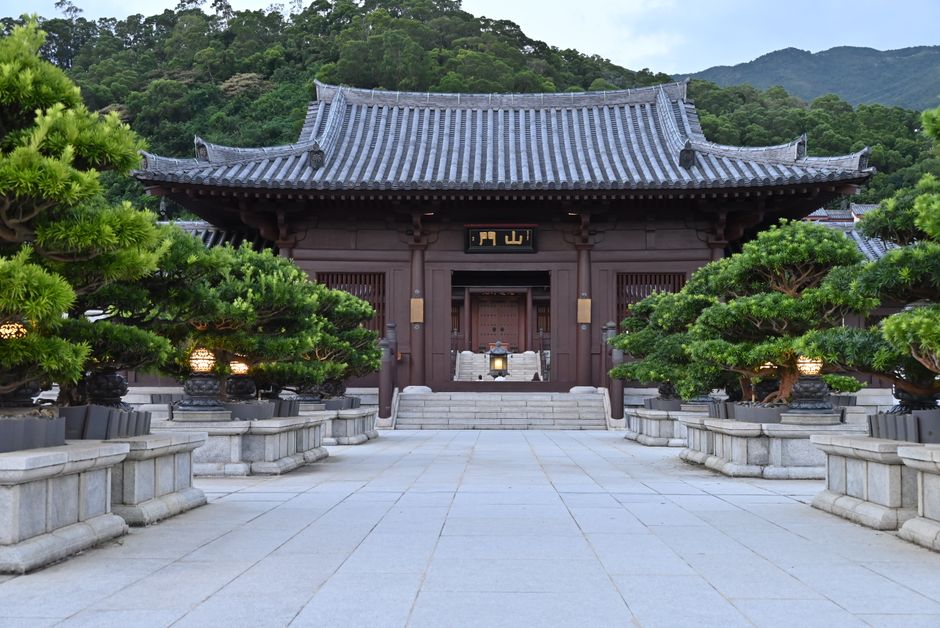
What's driving the divergence? Local culture plays a role. Hong Kong's wellness identity was already firmly rooted in tai chi parks, kung fu studios, and qigong traditions long before downward dog became fashionable. The Department of Health's community wellness programs continue emphasizing these practices, and they're free or nearly so—a stark contrast to private yoga studio economics.
Yet change is underway. Meditation-specific apps and online platforms have democratized access: Insight Timer and local equivalents report 34% growth among Hong Kong users since 2024. Corporate wellness programs—particularly in Central's financial district—increasingly bundle yoga and meditation into employee benefits, normalizing the practice among white-collar workers aged 28-45.
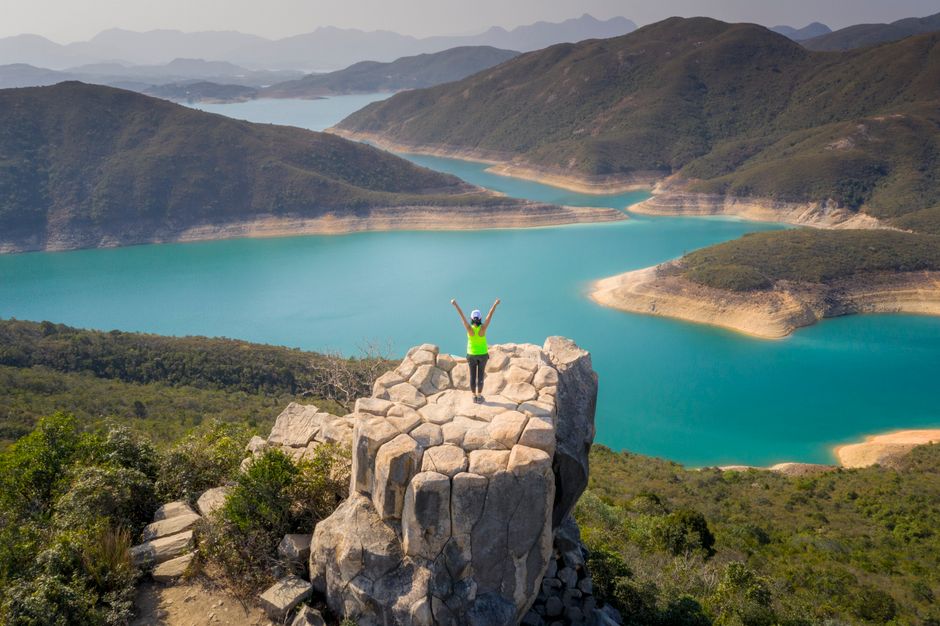
Perhaps most telling: Hong Kong's most successful yoga spaces aren't positioning themselves as lifestyle temples. Instead, they're practical hybrids—studios offering both vinyasa and injury-prevention classes, meditation rooms alongside physio consultations. This pragmatism mirrors how locals approach fitness more broadly: hiking the Dragon's Back or MacLehose Trail segments isn't about the Instagram moment; it's about health amid concrete density.
The global wellness industry projects yoga market value at US$215 billion by 2027. Hong Kong's share will grow, certainly. But the city's particular genius lies in grafting new practices onto existing wisdom rather than wholesale replacement. That's not resistance to global trends—it's localization done thoughtfully.
For guidance on meditation practices suited to your lifestyle, consult your local doctor or Department of Health clinic.
This article was compiled by AI from the sources linked above and screened before publishing. See our editorial standards.
Covering wellness in Hong Kong. This article was generated by AI from the linked sources and was not reviewed by a human editor before publishing. See our editorial standards.