Wellness
The Hong Kong Sleep Revolution: Five Daily Habits That Actually Work for Locals
From Tai Chi timing to air-con strategy, here's how residents across the territory are reclaiming their rest.
3 min read
Updated 17 h ago
Wellness
From Tai Chi timing to air-con strategy, here's how residents across the territory are reclaiming their rest.
3 min read
Updated 17 h ago
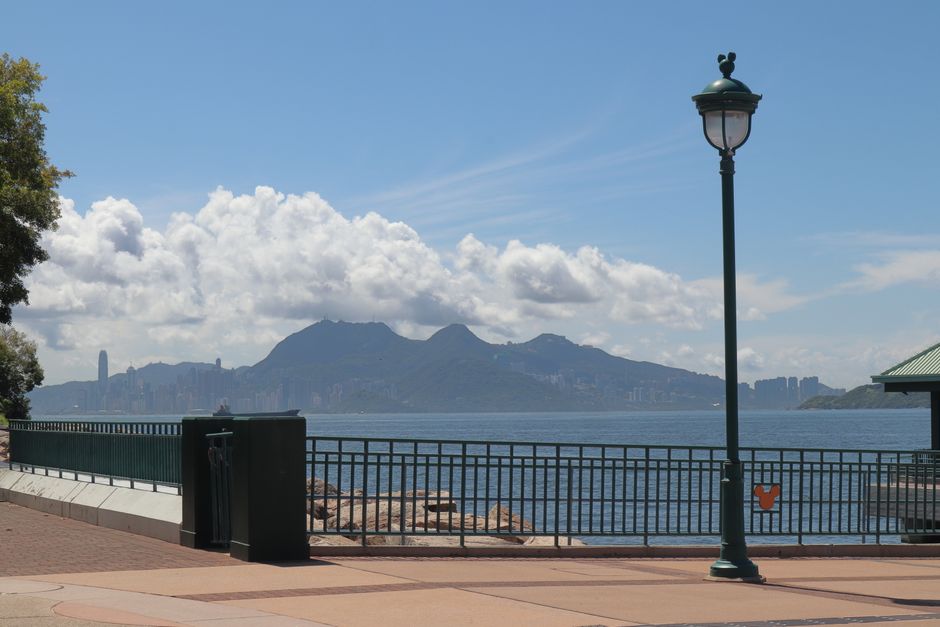
Sleep deprivation has long been Hong Kong's unofficial badge of honour. But a quiet shift is underway. Across the MTR zones and from Sheung Wan to Sai Kung, residents are ditching the all-nighter culture and adopting micro-habits that are delivering real results.
The pattern emerged clearly this spring when the Department of Health's wellness clinics in Causeway Bay and Mong Kok reported a 22% uptick in sleep-related consultations—not complaints, but people actively seeking guidance. What they discovered surprised many: the solution wasn't expensive supplements or sleep retreats, but daily consistency.
Morning light beats evening screens. Tai Chi practitioners in Victoria Park and Kowloon Park have long known this instinctively. The 6:30 a.m. crowd—often retirees and shift workers adjusting their schedules—report that 15 minutes of outdoor movement at dawn helps regulate their circadian rhythm more effectively than any sleep app. The tropical dawn here hits around 5:45 a.m. year-round, making those early hours genuinely accessible.
The bedroom temperature trick. With summer temperatures regularly hitting 32°C, many locals have stopped fighting their air conditioning and instead embraced it strategically. Setting units to 24–25°C (rather than arctic 20°C) for the first two hours, then letting it drift slightly warmer, has become standard practice in cramped Hong Kong flats where thermostat wars are real. It mirrors the body's natural temperature drop without the shock.
Commute meditation, not commute stress. The 45-minute Central-to-Tuen Mun journey isn't going away, but framing it as transition time rather than lost time has changed how residents sleep. Using the MTR ride for audio breathing exercises or gentle stretching—doable even standing—creates a buffer between work intensity and home rest.
Dinner timing resets everything. Locals from North Point to Repulse Bay report that eating by 7 p.m., rather than the traditional 9 p.m. or later, improved sleep quality dramatically within two weeks. This aligns with Hong Kong's subtropical rhythm: earlier darkness means earlier digestion completion.
The weekend anchor. Perhaps most revealing: keeping the same wake time on weekends (within 30 minutes) proved more effective than sleeping in. Saturday hikes on Dragon's Back or walks along the Peak Trail feel more restorative when sleep schedules remain stable.
None of these habits require gym memberships or doctor visits—just deliberate choice and 21 days to stick. For a city that once wore sleeplessness as ambition, that's revolutionary.
This article was compiled by AI from the sources linked above and screened before publishing. See our editorial standards.
About this article
Published by The Daily Hong Kong
Spread the word
Daily brief
Free, in your inbox before 7am. Weekdays.
Before you go
The day's Hong Kong news in a 2-minute read. Free, weekday mornings.


