Walk through Victoria Park on any weekday morning and you'll witness a quiet revolution unfolding. Dozens of residents in their 60s, 70s, and beyond move through tai chi sequences with deliberate grace, their focus unwavering. What was once dismissed as a gentle pastime has become central to Hong Kong's emerging active ageing movement—one that health authorities and fitness operators are beginning to take seriously.
The shift reflects both demographic necessity and changing attitudes. Hong Kong's population aged 65 and above reached 1.95 million in 2024, representing roughly 20% of residents. Yet unlike previous generations, today's seniors increasingly reject sedentary retirement. Instead, they're pursuing structured fitness programmes designed around longevity, mobility, and quality of life.
The Department of Health's Active Ageing Health Initiative has expanded significantly, with neighbourhood wellness clinics across Mong Kok, Causeway Bay, and Sheung Wan now offering free or subsidised movement classes specifically designed for older adults. Demand has outpaced supply—some morning slots fill within hours of opening registration.
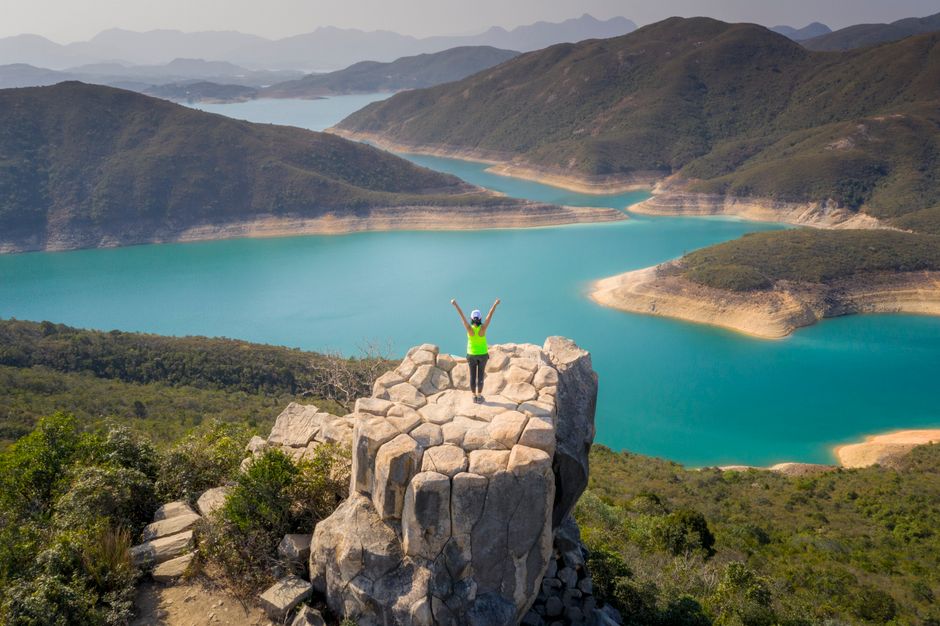
Private operators have noticed. Boutique studios in Central and Admiralty now offer "joint-friendly" strength training and mobility workshops at HK$180–280 per session, targeting the affluent over-60 demographic. Meanwhile, hiking groups like the Hong Kong Ramblers have launched slower-paced variants of popular trails. Dragon's Back, traditionally an intermediate hike, now hosts guided walks catering to those rebuilding strength after illness or injury. The MacLehose Trail 100km challenge, once elite-focused, now includes walkathon variants for recreational participants.
What's driving this shift? Research increasingly shows that structured movement in later life reduces fall risk, improves cardiovascular health, and maintains cognitive function. Local physiotherapists report a 40% uptick in enquiries from people over 60 seeking preventive mobility coaching rather than post-injury rehabilitation.
The trend reflects a broader reframing: active ageing isn't about climbing peaks or setting personal records. It's about sustained independence, community connection, and proving that mobility needn't decline with age. When a 72-year-old regularly tackles Peak Trail or a 65-year-old discovers strength training for the first time, it's not novelty—it's a genuine shift in how this city values its maturing population.
For those considering joining: consult your local doctor first, start gradually, and connect with established groups in your neighbourhood. Hong Kong's wellness infrastructure for active seniors is finally catching up to demand.
This article was compiled by AI from the sources linked above and screened before publishing. See our editorial standards.