Walk through Central on any weekday morning and you'll spot them: professionals in athleisure gear, yoga mats tucked under their arms, heading to one of the neighbourhood's dozen-plus dedicated studios. Five years ago, this scene would have been unusual in Hong Kong. Today, it's become as routine as the morning dim sum queue.
The numbers tell the story. Hong Kong's yoga and meditation market has grown by an estimated 22 per cent annually since 2022, according to local wellness industry reports. Studios in Sheung Wan, Causeway Bay, and Quarry Bay now outnumber traditional gyms in some districts, with class fees ranging from HK$120 for drop-in sessions to premium memberships exceeding HK$2,000 monthly at established venues.
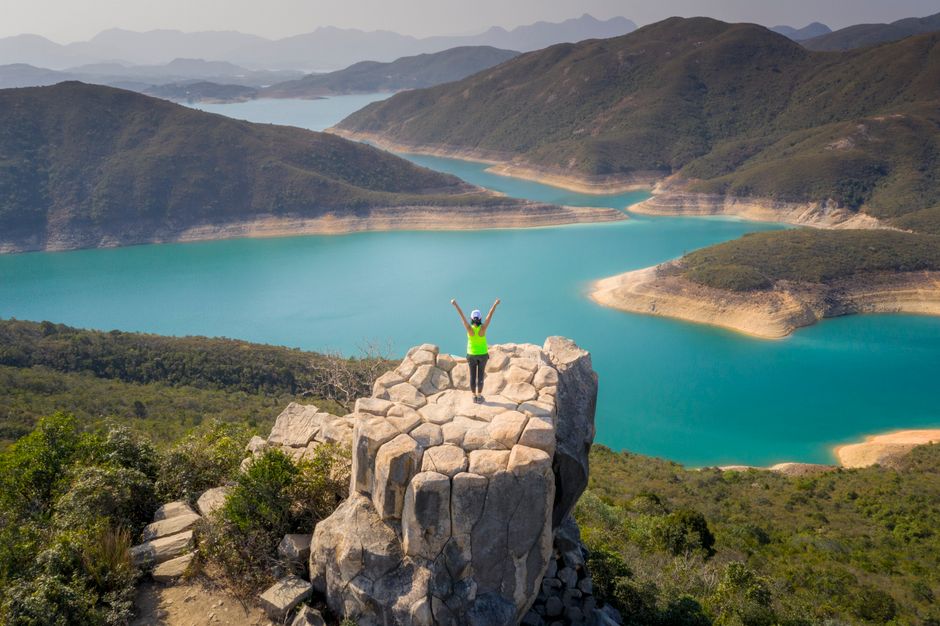
The shift reflects a broader cultural conversation about burnout in one of the world's most fast-paced cities. Unlike the hiking culture epitomised by trails like Dragon's Back or the tai chi practitioners gathering in Victoria Park at dawn, yoga and meditation offer something different: structured introspection designed for office workers with irregular schedules.
"People are seeking tools to manage anxiety," explains wellness culture in Hong Kong, where a 2024 mental health survey found 43 per cent of respondents reported high stress levels. The Department of Health has increasingly promoted mindfulness-based interventions at community clinics across the territory, recognising meditation's evidence-backed benefits for both physical and mental health.
The democratisation of these practices has accelerated through online platforms. During the pandemic, Hong Kong studios pivoted to Zoom-based classes—a model many have maintained, making evening sessions accessible to those across Kowloon and the New Territories who previously couldn't reach Central studios.
Yet the trend isn't without criticism. Some wellness advocates worry the commercialisation of yoga risks stripping away its philosophical roots, reducing ancient practices to another luxury commodity in Hong Kong's expensive wellness landscape. A 90-minute vinyasa class in Soho costs roughly triple what the same session might in Southeast Asian cities.
Still, the appetite persists. Community centres from Sai Wan Ho to Tuen Mun now offer subsidised yoga classes, broadening access beyond Hong Kong's affluent districts. Corporate wellness programmes increasingly feature meditation breaks, with major financial and tech firms adding mindfulness training to staff development packages.
As Hong Kong continues its perpetual sprint, the quiet revolution happening in yoga studios and meditation centres suggests many residents are learning to pause—and discovering that stillness, in a city that never sleeps, has become a radical act.
This article was compiled by AI from the sources linked above and screened before publishing. See our editorial standards.