Wellness
How to Start a Walking Group in Your Neighbourhood
From permits to first steps, here's what you need to know about launching a community walking initiative in Hong Kong.
3 min read
Wellness
From permits to first steps, here's what you need to know about launching a community walking initiative in Hong Kong.
3 min read
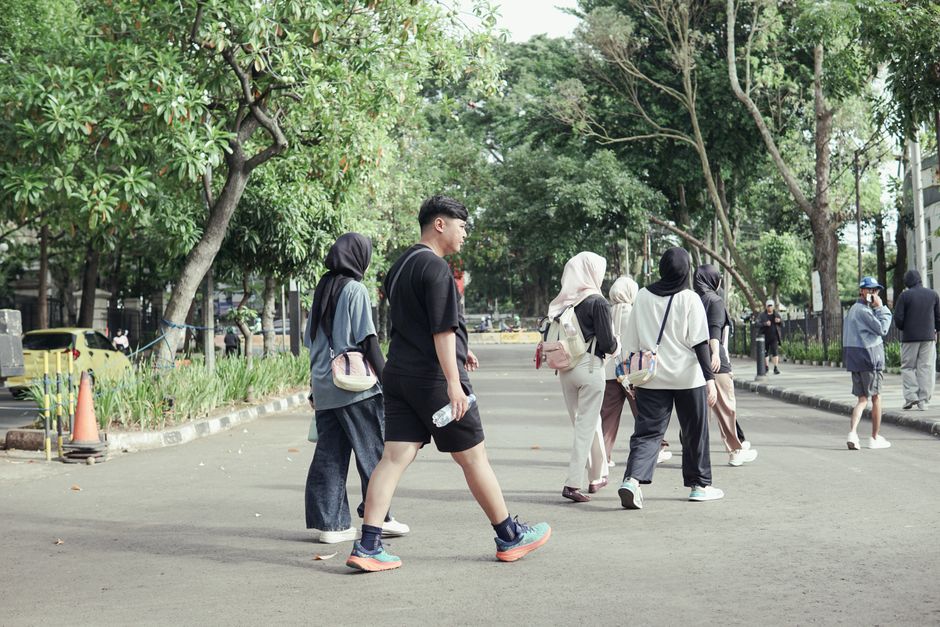
Walking groups have quietly become one of Hong Kong's most accessible fitness movements. Whether it's retirees gathering in Victoria Park at dawn or young professionals exploring the Central and Mid-Levels circuit, neighbourhood walking collectives are reshaping how we move through our city. If you've considered starting your own, the barriers are lower than you might think.
Begin with logistics. You don't need permission to gather friends for a casual walk around your estate or local neighbourhood. However, if you plan a larger, recurring event—say, 20+ participants meeting weekly on public land—a quick call to your District Council or the Parks and Gardens section of the Leisure and Cultural Services Department clarifies any requirements. For routes like those around Stanley Promenade or the Repulse Bay seafront, organisers typically just need to notify authorities of group size and timing.
Choose your route strategically. Popular neighbourhood options include the Star Ferry to Central waterfront loop (accessible from all districts), coastal paths in Sai Kung, or estate perimeter walks in places like Tseung Kwan O and Sha Tin. For inner-city groups, the converted tram tracks and pedestrian bridges connecting Sham Shui Po to Mong Kok offer engaging 5-7km circuits. Start with a distance your members can comfortably repeat—typically 3-5km for mixed-age groups.
Recruitment is easiest through neighbourhood channels. Post on estate WhatsApp groups, bulletin boards in neighbourhood convenience stores, or local Facebook community pages dedicated to your district. Morning slots (6-7am) and weekend afternoons tend to attract steady participation. Consider partnering with existing infrastructure: some community centres, like those run by the YMCA, offer promotional support for grassroots fitness initiatives.
Set clear expectations from the start. Decide whether your group is social-focused or fitness-focused, establish a consistent day and time, and communicate your chosen route. Free is traditional, though some groups ask HK$20-30 monthly for a small fund covering occasional refreshments or route planning.
Don't overlook Hong Kong's existing model: tai chi in neighbourhood parks demonstrates how sustainable community fitness operates here. Apply that principle to walking—consistency, accessibility, and low barriers to entry. Your group doesn't need app integration or sponsorship. It needs a route, a time, and regularity.
Start with five friends and a familiar neighbourhood loop. Document your first walk on your phone. Share photos locally. Word-of-mouth grows walking groups organically in Hong Kong's densely connected neighbourhoods. Within weeks, you'll have established something your community will value.
This article was compiled by AI from the sources linked above and screened before publishing. See our editorial standards.
About this article
Published by The Daily Hong Kong
Spread the word
Daily brief
Free, in your inbox before 7am. Weekdays.
Before you go
The day's Hong Kong news in a 2-minute read. Free, weekday mornings.