On any given morning in Victoria Park, clusters of older adults move through tai chi sequences as dawn breaks over the harbour. It's a scene as old as the city itself, yet what's changed—dramatically—is what comes after. These practitioners increasingly transition into structured fitness classes, guided hiking groups, and mobility workshops that would have seemed unimaginable a decade ago.
Active ageing has moved from fringe concept to mainstream wellness priority in Hong Kong, driven by demographic urgency and a cultural shift in how the city views later life. The Department of Health's District Health Centres across Hong Kong Island, Kowloon, and the New Territories now offer subsidised movement classes specifically designed for those over 60, with fees as low as HK$20 per session. Waiting lists for popular mobility and balance classes at centres in Causeway Bay, Mong Kok, and Tuen Mun regularly exceed capacity.
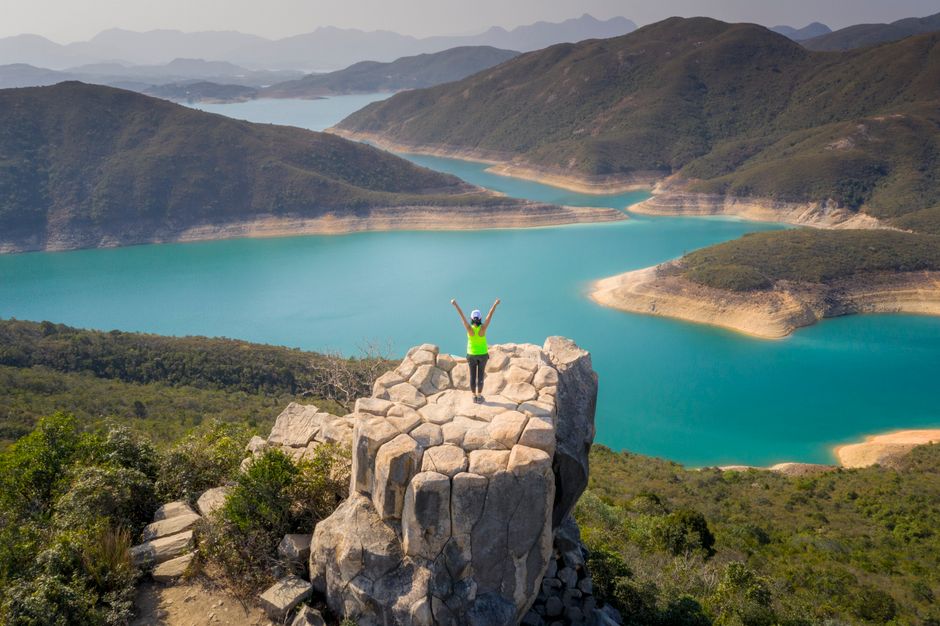
The MacLehose Trail, the city's legendary 100-kilometre coastal route, has become an unlikely symbol of this shift. Local hiking clubs report that participants aged 65 and over now constitute nearly 30% of their active membership—a figure that has doubled since 2022. More accessible alternatives like the Dragon's Back trail in Shau Kei Wan and the Peak Trail draw thousands of seniors weekly, supported by volunteer guides trained specifically in age-appropriate pacing and joint protection.
Commercial wellness providers have taken notice. Premium fitness centres in Central and Admiralty now dedicate entire studio schedules to low-impact strength training, aquatic physiotherapy, and flexibility work. Meanwhile, grassroots organisations like those operating from community centres in Sheung Wan and Sham Shui Po have developed free or near-free programmes that emphasise accessibility over exclusivity—recognising that sustainable active ageing requires removing financial barriers.
The shift reflects both necessity and opportunity. Hong Kong's population aged 65 and over is projected to reach 20% by 2036, yet older adults increasingly reject a narrative of decline. Instead, they're investing in joint mobility, cardiovascular resilience, and functional strength as tools for independence and social connection.
What distinguishes Hong Kong's active ageing movement is its integration of traditional practice—tai chi, qigong—with contemporary sports science. Physiotherapists trained in gerontological principles now co-lead programmes in parks and community spaces, blending ancestral wellness wisdom with evidence-based injury prevention.
For those interested in exploring local opportunities, the Department of Health website lists programmes by district, while community centres citywide offer orientation sessions. The trend signals a profound reorientation: ageing is no longer something to manage passively, but a phase of life to move through actively.
This article was compiled by AI from the sources linked above and screened before publishing. See our editorial standards.