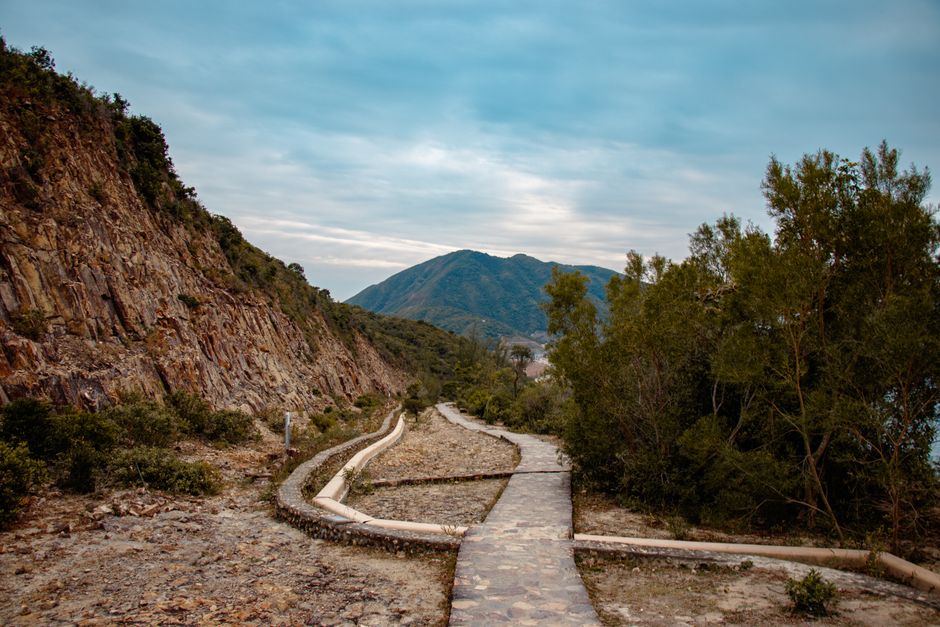
Hong Kong's relationship with running has shifted dramatically. Rather than pounding concrete in Central or along Victoria Harbour, thousands of residents are discovering that our network of mountain trails—from the accessible Peak Trail to the challenging Dragon's Back route in Shau Kei Wan—offer scientifically documented wellness advantages that traditional gym workouts simply cannot replicate.
A growing body of research into trail running specifically supports what many Hong Kong fitness enthusiasts already know intuitively. Studies published in the Journal of Sports Sciences demonstrate that off-road running engages stabiliser muscles 25 per cent more intensively than road running, while simultaneously reducing impact-related injuries by distributing forces more evenly across the body. For Hong Kong runners tackling the undulating terrain of routes like the MacLehose Trail sections near Sai Kung, this means building functional strength alongside cardiovascular fitness.
The mental health benefits prove equally compelling. Research from the University of Exeter found that exercising in natural environments reduces cortisol levels—our primary stress hormone—more effectively than indoor activities. This matters acutely in Hong Kong's high-pressure environment. Morning runners gathering in parks throughout the New Territories and Mid-Levels benefit from what researchers call 'green exercise,' a phenomenon particularly potent when combined with the social cohesion of group running communities.
Accessibility matters too. The Department of Health's network of recreational facilities across all districts has expanded trail maintenance partnerships, while free public running routes remain abundant. Dragon's Back, frequently ranked among Asia's most scenic urban hikes, costs nothing. Peak Trail maintenance has been upgraded, making high-altitude training accessible to runners at varying fitness levels. Commercial running clubs in Causeway Bay and Sheung Wan charge between HK$300–600 monthly for group sessions on curated trail routes, significantly cheaper than personal training.
Elevation training—naturally available on Hong Kong's trails—triggers physiological adaptations that improve oxygen utilisation efficiency. Runners regularly tackling Hong Kong's vertical topography experience enhanced aerobic capacity within 4–6 weeks, according to sports physiology research. This explains why local ultramarathoners competing in international events often credit their training on familiar routes like the Lantau Peak trails.
The evidence increasingly suggests Hong Kong's environmental conditions—subtropical terrain, accessible elevation gain, established trail networks—create optimal conditions for sustainable outdoor fitness. Rather than imported fitness trends, our natural geography offers a scientifically-backed wellness approach already embedded in the city's landscape.
Always consult a local medical professional before beginning new exercise programmes, particularly if you have pre-existing health conditions.
This article was compiled by AI and screened before publishing. See our editorial standards.