Most mornings by 7 a.m., the benches and pavilions of Kowloon Park are already claimed. Tai chi practitioners move through their forms in the damp July heat, eyes soft, breath deliberate. What fewer people realise is that the slow, purposeful walk they take around the park's perimeter before settling into their routines is itself a form of meditation — and researchers say it may be one of the most accessible mental health tools available in a city that consistently ranks among the world's most stressed.
Hong Kong's Department of Health reported in its 2024 population health survey that nearly 38 percent of adults aged 18 to 64 described their stress levels as "high" or "very high," with work pressure and housing costs cited as the dominant triggers. Meditation app downloads in the city rose 61 percent between 2022 and 2025, according to analytics firm Sensor Tower, yet dropout rates for seated practice remain stubbornly high. Walking meditation sidesteps the biggest barrier: you don't have to sit still.
The Science Behind Moving Mindfully
The practice has roots in Buddhist sati — the Pali word for awareness — and has been part of Zen and Theravada traditions for centuries. Contemporary psychology has caught up. A 2023 study published in the journal Mindfulness tracked 108 participants over eight weeks and found that structured walking meditation reduced self-reported anxiety scores by 27 percent, comparable to seated mindfulness-based stress reduction programs. The key difference: adherence. Participants in the walking group completed 74 percent of their sessions versus 52 percent for the seated group.
The mechanics are straightforward. Instead of using breath as the primary anchor of attention, you use physical sensation — the pressure of the foot lifting, moving forward, making contact with the ground. Ambient sound, the temperature of air on skin, the rhythmic swing of arms. Thoughts arise; you notice them without chasing them, then return to the body in motion. That's the whole instruction.
Where to Practice in Hong Kong
The city is, almost accidentally, brilliantly designed for this. Dragon's Back Trail on Hong Kong Island — accessible from Shek O Road in the south — offers a 8.5-kilometre route where the terrain demands enough attention to crowd out rumination naturally. The uneven stone steps force you into your feet. Certified mindfulness instructor training programs offered through the Hong Kong Psychological Society recommend trails with natural soundscapes precisely for this reason: birdsong and wind provide neutral focal points that urban noise cannot.
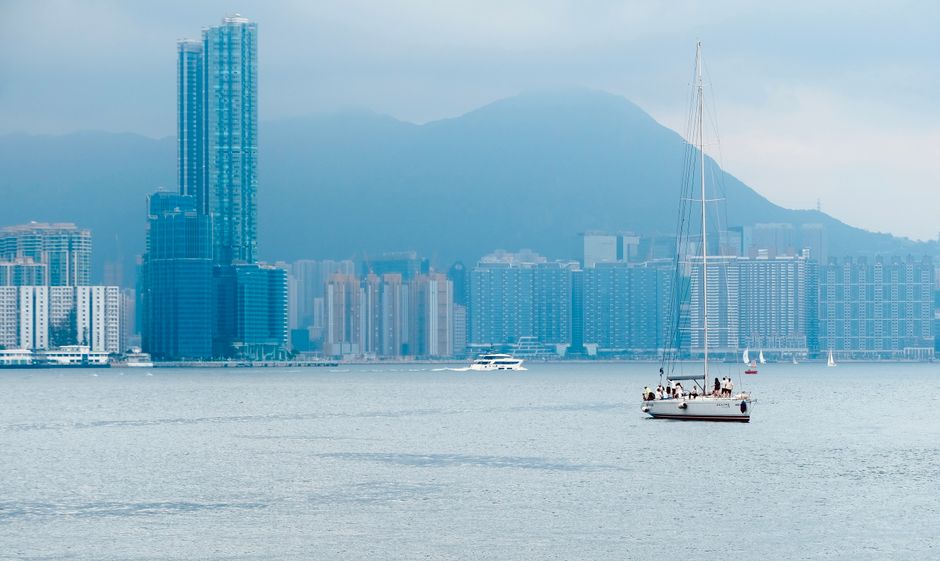
For those who can't reach the hills on a weekday, the Tsim Sha Tsui Waterfront Promenade between the Clock Tower and the Hung Hom Ferry Pier is 1.7 kilometres of flat, relatively uncrowded walkway before 8 a.m. The harbour view gives the eyes somewhere restful to land. Several practitioners interviewed for this piece — speaking in their personal capacity rather than as medical professionals — described doing 20-minute walking sessions there before their MTR commute. The fixed landmarks make it easy to set a defined start and end point, which matters: walking meditation works better with a clear container.
The MacLehose Trail, which runs 100 kilometres across the New Territories, hosts organised mindful hiking events through groups like Wild Walkers HK, which schedules monthly group walks with silent intervals built into the itinerary. Their next session is listed for July 19 at Pak Tam Chung in Sai Kung. Participation is free; a HK$50 donation to trail maintenance is suggested.
Starting is simple. Pick a route you already know — familiarity reduces cognitive load. Walk slower than you normally would, by roughly 20 percent. For the first five minutes, count your steps in sets of ten to anchor attention. After that, release the counting and track raw sensation. Set a phone timer so you're not checking the time. Ten minutes is enough to begin. The Department of Health's Joyful@HK mental wellness platform, updated in January 2026, includes a free guided walking meditation audio track in both Cantonese and English — it's downloadable before you leave home. Anyone experiencing persistent anxiety or mood symptoms should speak with a doctor or registered mental health professional before relying on self-directed practice alone.