wellness
Hong Kong residents rewire brains with five daily resilience habits
Hong Kong's relentless pace is taking a measurable toll on mental health, but research points to a set of modest, repeatable habits that can quietly rewire how the brain handles stress.
How we reported this
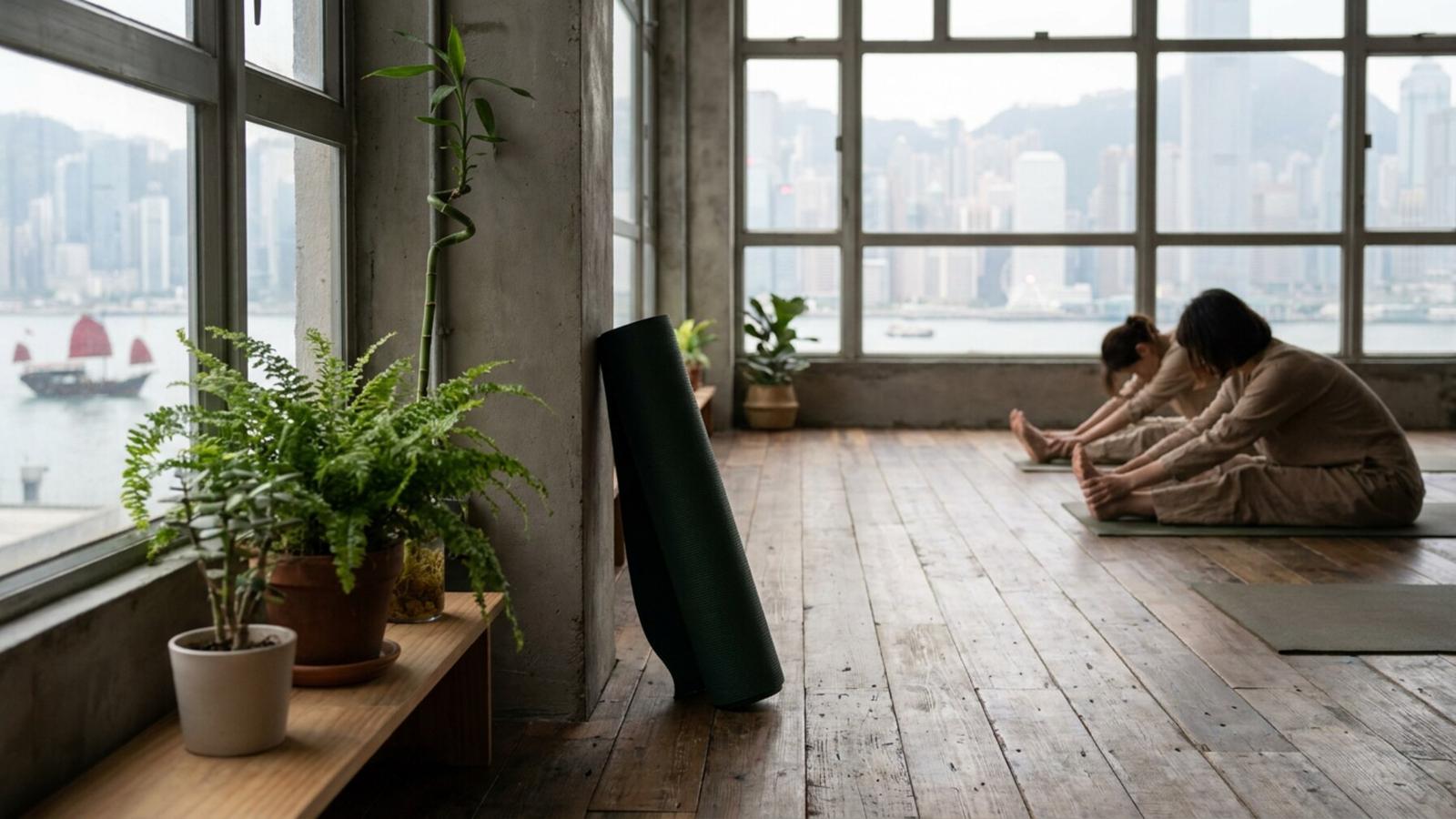
The number is worth sitting with: according to a 2025 survey by the Hong Kong Mental Morbidity Survey consortium, roughly one in seven adults in the city meets the clinical threshold for a common mental disorder, including anxiety and depression. That figure has held stubbornly elevated since the social disruptions of 2019 and the pandemic years that followed. Yet a growing body of evidence suggests the antidote is less dramatic than most people expect, no retreat to a Lantau monastery required.
Small, consistent psychological habits, practised daily and inside ordinary routines, are proving more durable than occasional big interventions. Behavioural researchers call this approach "micro-resilience": the accumulation of brief, low-barrier practices that shift the nervous system's default setting away from chronic alert. For a city where 7.5 million people pack into 1,106 square kilometres and the median commute on the MTR exceeds 45 minutes each way, the appeal is obvious. You can build resilience on the Tsuen Wan Line.
What the Evidence Actually Shows
A landmark meta-analysis published in JAMA Psychiatry in January 2026 pooled data from 39 randomised controlled trials and found that mindfulness-based practices conducted for as little as ten minutes a day produced statistically significant reductions in self-reported stress after eight weeks. Crucially, the effect size did not increase meaningfully for sessions longer than twenty minutes, which challenges the assumption that resilience-building demands large blocks of time. For Hong Kong professionals clocking an average of 50.1 working hours per week, the city ranked among the world's longest-hours labour markets in the International Labour Organization's 2024 global report, that threshold matters enormously.
Breathwork is getting particular attention. The physiological sigh, a double inhale through the nose followed by a long exhale, activates the parasympathetic nervous system within seconds. It costs nothing and can be done in a Central office lift. Sleep consistency is equally well-documented: going to bed and waking at the same time every day, even on weekends, reduces cortisol variability more than extending total sleep duration, according to research from Stanford's Center for Sleep Sciences published in March 2025.
Grounding the Habits in Hong Kong's Actual Geography
The city's infrastructure, counterintuitively, supports several of these habits well. The Hong Kong Trail, which runs 50 kilometres across Hong Kong Island from Victoria Peak to Tai Tam, offers green exposure within a 20-minute MTR ride from most urban districts. Neuroscience consistently links 20-minute nature walks to reduced activity in the prefrontal cortex region associated with rumination. The Dragon's Back hike in Shek O Country Park, accessible from the 9 bus terminus on Shek O Road, takes roughly 90 minutes return and costs nothing beyond the fare.
For those who prefer to stay closer to home, the Tai Chi morning sessions in Kowloon Park off Haiphong Road, Tsim Sha Tsui, are free and run seven days a week from 6 a.m. A 2023 systematic review in The Lancet Regional Health, Western Pacific confirmed that Tai Chi practice three times weekly reduced anxiety scores significantly over twelve weeks in urban populations. The Department of Health's Joyful@HK community mental wellness programme, operating through 61 clinics across all 18 districts, also offers free stress-management workshops and psychoeducation sessions, a resource that remains underused, particularly among the city's male workforce.
Social micro-habits matter too. Scheduling one face-to-face interaction per day outside of work, a ten-minute conversation with a neighbour in Sham Shui Po, a shared table at a cha chaan teng on Nathan Road, has measurable effects on loneliness scores, which the World Health Organization in 2025 identified as a primary driver of poor mental health outcomes globally.
The practical starting point is simpler than any wellness app suggests. Pick one habit. Do it tomorrow at a fixed time. Do it again the day after. Research published in European Journal of Social Psychology set habit formation at an average of 66 days, not the widely cited 21. That means someone who starts today in Wan Chai or Wong Tai Sin would have a functioning new neural groove by early September. Anyone wanting personalised guidance should contact a registered clinical psychologist or book a consultation through a Department of Health General Out-patient Clinic, where subsidised mental health referrals remain available across all districts for HK$50 per visit.