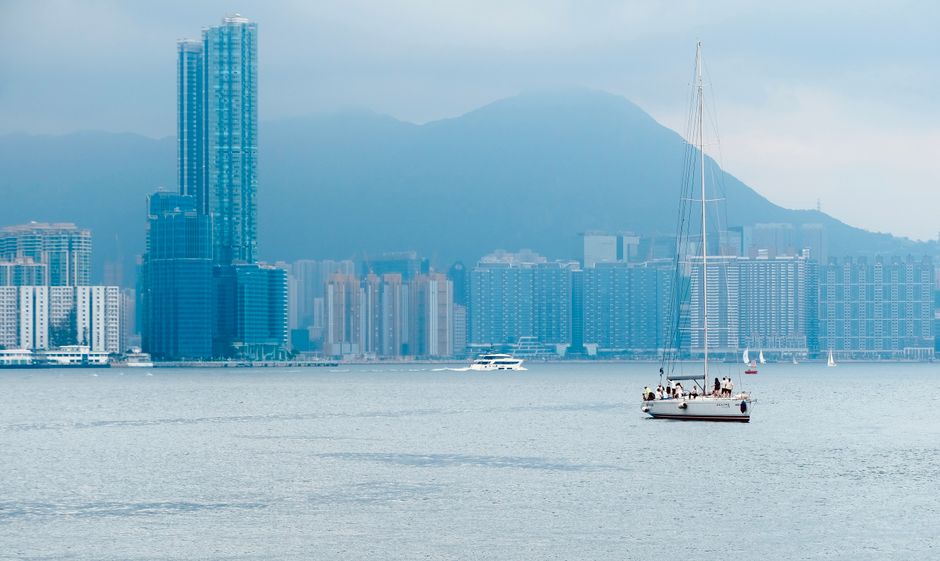
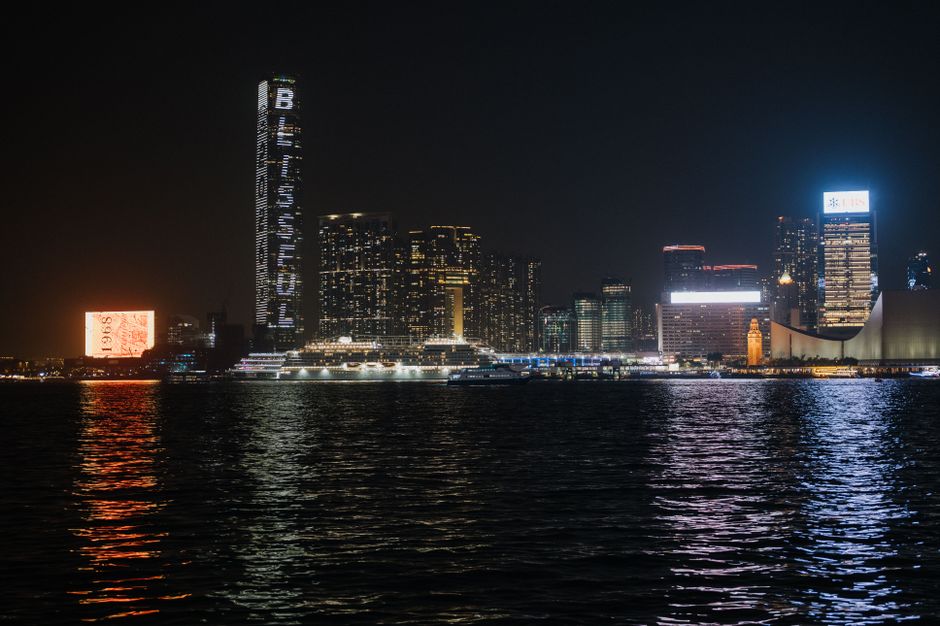
On a Tuesday morning at around 6:30 a.m., the stone benches along the Tsim Sha Tsui waterfront promenade are already occupied. A retired schoolteacher leads a group of twelve through the slow, deliberate arcs of Yang-style Tai Chi, the same routine she has held here every weekday for nine years. Nobody pays a membership fee. Nobody needs to book. The group simply arrives, breathes, and moves together as the harbour light shifts behind Kowloon Peak.
This is not a fringe habit. It is a snapshot of a broader transformation quietly reshaping how Hong Kong residents approach mental stress — and the timing matters. The city's Department of Health reported in its 2025 population health survey that roughly one in four adults in Hong Kong experienced significant psychological distress at some point during the preceding twelve months, a figure consistent with post-pandemic tracking data. With the cost of private therapy sessions sitting between HK$800 and HK$2,000 per hour in districts like Central and Wan Chai, the gap between clinical need and accessible care remains wide. Community-led, low-cost approaches are filling it.
Moving Through the City as Medicine
The Dragon's Back trail in Shek O Country Park has become something of an unofficial wellness corridor. On weekends, mental health peer-support groups organised through Mind HK, the city's most prominent English-language mental health charity, have used the 8.5-kilometre ridge walk as a structured outdoor session — combining moderate exertion with facilitated conversation. Mind HK's community programmes, which expanded in 2024 to include Cantonese-language peer support groups meeting in Kwun Tong and Sham Shui Po, logged over 3,400 individual participant engagements in the first half of 2025 alone.
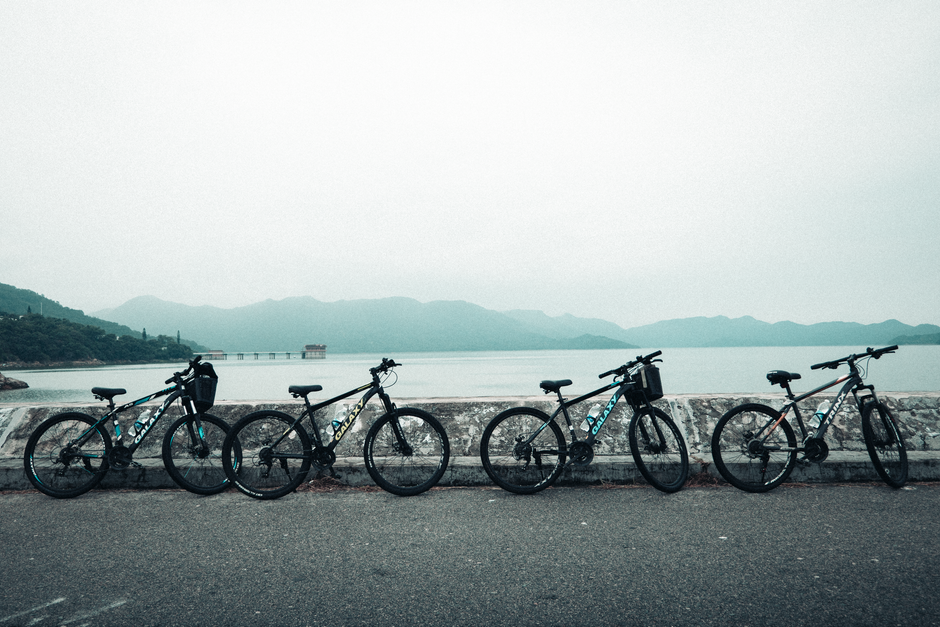
The MacLehose Trail, which cuts 100 kilometres across the New Territories from Pak Tam Chung in Sai Kung to Tuen Mun, draws a different cohort — endurance hikers who describe multi-stage completions not in fitness terms but in psychological ones. Regular participants speak of the trail's Stage 2 ascent over High Island Reservoir as a reliable reset for anxiety symptoms. The research backing this is increasingly robust: a 2024 meta-analysis published in the journal Environmental Health Perspectives found that two hours of weekly exposure to natural green or blue spaces was associated with a 28 percent reduction in self-reported anxiety scores across urban populations globally.
Hospitals and public clinics are catching up. The Hospital Authority's Child and Adolescent Psychiatric Service has piloted mindfulness-based stress reduction — an eight-week structured programme originally developed at the University of Massachusetts Medical School — at Queen Elizabeth Hospital in Yau Ma Tei since January 2025. Referrals from general outpatient clinics in Wong Tai Sin and Eastern District rose 40 percent in the first quarter of this year compared with the same period in 2024, according to Hospital Authority data released in May.
What Residents Are Actually Doing
Beyond institutional programmes, grassroots momentum is visible at the neighbourhood level. The Jockey Club Design Institute for Social Innovation at PolyU in Hung Hom has been running co-design workshops since mid-2025 where residents from Kowloon City map their own stress triggers and build peer accountability groups around simple daily practices — ten-minute breathing routines, scheduled phone-free hours, and shared evening walks through Kowloon Walled City Park.
For those starting from scratch, the Department of Health operates Integrated Community Centres for Mental Wellness across all eighteen districts, with walk-in counselling available at no cost. The centre in Yuen Long at Castle Peak Road, for instance, offers Cantonese-language group sessions on stress management every Thursday afternoon. Appointments are not always required.
The practical entry point is simpler than most residents assume. Mind HK's website lists peer support group schedules updated monthly. The MacLehose Trail's Stage 2 trailhead at Pak Tam Chung is accessible by green minibus route 7 from Sai Kung town centre. And those waterfront Tai Chi groups in Tsim Sha Tsui require nothing more than showing up before seven in the morning. Anyone experiencing persistent or severe symptoms should contact their nearest Department of Health general outpatient clinic or call the Samaritans Hong Kong 24-hour line on 2382 0000.