Wellness
Environmental Factors Disrupt Sleep for Hong Kong's Dense District Residents
Residents in dense districts report shorter rest periods when night-time heat, street lamps and traffic sounds combine after dark.
2 min read
Updated 19 min ago
Wellness
Residents in dense districts report shorter rest periods when night-time heat, street lamps and traffic sounds combine after dark.
2 min read
Updated 19 min ago
Survey data released last month by the Hong Kong Polytechnic University shows average nightly sleep among working adults in the city fell to 6.1 hours in 2025, with temperature, light and noise cited as the top three disruptors.
The findings arrive as the Department of Health expands its community wellness clinics and summer heat warnings become routine, pushing more people to seek practical steps for better rest before the next humid season peaks.
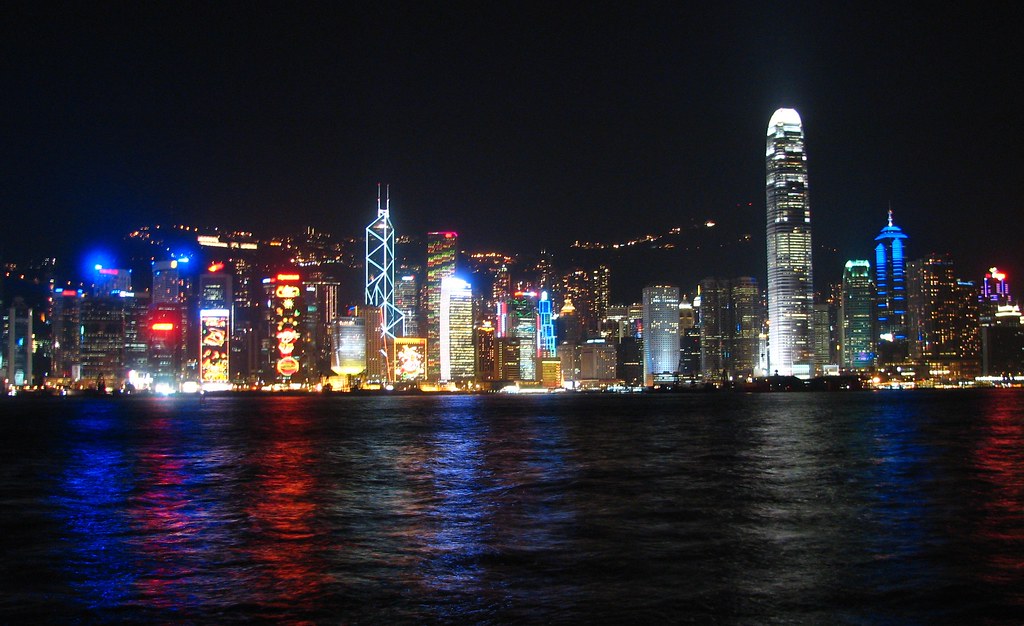
Walkers finishing the Dragon's Back trail in Shek O often notice how residual daylight lingers on the ridge until after 8 pm in July, while those heading home through Causeway Bay encounter constant neon and traffic glare that delays melatonin onset. Morning Tai Chi groups in Victoria Park start at 6.30 am, yet many participants say the same bright street lighting that aids their routine also keeps bedroom curtains lit long after midnight.
Environmental Protection Department monitors recorded average night-time noise at 72 decibels along Nathan Road in Mong Kok during April 2025, well above the 55-decibel threshold linked to fragmented sleep in local studies. At the same time, indoor temperatures in older Wan Chai walk-ups without air-conditioning stayed above 29 degrees Celsius until 2 am on 18 nights last summer, according to a University of Hong Kong housing audit.
Department of Health clinics in Central and Sham Shui Po have begun distributing simple sleep diaries to patients, recording how residents adjust ceiling fans and blackout blinds when noise from the MTR or late-night deliveries intrudes.
Clinicians at the Sham Shui Po site recommend setting bedroom thermostats to 24 degrees Celsius and using blackout roller blinds priced from HK$180 per window at local hardware stores. They also advise white-noise apps set at 40 decibels to mask street sounds, a step tested in follow-up visits scheduled two weeks after the first consultation.
Patients are told to keep evening walks on the MacLehose Trail sections near Tai Po before 7 pm so artificial light exposure drops before bedtime. Those who maintain the routine for 14 days report falling asleep 22 minutes earlier on average, according to clinic records reviewed in June.
Anyone experiencing persistent sleep loss is directed to book a free assessment at any Department of Health clinic rather than relying on over-the-counter remedies alone.
About this article
Published by The Daily Hong Kong
Spread the word
Daily brief
Free, in your inbox before 7am. Weekdays.
Before you go
The day's Hong Kong news in a 2-minute read. Free, weekday mornings.