The world, explained for Australia.
The World
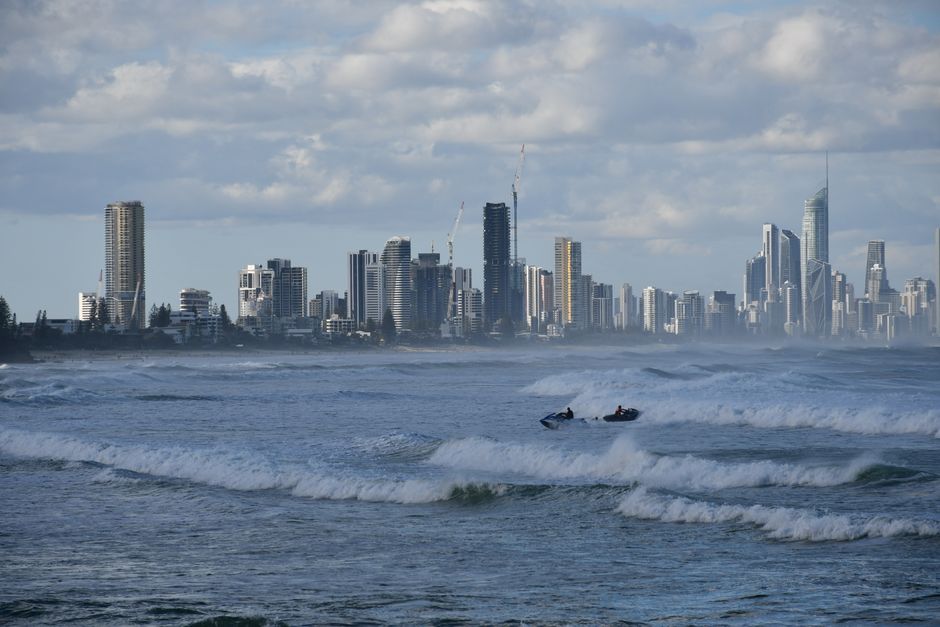
Vast rivers of water circle the Earth, carrying heat and cold across thousands of kilometres. Understanding these currents helps explain Australia's weather, food supply, and place in a warming world.
By The Daily World · 1 July 2026
The World
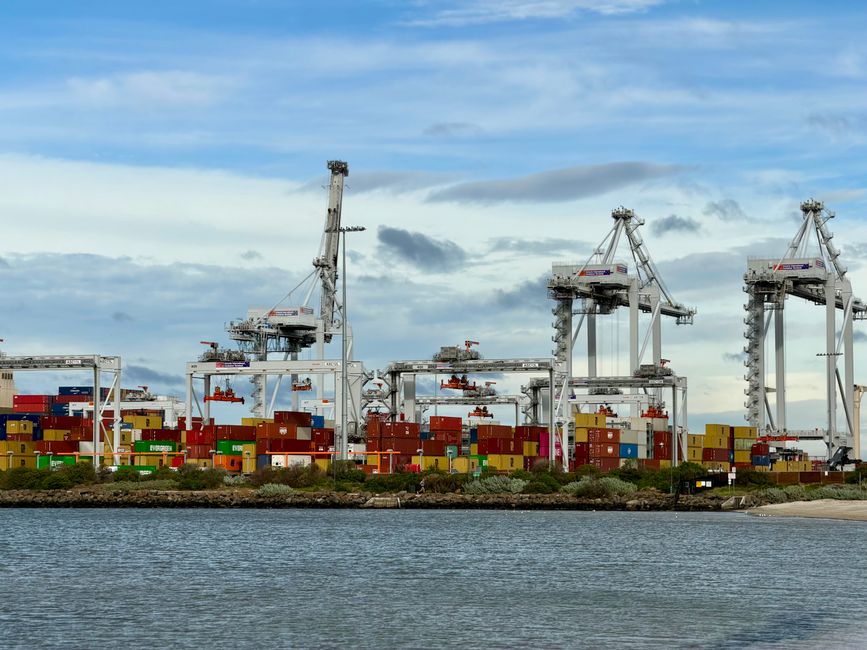
Cobalt is essential to rechargeable batteries that power electric vehicles and renewable energy storage. Australia wants to process more of it, but the supply chain is concentrated in unstable regions and dominated by one nation.
By The Daily World · 1 July 2026
The World
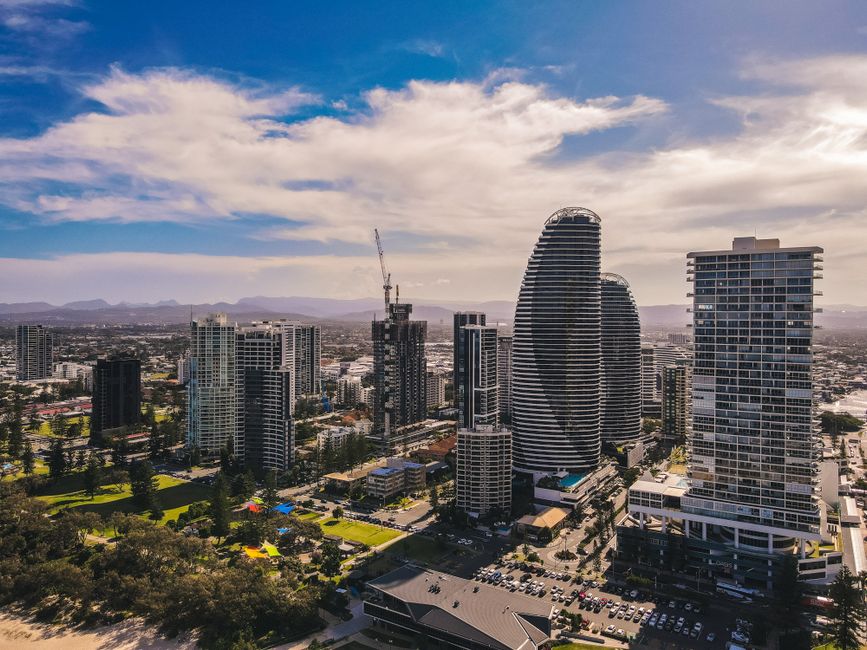
Geothermal power taps into Earth's internal heat to generate reliable electricity. Australia has vast untapped potential, but the technology and investment are only now reaching critical mass.
By The Daily World · 1 July 2026
The World
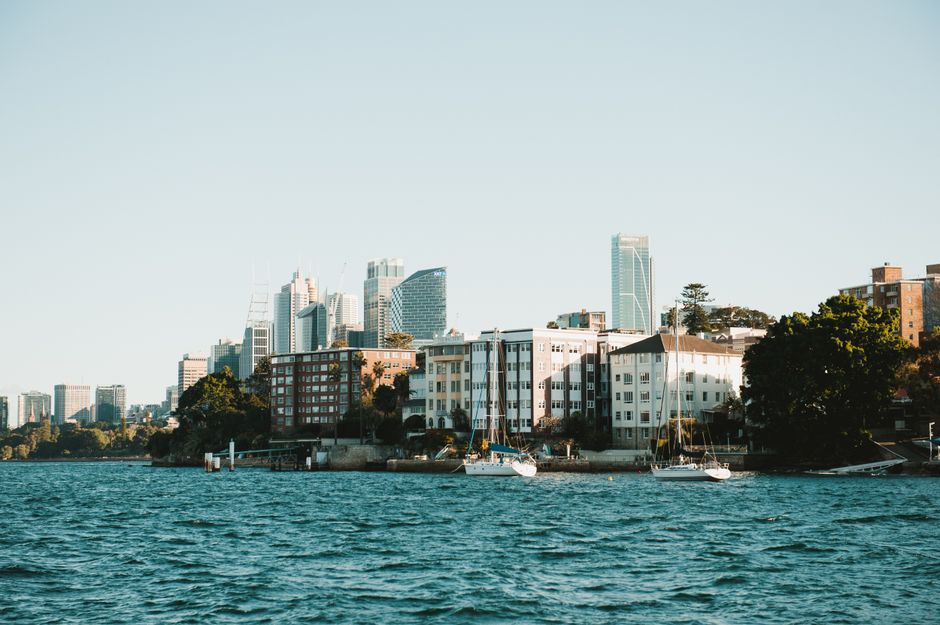
Australia produces more than a third of the world's iron ore. Understanding how this commodity flows from Australian mines to steel mills across Asia tells you why the nation's economic fortunes are tied to global construction, infrastructure and manufacturing.
By The Daily World · 1 July 2026
The World
Australia produces a quarter of the world's wool. Understanding how this ancient fibre moves from paddock to runway explains why global demand, chemical prices, and climate all affect Australian farmers.
By The Daily World · 1 July 2026
The World
Australia imports crucial fertilisers as global supply chains face disruption. Learn how nitrogen, phosphorus, and potassium shortages directly impact your grocery bills and food security.
By The Daily World · 1 July 2026
The World
Copper is the circulatory system of modern civilisation. Australia is the world's second-largest producer, but price swings and geopolitical tension mean the metal's fate ripples into Australian wages, investment, and living costs.
By The Daily World · 1 July 2026
The World
Potassium is invisible on your dinner plate but essential to global food. Australia imports nearly all of it from a handful of countries, making farmers vulnerable to supply shocks thousands of kilometres away.
By The Daily World · 1 July 2026
The World
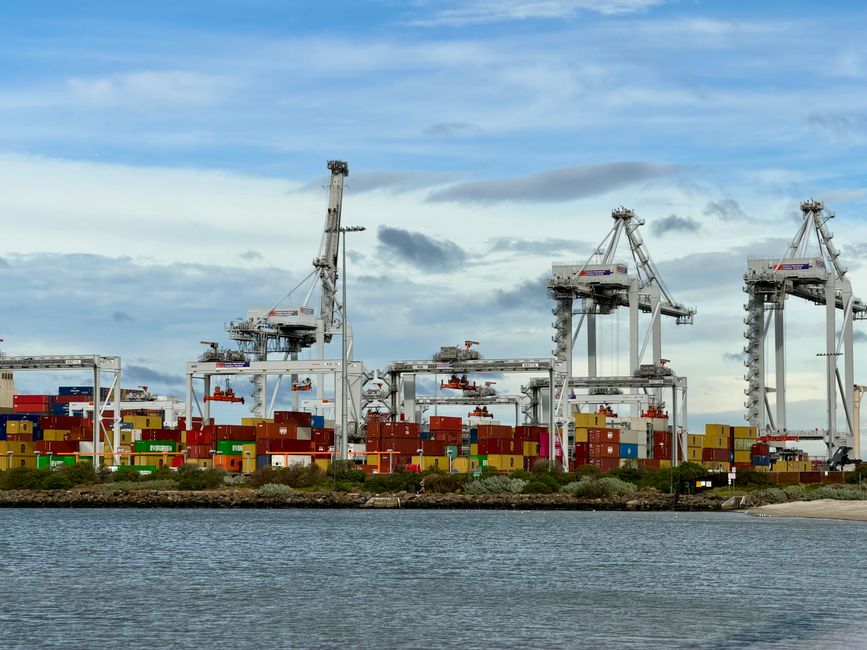
Australia mines more lithium than anywhere on Earth, but sends it abroad to be refined. A global race to control battery materials is reshaping where the real value ends up.
By The Daily World · 1 July 2026
The World
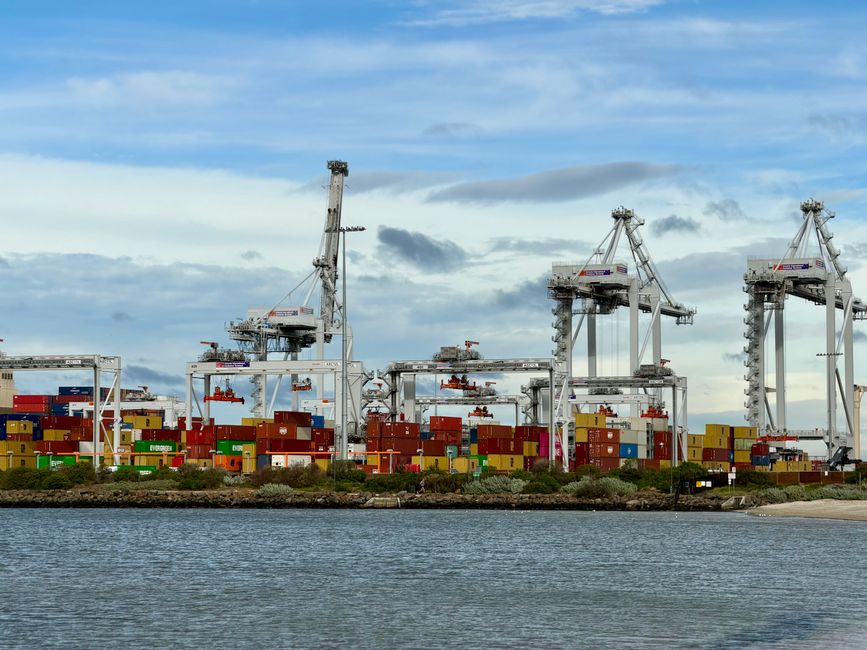
Sugar is one of the world's most traded commodities. Understanding how it moves from cane fields to your kitchen helps explain why prices swing, why Australia matters, and how global weather and policy shape what you pay.
By The Daily World · 1 July 2026
The World
When the US Federal Reserve, European Central Bank and other major central banks change rates, the effects reach Australian mortgages, grocery bills and petrol pumps within months.
By The Daily World · 1 July 2026
The World
Wheat feeds the world, but its price swings wildly. Here's how distant droughts, export wars, and a handful of major suppliers affect what you pay for a loaf.
By The Daily World · 1 July 2026
The World
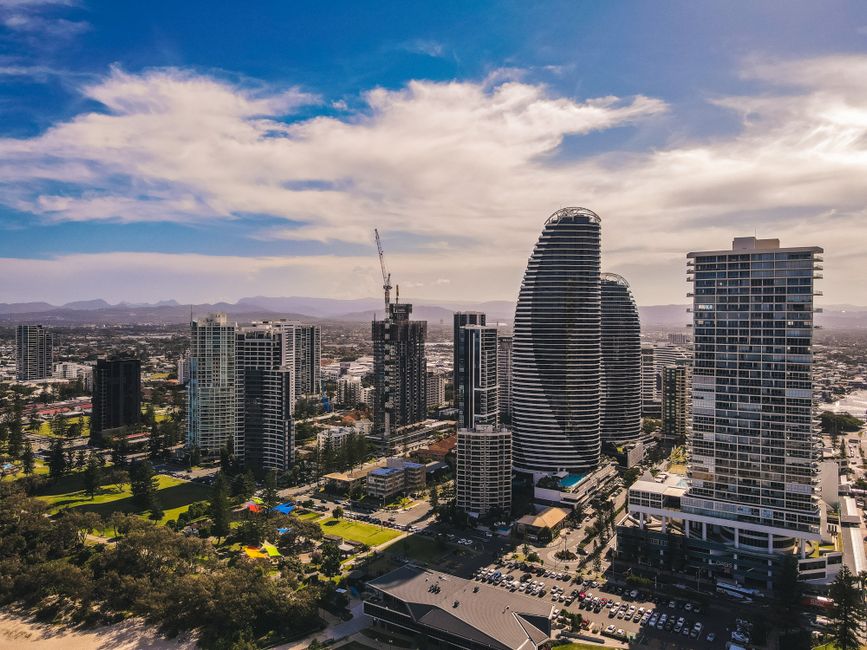
Australia produces one-third of the world's bauxite, but smelting it abroad shapes everything from aircraft to phone frames. Here's how a metal became critical to the global economy.
By The Daily World · 1 July 2026
The World
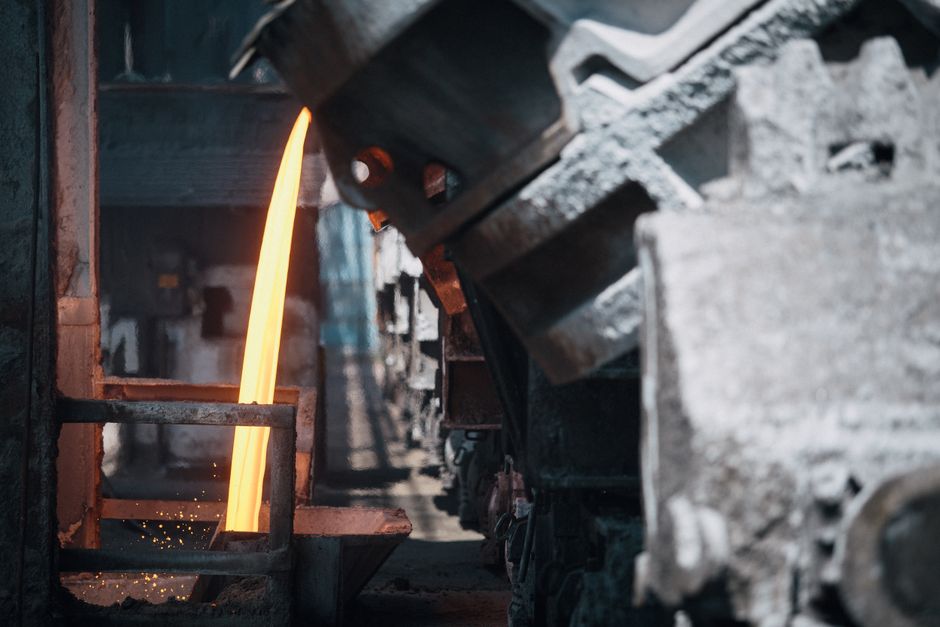
Tin is everywhere in modern life, from smartphones to solder. Australia mines it, but smelts almost none. Understanding this gap reveals a pattern in how the world's supply chains work.
By The Daily World · 1 July 2026
The World
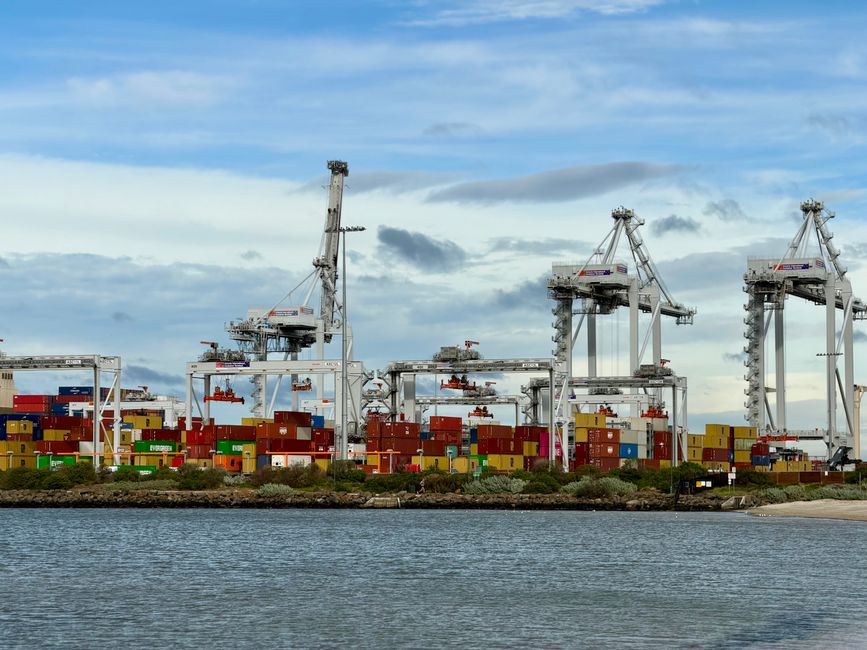
Plastic production has tripled in 40 years. Australia imports tonnes of waste it can't process, while the world struggles to stop the leak into oceans and landfill.
By The Daily World · 1 July 2026
The World
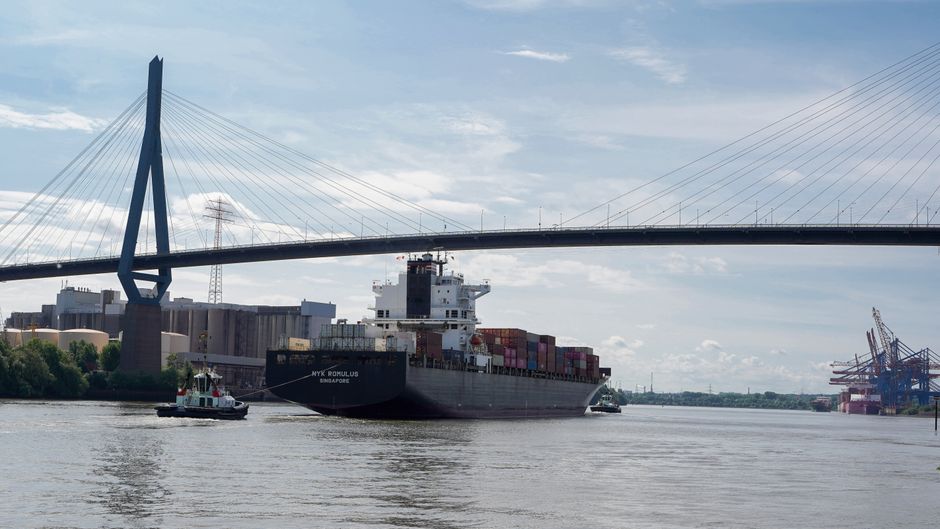
China dominates refining, but Australia holds the ore. Understanding this bottleneck explains why the world's clean energy transition depends on geopolitical stability thousands of kilometres away.
By The Daily World · 1 July 2026
The World
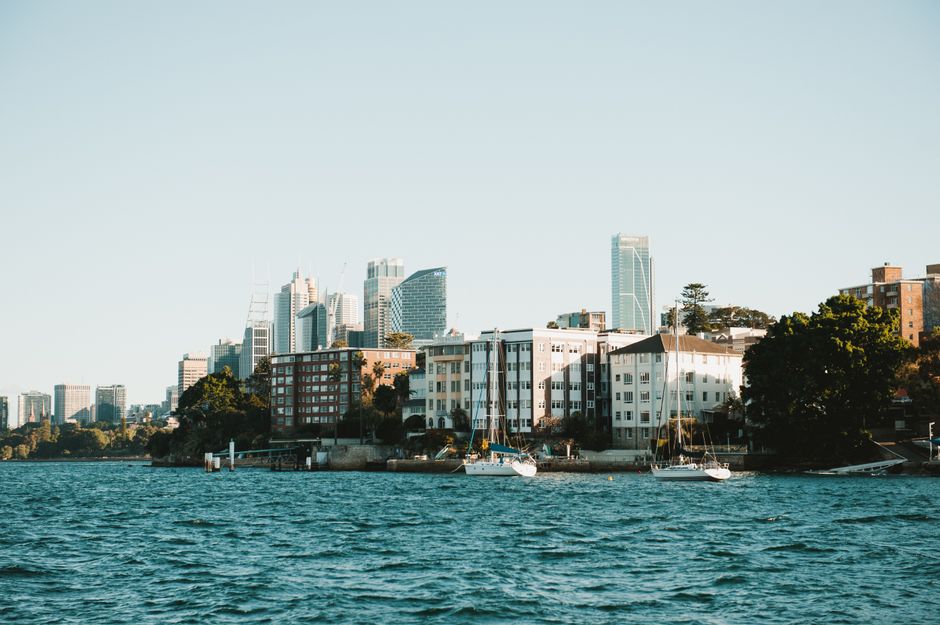
Nickel is essential for the world's battery revolution, but the market is volatile, concentrated, and increasingly shaped by geopolitics.
By The Daily World · 1 July 2026
The World
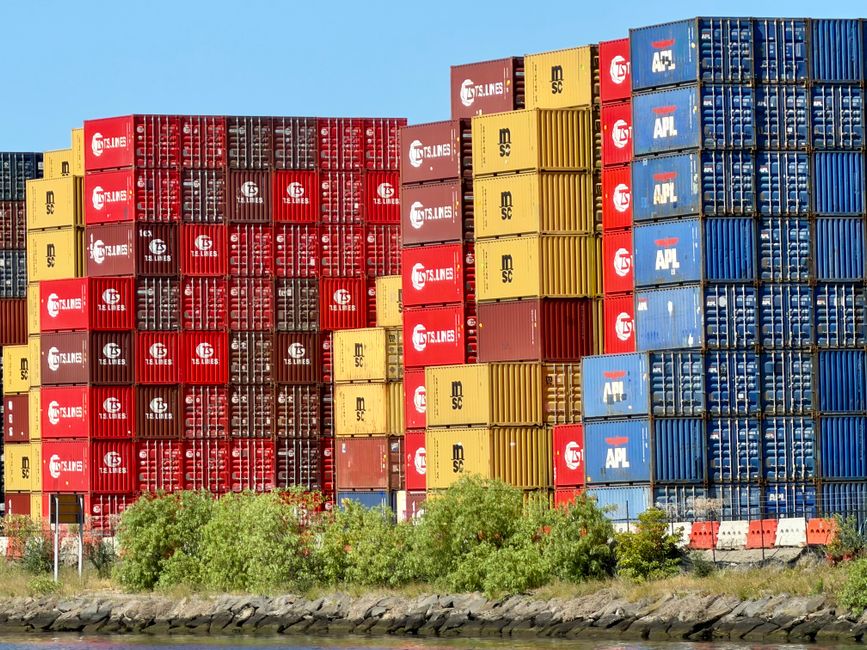
Twenty-foot boxes move 90 per cent of Australia's trade. When the global container network jams, everything from your groceries to your car slows down.
By The Daily World · 1 July 2026