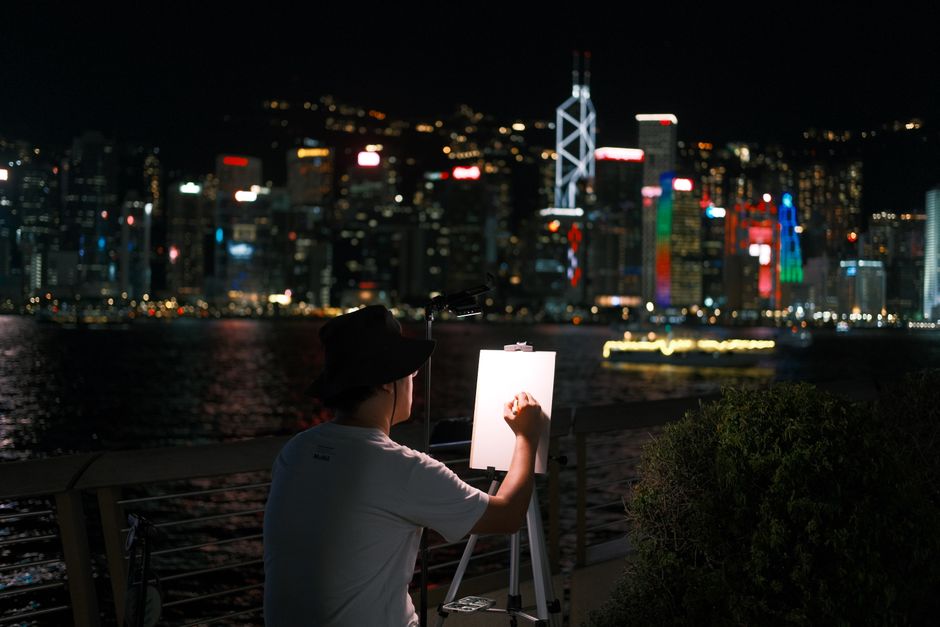
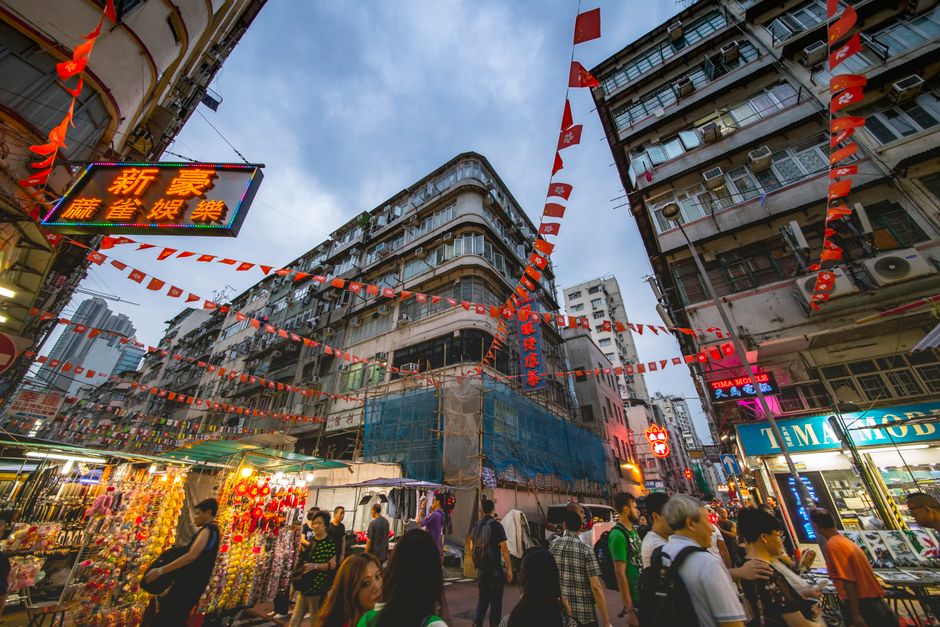
Walk through Wan Chai on any evening and you'll find yourself surrounded by ghosts of Hong Kong's theatrical past. Where the old Capitol Theatre once stood on Queen's Road East, audiences packed in to watch Peking opera and Cantonese drama. Today, the skyline tells a different story—one of evolution rather than erasure.
The Hong Kong arts scene of the 1950s and 60s was dominated by traditional forms. Cantonese opera flourished in neighbourhood playhouses across Mong Kok and Causeway Bay, drawing working-class audiences who could afford the modest ticket prices. The Academy for Performing Arts, founded in 1984 in Wanchai, would later anchor the territory's institutional pivot toward Western classical forms alongside Asian traditions—a duality that remains central to Hong Kong's cultural identity today.
The 1990s marked acceleration. The Hong Kong Cultural Centre, opened in 1989 near the Star Ferry in Tsim Sha Tsui, became the flagship venue, hosting international ballet companies and orchestras. Meanwhile, smaller independent theatres began proliferating—black boxes in Soho's converted warehouse spaces, experimental performance art in underground venues. The Fringe Club, established in 1984, became synonymous with avant-garde theatre and remains a incubator for local artists pushing boundaries.
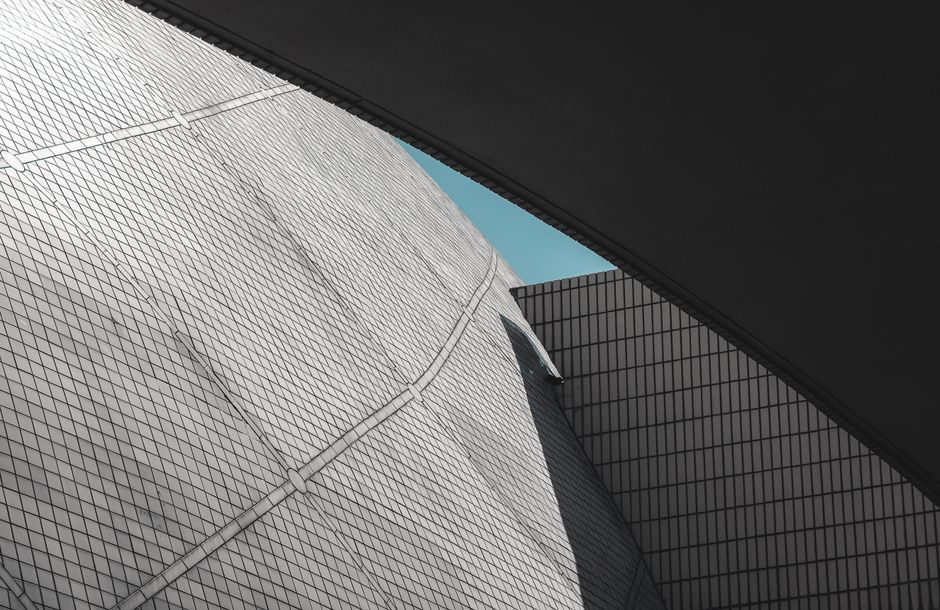
By the 2010s, the ecosystem had matured significantly. The Xiqu Centre opened in 2019 in West Kowloon, a $437 million facility dedicated exclusively to traditional Chinese performance arts—a striking affirmation of heritage even as the city embraced global contemporary forms. Simultaneously, smaller venues like the Tak Shun Theatre in Sham Shui Po and independent performance spaces in Wong Chuk Hang became vital arteries for experimental work and emerging talent.
Today's Hong Kong theatre landscape reflects economic and cultural paradoxes. Ticket prices range from $80 for experimental fringe productions to $500+ for international touring productions at major venues. Attendance remains robust—the West Kowloon Cultural District drew over 12 million visitors in 2025—yet local artists often grapple with production costs and finding sustainable careers.
The pandemic accelerated digital experimentation. Streaming performances, hybrid events, and virtual reality theatre became normalised, creating new distribution channels even as live attendance rebounded. Young practitioners now navigate between TikTok performance art and traditional stage craft, between Cantopop concerts and devised theatre.
What distinguishes Hong Kong's trajectory is refusal of false choices. The territory hasn't abandoned Cantonese opera for Broadway imports, nor rejected innovation for nostalgia. Instead, it has constructed a genuinely plural ecosystem—one where Peking opera masters mentor young experimentalists, where global touring productions share programming with local independent theatre, and where the city's historic playhouses inform entirely new artistic possibilities.
This article was compiled by AI from the sources linked above and screened before publishing. See our editorial standards.