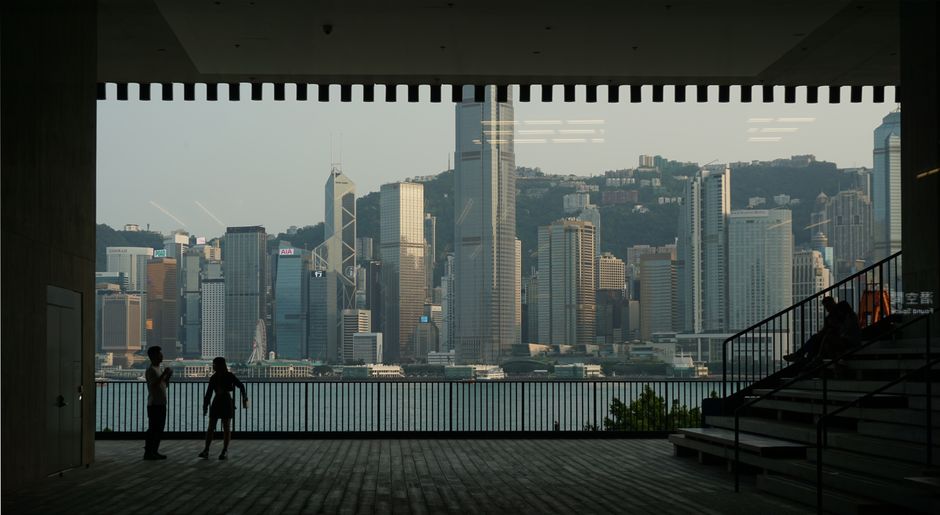
Walk through Central on a Friday evening and you'll notice something shifting in Hong Kong's cultural pulse. The Art Basel After Dark parties that once dominated the calendar have given way to a more eclectic constellation of events: underground film screenings in Sheung Wan lofts, experimental theatre productions in Kowloon Tong, and increasingly ambitious homegrown music festivals that rival those in London or Tokyo.
This transformation isn't accidental. Over the past three years, Hong Kong's festival and events calendar has become the primary vehicle through which the city is actively reclaiming—and redefining—its creative identity. The numbers tell part of the story: the Hong Kong Arts Festival attracts over 100,000 attendees annually, while newer platforms like the Clockenflap music festival (which attracts approximately 30,000 visitors to Central Harbourfront) has become a barometer of the city's independent music scene and youth cultural confidence.
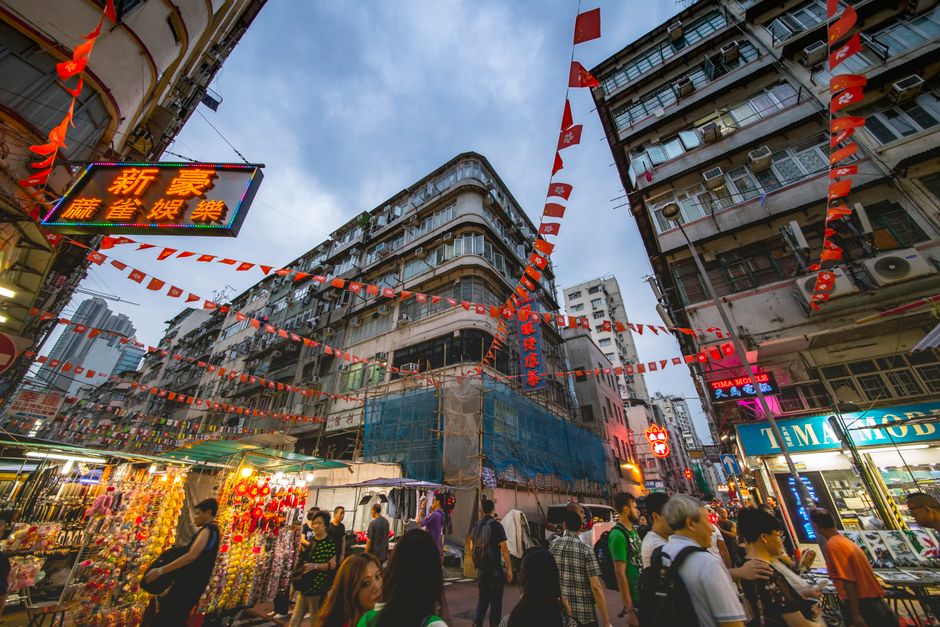
What's particularly significant is the geographic democratisation of culture beyond the Central-Wan Chai corridor. The Summer Lighting Festival in Mong Kok, the emerging street art events in Sham Shui Po's industrial quarters, and the proliferation of neighbourhood-scale creative markets suggest Hong Kong is consciously developing multiple cultural districts rather than concentrating prestige events in predictable luxury venues. The Freespace at the West Kowloon Cultural District has become a symbol of this shift—intentionally designed without assigned seating or hierarchical sightlines, it facilitates experimental work that might not survive traditional theatre economics.
Local independent venues like Grappa's Cellar in Lan Kwai Fong and the Live Café scene scattered across Causeway Bay have also evolved beyond their function as entertainment outlets. They've become deliberate cultural markers, spaces where Hong Kong artists—musicians, comedians, performers—test ideas before reaching broader audiences. The proliferation of these grassroots events suggests the city is asking itself: what does Hong Kong culture look like when it's not being packaged for external validation?
The economic implications matter too. The events and festivals sector employs thousands directly and tens of thousands indirectly through hospitality, production, and creative services. But beyond economics, these gatherings function as a collective assertion: that Hong Kong's identity extends far beyond its role as a financial hub or shopping destination.
As the city navigates complex geopolitical realities, its festival calendar has become something unexpected—a canvas where Hong Kong citizens articulate who they believe themselves to be, creatively and collectively. In festivals, the city finds voice.
This article was compiled by AI and screened before publishing. See our editorial standards.