Walk through the narrow corridors of PMQ on Aberdeen Street these days, and you'll encounter a markedly different energy than the heritage photography galleries and homewares studios that once dominated the old Police Married Quarters. Fashion is reclaiming the space—not the polished, big-name collaborations that punctuate Causeway Bay's calendar, but the scrappy, experimental work of designers still building their names from studio floors and pop-up stalls.
This shift signals something larger happening in Hong Kong's creative economy. While the city's luxury retail sector remains robust—generating over HK$140 billion annually—an increasingly visible cohort of independent designers are carving alternative paths. Many have turned to Sham Shui Po, where affordable studio rents on Apliu Street and Ki Lung Street now house textile experimenters and pattern-cutters who might have relocated to Shanghai or Shenzhen a decade ago.
The evidence is tangible. The number of fashion-focused tenants at PMQ has tripled since 2023, according to the venue's operators. Meanwhile, independent fashion events like Aesir Fashion Market, held quarterly at venues across Sheung Wan and Wan Chai, now attract over 3,000 visitors per session—a figure that has grown 45 percent year-on-year. Meanwhile, applications to the Hong Kong Arts Centre's fashion mentorship programmes have surged.
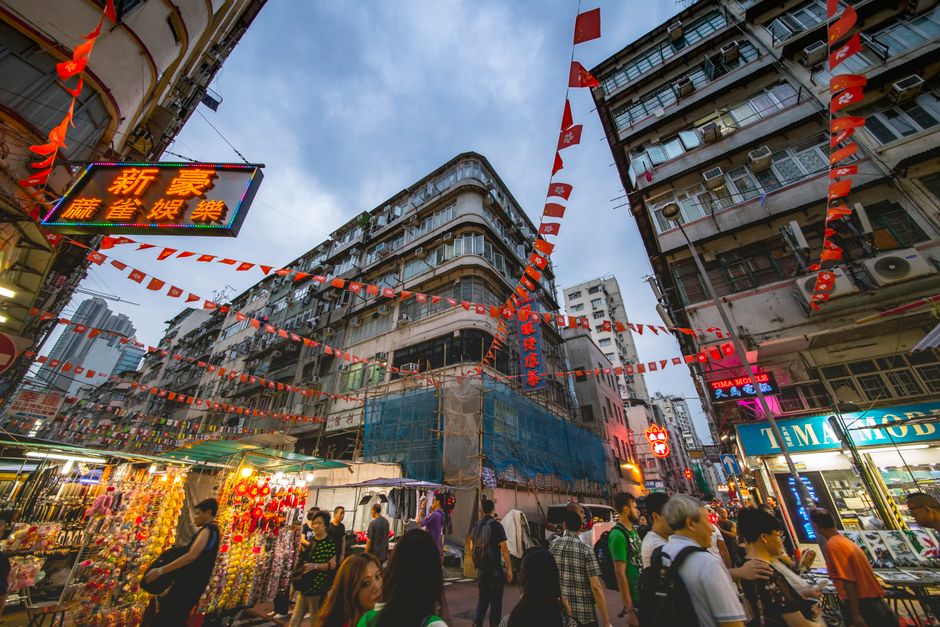
What distinguishes this wave isn't merely aesthetic restlessness, though that's certainly present. It's a deliberate turn toward hyperlocal storytelling—work that mines Hong Kong's specific visual languages: the typography of old neon signs, the geometry of mid-rise residential architecture, the colour palettes of dai pai dong stalls. Where previous generations of Hong Kong designers often referenced European heritage houses or Asian design canons, emerging creators are excavating their immediate surroundings.
This isn't happening in isolation from the city's broader creative ecology. The success of local designers at international platforms—including submissions to London Fashion Week and Tokyo Fashion Week—has legitimised the regional project. Equally, social media has democratised visibility in ways that bypass traditional gatekeepers; a striking Instagram post from a Sham Shui Po studio can now reach buyers in New York and Copenhagen as readily as in Admiralty.
The economic model remains precarious. Production costs, though lower than London or New York, still present barriers; a small collection of 50 pieces typically requires HK$80,000 to HK$150,000 in initial investment. Yet rising rents across traditional retail corridors have paradoxically freed younger designers from expectations of flagship presences, allowing them to focus on the work itself.
For a city that has long positioned itself as a global fashion capital through consumption rather than creation, this generational pivot carries genuine significance. Hong Kong's next creative chapter may not be written on Des Voeux Road, but in the studios of Sham Shui Po.
This article was compiled by AI and screened before publishing. See our editorial standards.