Walk down the narrow lanes behind Cat Street in Sheung Wan on any given Saturday, and you'll encounter something Hong Kong's traditional art world rarely celebrates: raw, unfiltered creative expression bleeding across brick and metal. The city's street art renaissance isn't happening in galleries charging HK$200 admission fees—it's happening in the margins, where emerging artists are claiming public space as their studio.
The transformation has accelerated dramatically over the past 18 months. Fotan's industrial warehouses, long favored by established collectives, now share territory with solo practitioners under 30 who are experimenting with everything from hyperlocal imagery to augmented reality installations. Unlike their predecessors who operated largely under the radar, this cohort is deliberately building community through social platforms while maintaining the rebellious spirit that defines the medium.
"The gatekeeping is disappearing," says the Fotan Creative District Initiative, which has documented over 140 active street artists across Hong Kong's designated zones. Where once street art occupied a grey legal space, a growing number of property owners and district councils now actively commission emerging creators, legitimizing the practice while preserving its aesthetic edge. Monthly footfall in Fotan's art precinct reached 47,000 visitors in March 2026—a 34 percent increase year-on-year.
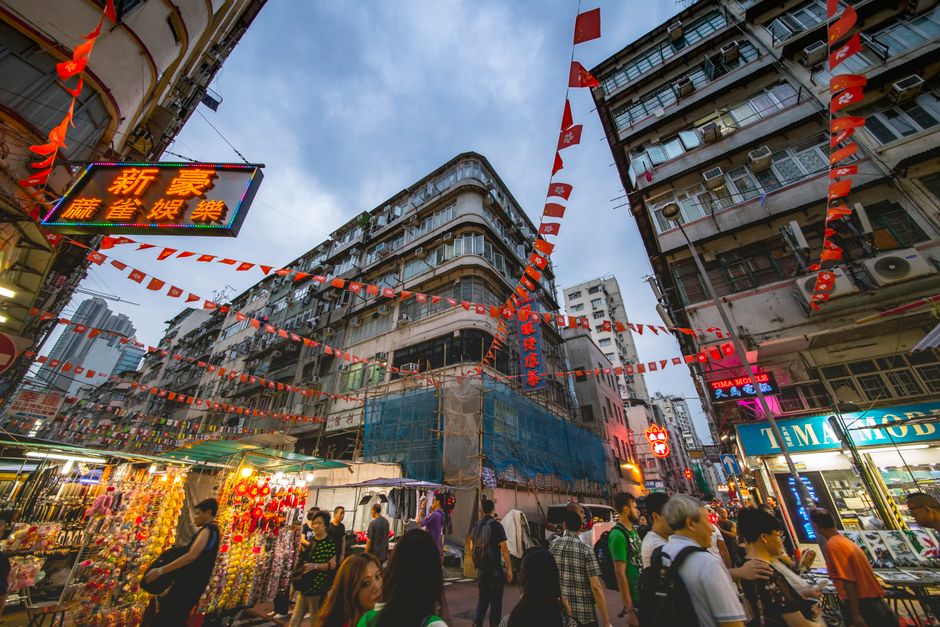
What distinguishes this wave? Hyper-locality. Rather than importing global street art aesthetics, emerging artists are obsessing over Hong Kong's specific visual language: the fading neon signs of Mong Kok, the bamboo scaffolding that defines our skyline, the Cantonese colloquialisms that older residents are watching fade. One artist working anonymously across Central and Wan Chai has spent months documenting endangered dai pai dong signage before translating them into massive murals—a form of cultural preservation wrapped in spray paint.
The economic reality matters too. As traditional studio rents climb above HK$80 per square foot, the street has become genuine workspace. Several emerging creators have leveraged their street visibility into commercial commissions—design agencies, restaurants, and even luxury brands now actively scout social media hashtags like #HKWallArt and #FotanCreative for collaborations.
Yet tensions simmer beneath the surface. Rapid commercialization threatens the authenticity that attracted many to street art initially. As more emerging artists pursue licensing deals and Instagram sponsorships, questions linger: When does street art become simply decorated advertising? Where's the line between expression and exploitation?
What remains undeniable: Hong Kong's street art conversation has fundamentally shifted. The emerging voices speaking today aren't asking permission—they're reshaping what public art means in a densely packed, fiercely competitive city.
This article was compiled by AI from the sources linked above and screened before publishing. See our editorial standards.