Hong Kong's restaurant and bar landscape continues to evolve with breathtaking speed. Whether you're chasing Michelin stars, hunting for authentic street food, or seeking the city's latest cocktail innovation, the dining scene remains as competitive and rewarding as ever.
The traditional dai pai dong continues its quiet renaissance. Venues like those clustered around the Cooked Food Centre on Des Voeux Road Central still serve breakfast sets for HK$35-50, drawing office workers and tourists alike. But these aren't museum pieces—many have modernised their menus while retaining the frenetic energy that makes them essential Hong Kong experiences. Expect queues, shared tables, and the unmistakable sizzle of woks working at maximum temperature.
Michelin recognition remains a major cultural marker. Wong Chuk Hang's restaurant corridor—once industrial wasteland—now houses establishments across the price spectrum. One-star venues sit alongside experimental fine-dining spaces, many offering tasting menus between HK$800-1,200. The neighbourhood's transformation represents broader city-wide trends: older industrial zones becoming creative hubs, with chefs experimenting across cuisines.
Cocktail culture has matured considerably. Wan Chai and Lan Kwai Fong remain traditional epicentres, but newer bars in Sheung Wan and Central have shifted focus toward precision and story-telling over flash. Many establishments now feature house-made spirits and bitters, reflecting a sophistication absent from earlier decades. Expect to pay HK$80-120 for quality cocktails at established venues.
The casual dining sector—particularly Korean, Thai, and Japanese—remains phenomenally popular with younger demographics. Causeway Bay's Japanese restaurants operate with manufacturing-line efficiency, while the explosion of Korean barbecue spots indicates sustained demand for interactive, social dining experiences priced between HK$150-300 per person.
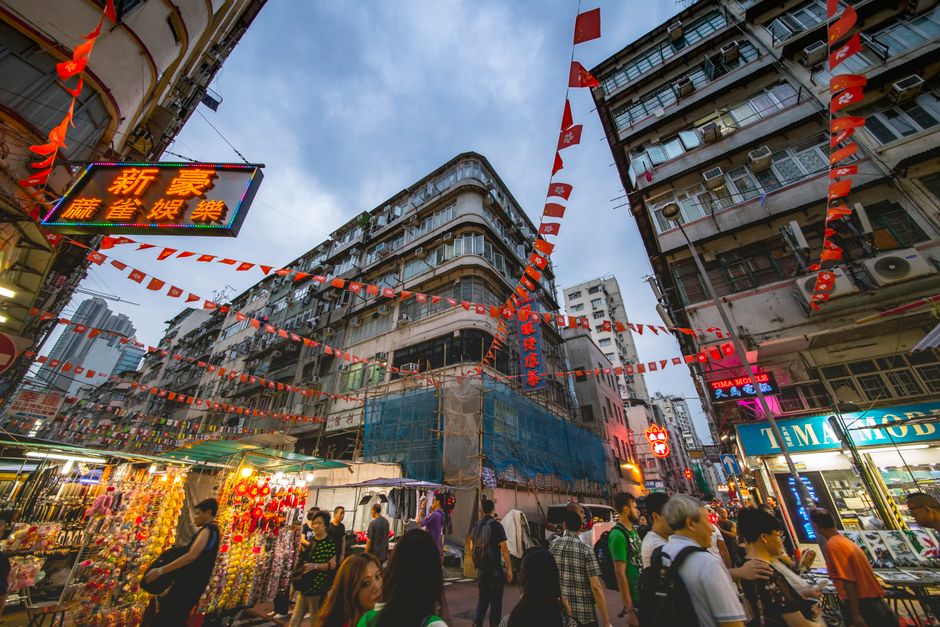
Regional Chinese cuisines continue gaining momentum. Sichuan and Hunan restaurants have multiplied across Mong Kok and Sham Shui Po, offering authentic experiences at modest prices. The revival of these cuisines reflects both migration patterns and changing palates among Hong Kong diners increasingly confident in exploring their own culinary heritage.
For tourists and locals seeking guidance, the Michelin Guide, published annually, remains influential but shouldn't be your only compass. Local food bloggers, neighbourhood forums, and word-of-mouth recommendations often uncover exceptional venues operating below the international radar. The best Hong Kong dining experiences still happen in spaces where locals outnumber visitors, where Cantonese is the dominant language, and where authenticity matters more than Instagram potential.
Planning your next meal? Start with your neighbourhood's dai pai dong, explore one Michelin-starred restaurant, then venture into a traditional wet market restaurant—that's Hong Kong dining in 2026.
This article was compiled by AI from the sources linked above and screened before publishing. See our editorial standards.