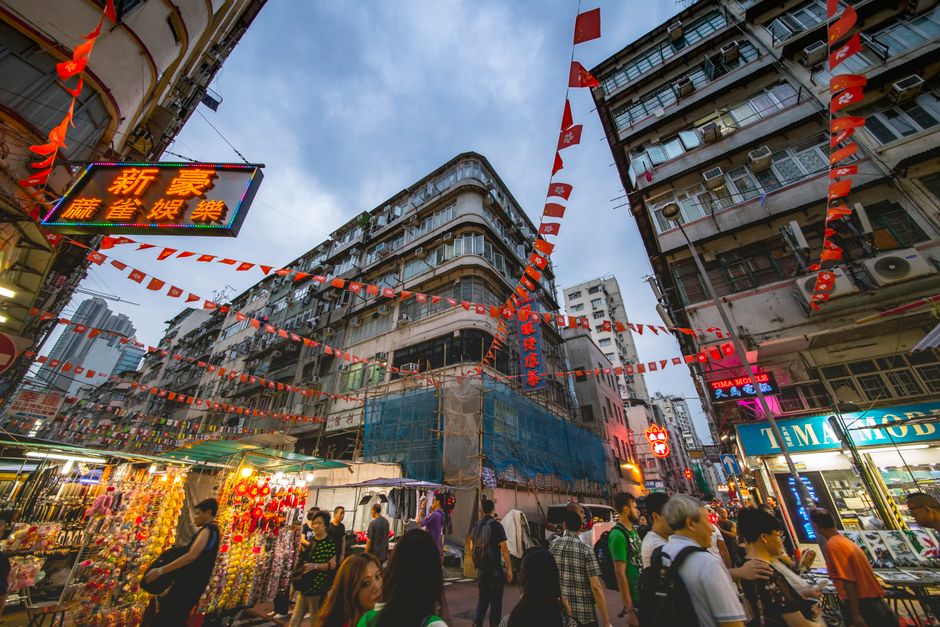
Walk through the narrow laneways of Sham Shui Po on a Saturday afternoon and you'll encounter something that felt impossible a decade ago: Hong Kong fashion that doesn't bow to international luxury houses. Pop-up studios spill onto Pei Ho Street, where designers like those clustered around the neighbourhood's textile warehouses are experimenting with zero-waste production and heritage fabrics. It's become the unlikely epicentre of a creative movement that's fundamentally rewriting what Hong Kong fashion means.
The shift reflects broader restlessness among the city's younger creative class. According to the Hong Kong Design Centre's 2025 survey, over 64% of designers aged 25-40 now prioritise independent or collective practice over corporate positions—a figure that has nearly doubled since 2020. Monthly rents for studio spaces in Sham Shui Po have stabilised around HK$8,000-12,000 per unit, making it accessible for emerging practitioners who would be priced out of Central or Causeway Bay.
This democratisation of creative space has catalysed unprecedented collaboration. Collectives like those operating from converted industrial units in Cheung Sha Wan have begun hosting monthly design markets and workshops, attracting not just local talent but international emerging designers seeking community over competition. The Central District's PMQ (Project Margin Quarterly), historically a craft hub, has increasingly become a testing ground for sustainable fashion initiatives, with designers experimenting with deadstock fabrics and circular economy models.
What distinguishes this movement from previous cycles of Hong Kong creative energy is its deliberate rejection of the showcase-to-market pipeline that characterised the 2000s. Instead of designing for seasonal collections aimed at luxury conglomerates, this generation operates through direct consumer engagement—Instagram drops, pop-ups in neighbourhood venues, and small-batch production that tells stories rooted in specific places and communities.
The numbers tell their own story. The Hong Kong Fashion Foundation reported that independent designer labels generated HK$340 million in revenue in 2024, up 31% from 2022. More significantly, approximately 78% of sales now occur through direct-to-consumer channels rather than traditional wholesale networks.
Yet this movement exists within Hong Kong's larger identity question. As younger residents grapple with the city's evolving role in geopolitics and economics, fashion has become a quiet language of agency—a space where local creative voice can flourish without necessarily conforming to mainland or Western expectations. In Sham Shui Po's textile alleys and PMQ's studio corridors, Hong Kong's fashion community isn't simply making clothes. It's constructing a genuinely local cultural narrative, one stitch at a time.
This article was compiled by AI from the sources linked above and screened before publishing. See our editorial standards.