Walk down Cat Street in Sheung Wan on a Saturday afternoon, and you'll encounter a living paradox: antique shops hawking vintage posters alongside modern cafés, colonial-era shutters framing contemporary art installations. This collision of old and new didn't happen by accident. It's the result of decades of work by a relatively small group of individuals who refused to let Hong Kong's cultural narrative be bulldozed into oblivion.
The turning point came in the early 2000s, when developers eyed Central's mid-rise buildings as prime real estate. Organisations like the Conservancy Association and Heritage Hong Kong Foundation emerged from the grassroots, staffed largely by volunteers earning no salary. Their work expanded beyond documentation—they became activists, educators, and custodians of collective memory.
Consider the Tai Kwun Centre for Heritage and Arts, which opened in 2019 after a painstaking restoration of the former Central Police Station complex. The project cost HK$2.3 billion and took nearly a decade. More significantly, it required architects, historians, and community members to argue, negotiate, and occasionally lose battles to preserve what remained. The site now attracts over 1.2 million visitors annually, proof that heritage tourism has become economically viable in a city perpetually chasing the next development.
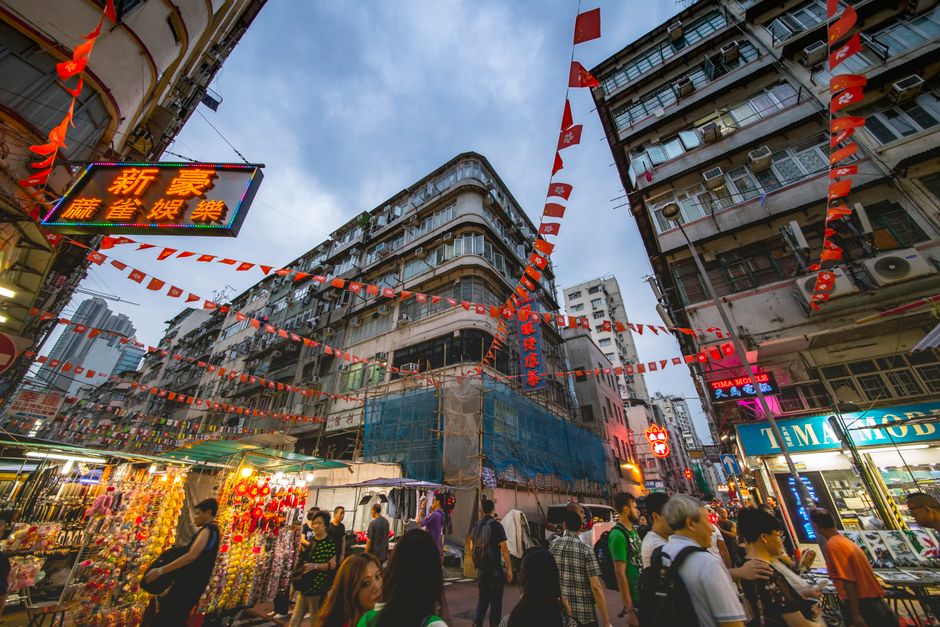
Yet not every victory is celebrated. The demolition of the 1950s tong lau buildings in Mong Kok last year sparked protests that barely made international headlines. Local heritage enthusiasts documented the structures photographically and digitally—a form of resistance that has become standard practice as preservation battles grow more routine.
The people driving this scene—academics like those at University of Hong Kong's Centre of Asian Studies, independent curators, retired architects—typically earn modest incomes compared to their corporate counterparts. Many balance day jobs with evening curatorial work. They operate on passion budgets, yet their influence ripples through how the city sees itself.
Walking through the restored Lane Crawford House on Des Voeux Road or browsing the 1960s photography collection at the Hong Kong Visual Records Project, you're experiencing the fruits of their labour. These spaces exist because someone believed Hong Kong's identity couldn't be reduced to skyscrapers and shopping malls.
As the city grapples with questions of identity amid rapid change, the heritage scene's growth—now supported by government funding and corporate sponsorship—signals that Hongkongers increasingly value the stories their built environment tells. The real victory isn't in the restored buildings. It's in the recognition that memory, properly stewarded, is irreplaceable.
This article was compiled by AI from the sources linked above and screened before publishing. See our editorial standards.