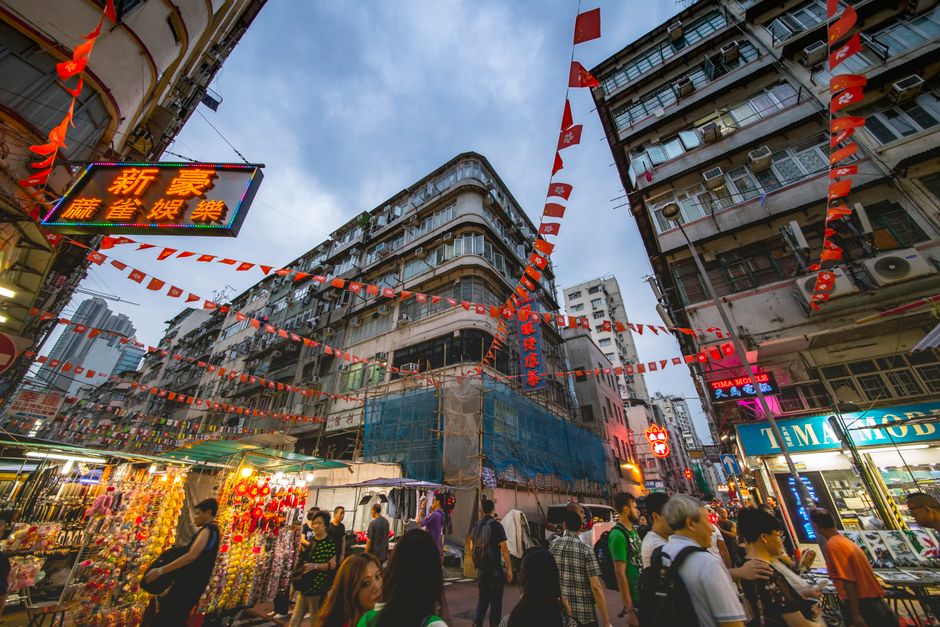
Walk down Kowloon's Prat Avenue on a Friday night and you'll notice something that seemed unlikely five years ago: queues forming outside modest basement venues, their windows plastered with concert posters. This is the new face of Hong Kong's live music movement—one driven not by major corporations or government initiatives, but by a determined community of independent promoters, musicians, and venue operators who've decided the city's cultural landscape needed reimagining.
The shift gained momentum around 2023-24, when several independent venues—among them smaller operations in Sheung Wan, Mong Kok, and along Des Voeux Road—began hosting regular live sets. Unlike the high-ticket arena shows that have historically dominated Hong Kong's entertainment calendar, these spaces operate on a different model: lower cover charges (typically HK$80-150), capacity limits of 100-300 people, and a deliberate focus on emerging local artists alongside regional acts.
"There's an appetite for authenticity that doesn't exist in the big venues," explains the ecosystem of promoters who've built networks across platforms like Instagram and Telegram, bypassing traditional ticketing routes entirely. Monthly showcases in converted shopfronts have become de facto community hubs, attracting artists who might otherwise struggle to access Hong Kong's expensive venue landscape.
Data from the Live Performance Association of Hong Kong shows that independent venue bookings increased by roughly 65 percent between 2023 and 2025, while attendance at smaller shows grew faster than major concert hall performances. This represents a significant cultural recalibration in a city where entertainment traditionally flowed top-down through established channels.
The movement carries deeper resonance beyond mere numbers. For many participants, these venues represent something increasingly rare in Hong Kong: spaces where creative risk-taking feels possible, where the economics don't demand chart success to justify existence. Musicians report finding audiences more engaged, more willing to explore experimental work. Venue operators describe building genuine community rather than simply processing transactions.
Not everyone celebrates the trend. Established venues express concern about fragmentation of the market. Some cultural commentators worry about the sustainability of grassroots models without institutional support. Yet the movement persists, driven by volunteers, subsidised by passion, and sustained by a community convinced that Hong Kong's cultural vitality depends on alternatives to the mainstream.
As these spaces continue multiplying across neighbourhoods from Causeway Bay to Tsim Sha Tsui, they're quietly redefining what live entertainment means in Hong Kong—proving that sometimes the most significant cultural shifts emerge not from above, but from the ground up.
This article was compiled by AI from the sources linked above and screened before publishing. See our editorial standards.