When restaurants shuttered across Hong Kong in early 2020, few predicted the creative explosion that would follow. Yet today's thriving food scene—valued at HK$60 billion annually according to the Hong Kong Tourism Board—owes everything to a generation of restaurateurs, chefs, and hospitality workers who refused to let the industry collapse.
Walk through Sheung Wan's narrow streets and you'll encounter the fingerprints of this movement everywhere. The craft cocktail bars that now line Gough Street didn't emerge from corporate backing. Many were launched by former finance workers and hospitality professionals who pivoted during lockdowns, pooling savings and betting on neighbourhood character over premium rents. These intimate venues—many seating fewer than 30 people—became gathering spaces that helped define Hong Kong's post-pandemic identity.
The story is similarly personal in Central, where a cluster of restaurants has earned international recognition. What unites them isn't Michelin stars alone, but the personal narratives of chefs who trained across Asia, Europe, and America before choosing to root themselves here. Many cited Hong Kong's ingredient accessibility and cosmopolitan clientele as decisive factors, but equally important was finding collaborators—from front-of-house managers to suppliers—who shared their vision of elevated yet unpretentious dining.
The F&B sector employed approximately 250,000 people in Hong Kong pre-pandemic; that figure dipped to 180,000 by 2021. Yet those who remained became the backbone of recovery. Training initiatives run by organisations like the Hong Kong Culinary Arts Association have since helped reskill and rehire workers, creating pathways for career advancement beyond traditional hierarchy structures that historically defined the industry here.
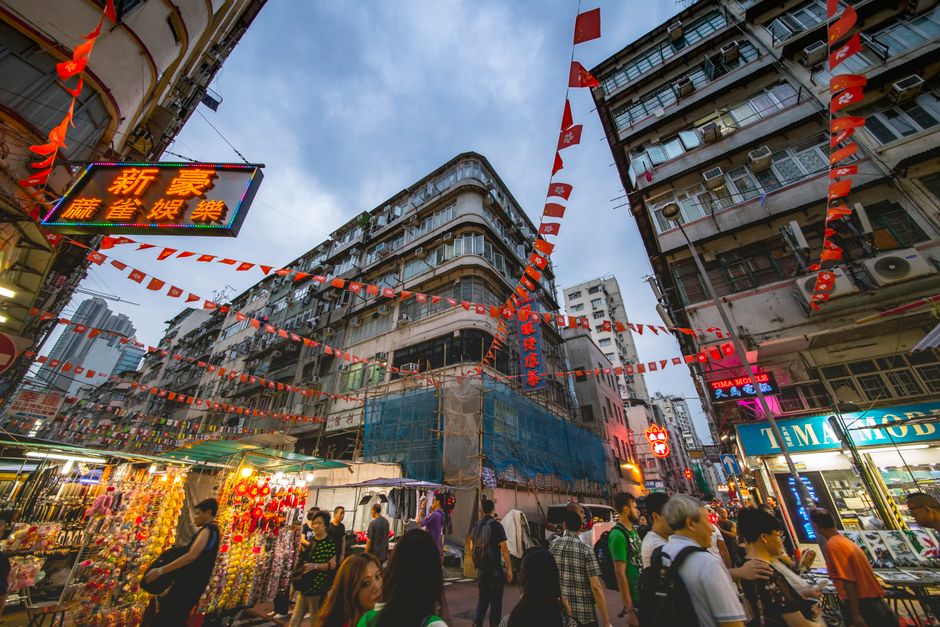
In Causeway Bay and Mong Kok, immigrant chefs and restaurant owners—particularly from Southeast Asia and South Asia—have carved out spaces that celebrate their heritage while appealing to a younger, more adventurous Hong Kong diner. These weren't always high-margin ventures; many operate on slim margins but attract loyal followings that sustained them through economic uncertainty.
The neighbourhood-focused movement also transformed how Hong Kong diners think about eating out. Where luxury dining once meant Tsim Sha Tsui and Central, younger patrons now deliberately seek out Sham Shui Po's street food reinventions and Wong Tai Sin's hole-in-the-wall gems. Average meal costs range from HK$80 for quality neighbourhood spots to HK$400-600 for serious dining—but the democratisation is the point.
These stories matter because they reveal Hong Kong's food culture not as a finished product, but as something perpetually remade by people choosing, daily, to stay and build.
This article was compiled by AI and screened before publishing. See our editorial standards.