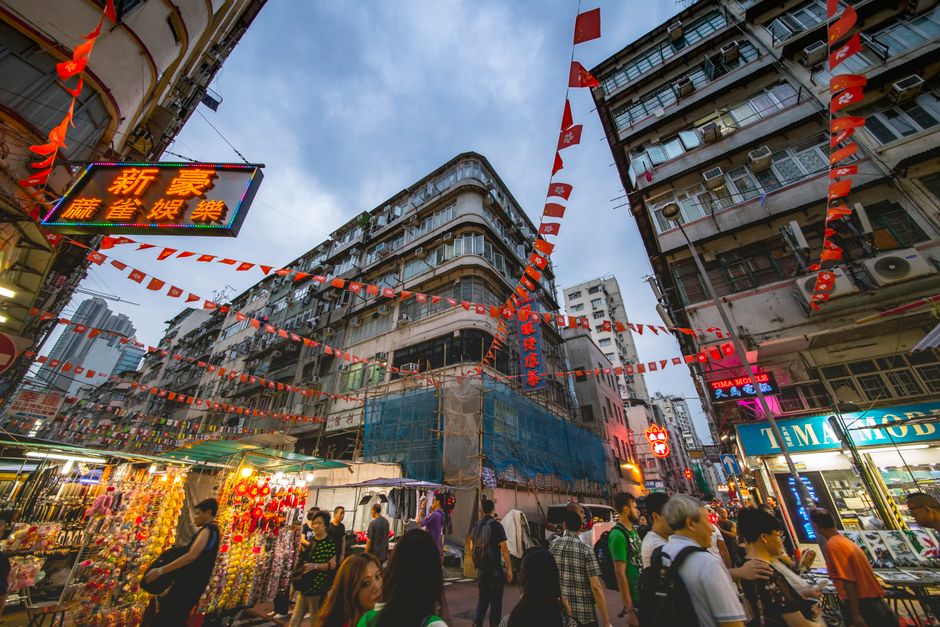
Walk through Central on any Thursday evening and you'll witness Hong Kong's cultural paradox in microcosm: a line of finance workers queuing outside a cramped noodle shop in Lan Kwai Fong, while metres away, a cocktail bar serves drinks at HK$180 that deconstruct local flavours through molecular gastronomy. This collision of old and new, vernacular and avant-garde, has quietly become the defining statement of Hong Kong's contemporary identity.
The transformation is not accidental. Over the past five years, Hong Kong's food and beverage sector—worth approximately HK$100 billion annually—has evolved beyond mere sustenance into a creative medium through which the city processes its identity crisis. Heritage is no longer something to preserve in amber; it's something to remix, challenge, and celebrate simultaneously.
In Sham Shui Po, where working-class communities have historically anchored the neighbourhood, a new generation of chefs is mining dai pai dong culture not for nostalgia but for innovation. Restaurants like those emerging around the restored Apliu Street are treating Cantonese techniques as conceptual frameworks rather than recipes to follow rigidly. The result feels authentically Hong Kong precisely because it refuses simplistic authenticity.
Meanwhile, Sheung Wan's bar scene—concentrated along Gough Street and Hollywood Road—has become a laboratory for cultural negotiation. Establishments serving craft cocktails infused with dried seafood, chrysanthemum, or fermented black beans aren't performing Hongkonger-ness for tourists. They're asking what it means to be cosmopolitan while remaining rooted. These bars have become what gallery openings once were: spaces where the city's creative class gathers to articulate shared anxieties and aspirations.
The statistics tell a compelling story. According to Hong Kong Tourism Board data, culinary experiences now rank among the top three reasons international visitors cite for choosing the city. Yet domestically, the more significant shift is psychological. Young Hongkongers are increasingly viewing hospitality careers—once considered career dead-ends—as legitimate creative pathways. Culinary schools report a 40 per cent increase in applications over three years.
What makes this moment distinctive is that Hong Kong's food culture isn't trending because it's been packaged for external consumption. Instead, the reverse is happening: the city's restaurants and bars have become spaces where internal questions about identity, belonging, and futurity find expression through flavour, technique, and atmosphere. In a city perpetually negotiating between competing allegiances, the dinner table has emerged as neutral ground where Hong Kong simply remains itself—contradictions and all.
This article was compiled by AI from the sources linked above and screened before publishing. See our editorial standards.