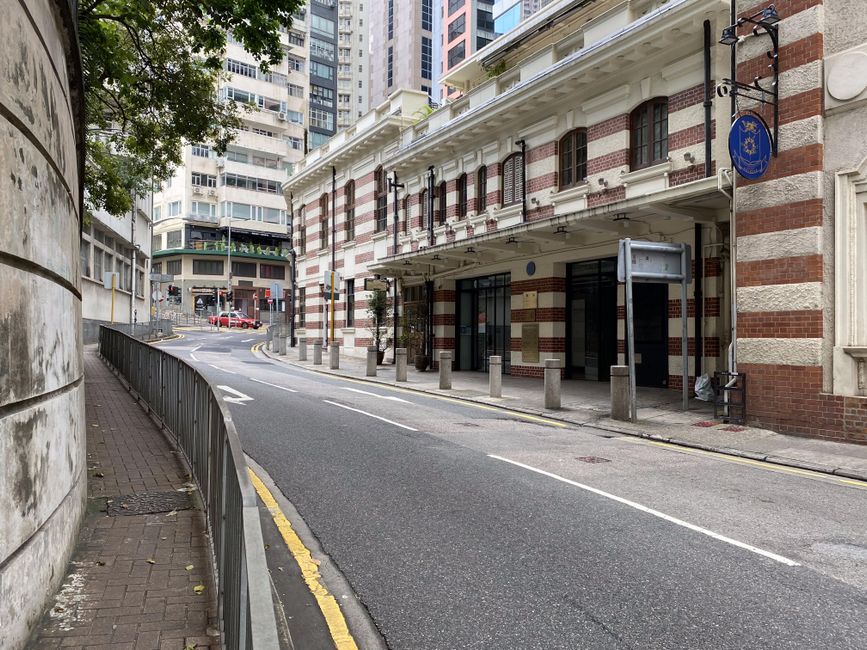
Walk past the Hong Kong Arts Centre on Wan Chai Road any evening this week, and you'll notice something that seemed unlikely just two years ago: sold-out performances, queues at the box office, and genuine buzz among creative professionals about what's on stage.
The shift is real, though subtle. Unlike the dramatic international headlines dominating global culture—celebrity trials, geopolitical tensions reshaping tourism patterns—Hong Kong's performing arts recovery is a quieter story, one being felt in black-box theatres and mid-sized venues rather than splashed across social media. Yet it's precisely this understated momentum that has locals talking.
Freespace at the West Kowloon Cultural District has been instrumental. The venue, which opened in 2019 but struggled through prolonged periods of reduced capacity, is now programming at near-full strength. June saw experimental theatre and contemporary dance productions attract audiences who hadn't ventured into a theatre in months. Ticket prices—ranging from HK$180 to HK$480 for local productions—remain accessible compared to pre-pandemic levels, and that's deliberate. Arts administrators say they're prioritising volume over premium pricing.
But the real story is about local creators reclaiming space. Theatres like Punchdrunk and intimate venues in Sheung Wan are hosting Hong Kong-based playwrights and performers who might have decamped to Singapore or London during the lean years. Several emerging theatre collectives have launched summer seasons, capitalising on what appears to be genuine appetite for live performance. Word-of-mouth recommendations—a metric that matters in Hong Kong's tight-knit arts community—are stronger than they've been since 2019.
International acts are returning too. The Hongkong International Film Festival, traditionally held in March, is being discussed with renewed confidence for 2027. Meanwhile, smaller touring productions are testing the waters again, treating Hong Kong as a viable stop rather than a risky proposition.
What's driving this? Partly practical: restrictions that devastated the sector have eased. Partly psychological: creative professionals are reinvesting in venues they feared might not survive. And partly demographic: younger audiences, unburdened by pandemic fatigue, are discovering theatre as a social experience again.
The broader context matters too. Hong Kong faces questions about its international positioning and soft power. As the city recalibrates its cultural identity, a thriving performing arts scene isn't merely entertainment—it's evidence of vitality. That message isn't lost on audiences or arts administrators.
None of this will make international headlines. But for anyone watching Hong Kong's creative pulse, it's the story that actually counts.
This article was compiled by AI from the sources linked above and screened before publishing. See our editorial standards.