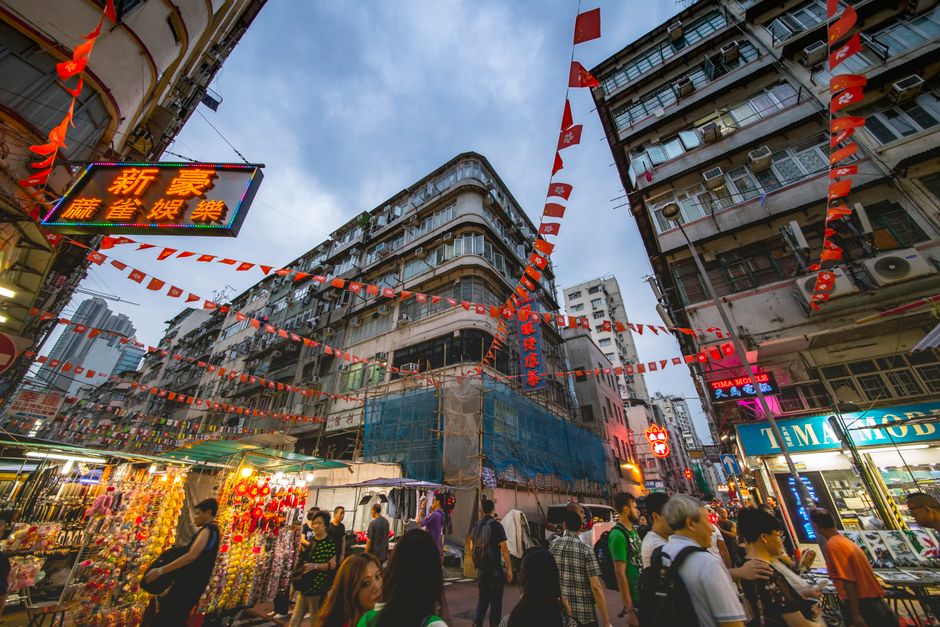
Hong Kong's street art scene has matured dramatically over the past five years, transforming industrial corners and heritage neighbourhoods into open-air galleries that rival established museums. Whether you're a collector, designer, or casual wanderer, the city's creative districts now offer distinct experiences worth mapping out.
Sheung Wan's Laneway Renaissance
Start in Central's western reaches, where Cat Street and the surrounding laneways have become a curated playground for local and regional artists. What began as spontaneous murals has evolved into managed installations, with pieces rotating seasonally. The neighbourhood's galleries—concentrated around Gough Street and Ladder Street—blend street culture with commercial art. Budget two to three hours here, and pop into independent design shops selling locally-made goods; prices range from HK$80 for small prints to HK$3,000-plus for original works.
Fotan's Industrial-to-Creative Pivot
Across the harbour in Kowloon, Fotan has solidified its reputation as Hong Kong's premier creative cluster. Over 500 artists and designers now occupy the area's repurposed factories, with spaces like Osage Art Foundry and PMQ's sister venues hosting monthly open studios. The neighbourhood's Thursday evening art walks (typically 7-9pm) are particularly vibrant, drawing serious collectors and curious neighbours alike. Expect to spend HK$150-300 on lunch or coffee while gallery-hopping.
Sham Shui Po's Raw Edge
This Kowloon neighbourhood remains Hong Kong's most unpolished creative frontier. Homegrown muralists continue experimenting on building facades along Apliu Street and the surrounding blocks, creating a constantly evolving landscape. It's grittier than Fotan and more commercial than Sheung Wan—perfect for photographers and those seeking authentic street culture untouched by gallery curation. Several new design studios have opened here since 2024, signalling gentrification pressure that makes documentation urgent.
Stanley's Waterfront Awakening
On Hong Kong Island's southern coast, Stanley's promenade and side streets have recently hosted larger-scale murals and sculpture installations, often tied to seasonal cultural festivals. The oceanfront setting makes it less traditional as an art district, but increasingly relevant for design-forward installations.
Practical Notes
Most street art remains free to view. Gallery visits typically cost nothing; many spaces operate Thursday-Sunday, 11am-6pm. Public transport is reliable across all neighbourhoods—the MTR connects each district efficiently. Photography is generally permitted, though always check with gallery staff first. June is ideal timing; July-September brings heat and occasional typhoons that can temporarily close outdoor spaces.
Hong Kong's street art districts thrive because they haven't fully commercialised. Visit soon—and support local artists directly whenever possible.
This article was compiled by AI from the sources linked above and screened before publishing. See our editorial standards.