Hong Kong's fashion ecosystem operates at a peculiar intersection: a city that simultaneously honours 70 years of bespoke tailoring tradition while incubating some of Asia's most audacious contemporary designers. For visitors navigating this landscape, understanding both threads is essential.
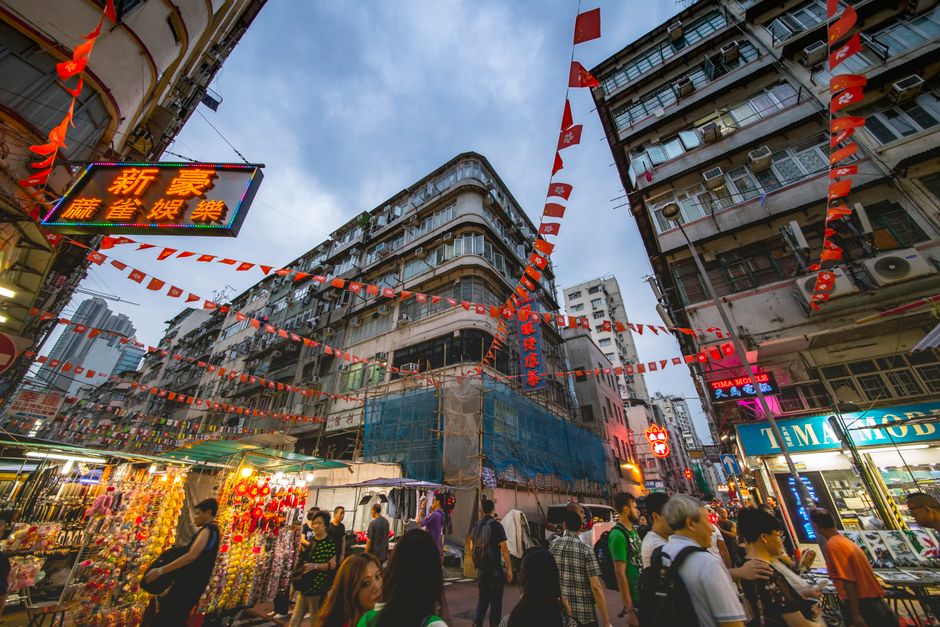
Start in Mong Kok, where fashion manufacturing's heartbeat still pulses through narrow storefronts. The neighbourhood remains home to over 800 textile and garment businesses, many offering custom tailoring services that still undercut London prices by 40 per cent. Argyle Street remains the epicentre, though increasingly these ateliers cater to serious collectors rather than casual tourists. Budget 7,000 to 15,000 HKD for a bespoke suit with a two-week turnaround.
For contemporary design, Central's SoHo district has evolved into an unexpected creative hub. Here, boutiques like those clustered around Staunton Street showcase emerging Hong Kong designers working in sustainable fashion and experimental textiles. Rent remains punishing—commercial spaces here average 100,000 HKD monthly—yet independent labels persist, signalling genuine creative commitment rather than transient trends.
The Design Incubation Centre at Jockey Club Creative Arts Centre in Kowloon City offers curated exhibitions and pop-up spaces showcasing local talent. Admission is free, and the venue hosts quarterly showcases where emerging designers present collections to buyers and press. This is where Hong Kong's creative future rehearses itself, away from Causeway Bay's commercial machinery.
Causeway Bay itself demands a visit, though more for understanding commercial scale than discovering innovation. The neighbourhood generates approximately 2,400 HKD per square metre in annual rental income—the world's second-highest after central Tokyo—yet still houses independent vintage shops and concept stores amid the flagship chains. This tension between heritage and commerce defines contemporary Hong Kong perfectly.
Don't miss the twice-yearly Hong Kong Fashion Week (January and July), though 2026's dates require advance planning. The event draws approximately 35,000 international buyers and 1,000 exhibitors, making it Asia's most significant industry gathering outside Shanghai.
Finally, understand that Hong Kong's fashion identity isn't singular. The city functions simultaneously as manufacturing hub, luxury retail destination, and incubator for independent design. Visitors who grasp this complexity—that tailors on Argyle Street and concept designers in SoHo are equally representative—will discover a sector more intellectually interesting than most global fashion capitals acknowledge.
This article was compiled by AI from the sources linked above and screened before publishing. See our editorial standards.