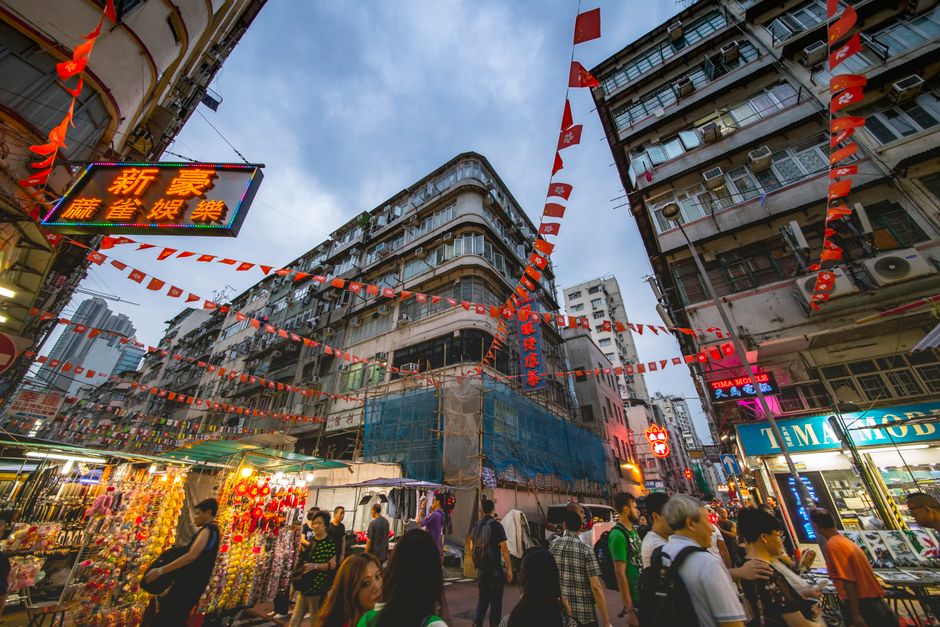
Walk down Gage Street in Central on a Friday night, and you'll hear the unmistakable hum of change. Where karaoke bars once dominated, intimate live music venues now pulse with activity. This shift—from corporate-controlled entertainment to community-led cultural spaces—represents one of Hong Kong's most significant cultural movements in recent years.
The transformation accelerated dramatically after 2023, when several mid-sized venues in Wan Chai and Causeway Bay closed due to rising rents. Rather than accept the consolidation of Hong Kong's live music scene into the hands of a few major promoters, a coalition of independent operators, local musicians, and passionate fans began establishing grassroots alternatives. Today, spaces like those operating in the backstreets of Sheung Wan and the converted industrial lofts of Fotan represent a deliberate rejection of the homogenised entertainment model that had characterised the previous decade.
"The movement isn't really about us versus them," explains the ethos behind several collectively-run venues that have emerged. "It's about reclaiming live music as something accessible, not exclusive." Ticket prices at independent venues typically range from HK$150 to HK$400, compared to HK$500-HK$1,500 at major concert halls, democratising access to live entertainment across income levels.
The numbers tell a compelling story. According to informal surveys by the Hong Kong Live Music Alliance—an umbrella organisation formed in 2024—the number of independent music venues operating below 500-capacity has doubled since 2022. More significantly, monthly attendance at these smaller venues now rivals attendance figures at larger corporate establishments, suggesting a fundamental shift in how Hongkongers prefer to experience live music.
This movement extends beyond venue economics. It reflects deeper anxieties about Hong Kong's cultural identity in an increasingly globalised marketplace. By prioritising local artists, experimental genres, and community engagement, these spaces offer something that slick, international touring shows cannot: a genuine sense of place and belonging.
The movement faces real challenges. Real estate pressures in neighbourhoods like Mong Kok and Kennedy Town continue to threaten venue survival. Sound ordinances in residential areas create operational headaches. Yet the community's determination remains palpable. Pop-up performances in the alleys of Sai Ying Pun, benefit concerts raising funds for struggling venues, and collaborative programming between spaces demonstrate a cultural ecosystem that's become remarkably resilient.
As the city navigates rapid urbanisation and cultural pressures, this grassroots movement offers a compelling counter-narrative: that vibrant, authentic culture thrives not through top-down corporate machinery, but through the collective commitment of communities who refuse to let their musical soul be homogenised.
This article was compiled by AI from the sources linked above and screened before publishing. See our editorial standards.