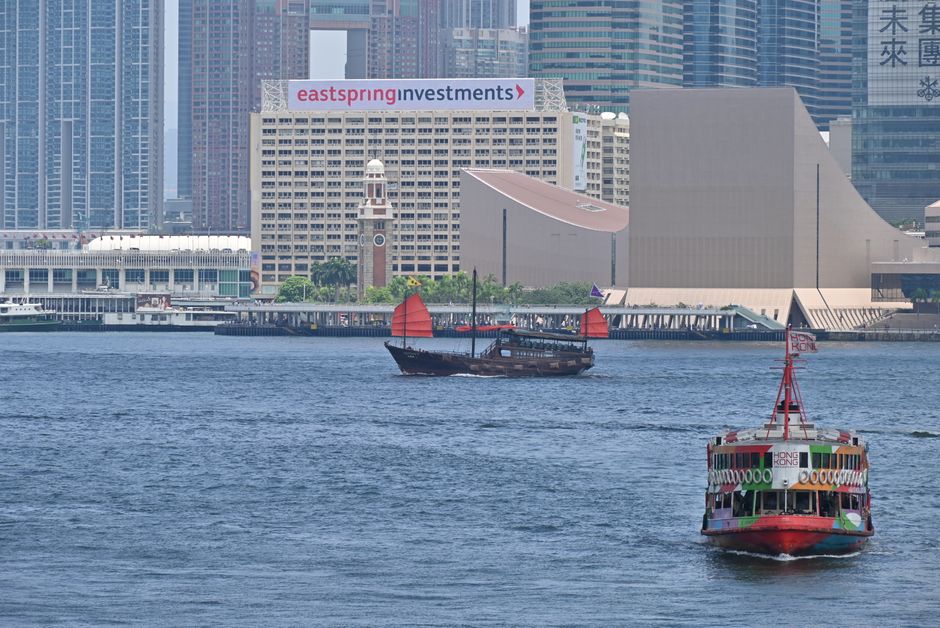
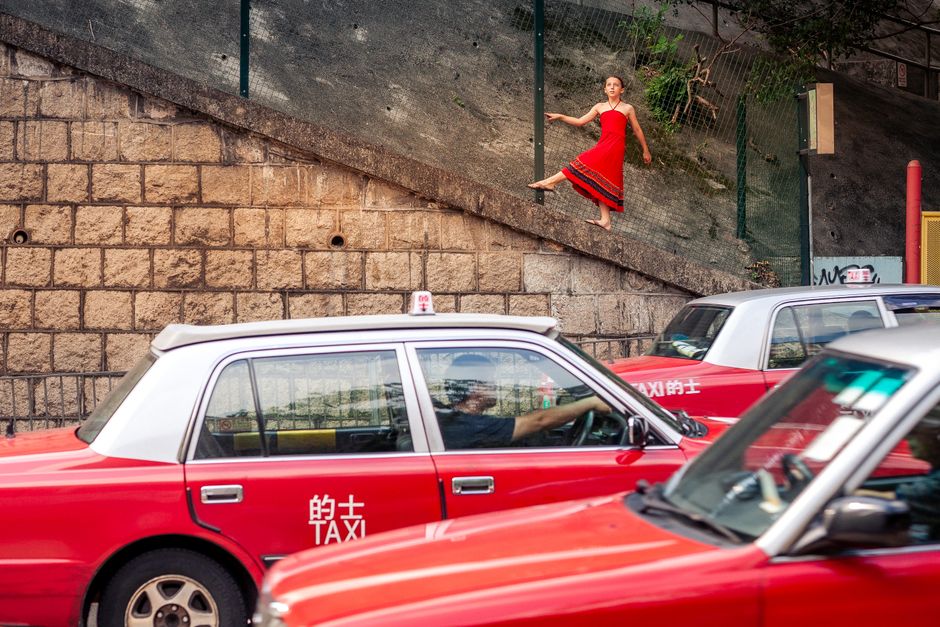
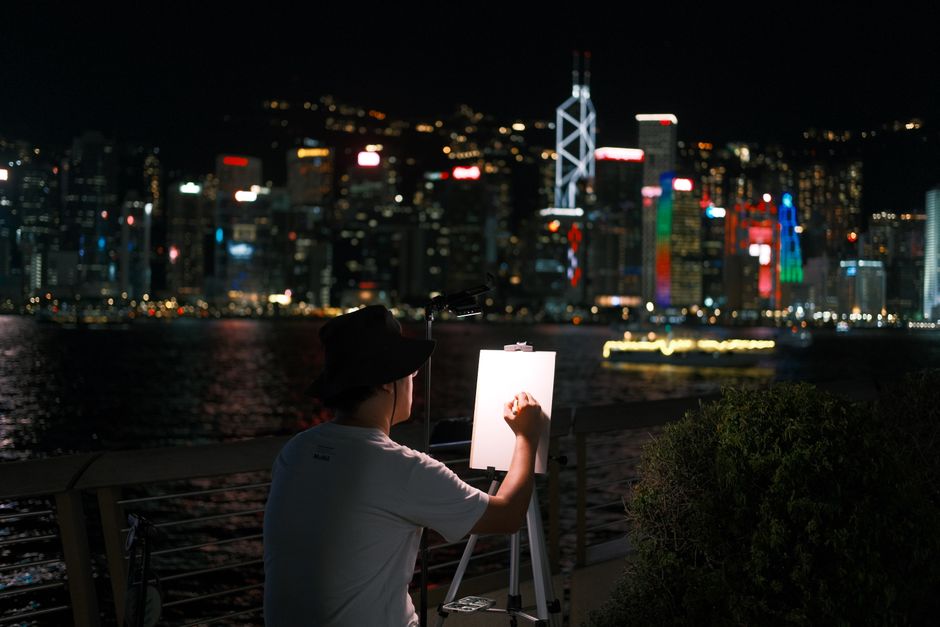
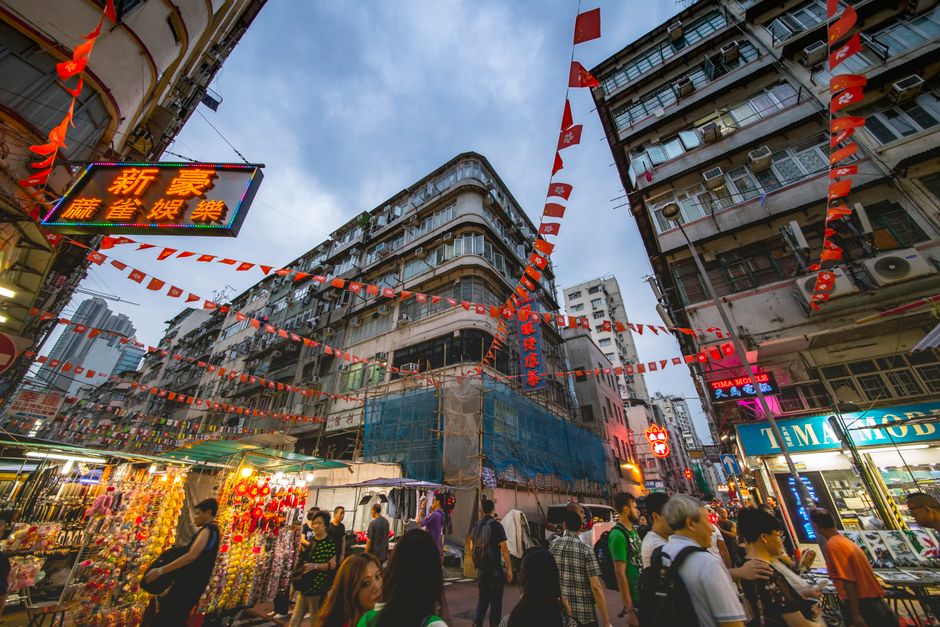
Walk through Central on any given weekend in 2026, and you'll encounter a festival ecosystem unimaginable to residents of the 1970s. Yet Hong Kong's contemporary calendar of events—from the Winter Festival's neon-lit takeover of Victoria Park to Art Basel's satellite fair installations across the waterfront—didn't emerge from nowhere. It evolved through deliberate institutional investment and a stubborn determination to preserve local traditions while embracing global spectacle.
The transformation began in earnest during the 1980s. Before this, Hong Kong's cultural calendar revolved almost entirely around traditional observances: Lunar New Year celebrations spilling through the streets of Mong Kok and Wong Tai Sin Temple, Mid-Autumn Festival lantern processions in Victoria Park, and neighbourhood temple fairs that required no corporate sponsorship. These weren't branded experiences—they were organic community rituals that defined neighbourhoods.
The Tourism Board's establishment of formal "signature events" in the 1990s marked a turning point. The Hong Kong Arts Festival, which began modestly in 1973 with theatre and classical music in Central venues, ballooned into a three-week March extravaganza drawing 400,000 attendees annually. The Lunar New Year Night Parade, launched in 1989, professionalized what had been spontaneous street celebrations, eventually attracting 700,000 spectators by the 2010s.
What distinguishes Hong Kong's evolution isn't abandonment of tradition but its layering atop it. The Spring Lantern Festival still happens in the old neighbourhoods—Wong Tai Sin, Sha Tin, and Tuen Mun—virtually unchanged in ritual, even as the Tourism Board markets curated versions to international visitors. Tai Hang Village in Wan Chai continues its Fire Dragon Dance every Mid-Autumn Festival, now surrounded by Instagram-ready installations that would confound elders but fail to dampen the core ceremony.
The financial stakes have grown dramatically. By 2024, Hong Kong's festival economy was valued at approximately $2 billion annually, with Art Basel Hong Kong alone generating an estimated $400 million in direct spending. Yet this growth carries tension. Premium tickets for harbour-view vantage points at the New Year Fireworks have climbed to $1,200, pricing out families who once made it a free public spectacle from the beaches of Causeway Bay or Tsim Sha Tsui.
Today, Hong Kong's calendar balances forty-plus major festivals—traditional and contemporary, local and international. From the Clockenflap music festival in Central Harbourfront to the biennial Documenta-style art initiatives, the city has engineered itself as a cultural destination competing with Singapore and Tokyo. Whether this represents authentic cultural evolution or strategic commodification remains the question animating Hong Kong's creative class as the city enters its next phase.
This article was compiled by AI from the sources linked above and screened before publishing. See our editorial standards.