Walk down Staunton Street in Central on any given evening, and you'll witness the collision of Hong Kong's culinary past and future. What took decades to build—a dense ecosystem of Michelin-starred establishments, craft cocktail bars, and heritage eateries—emerged from the decisions of individuals who bet everything on an unproven vision: that Hong Kong's food culture could become a global draw without abandoning its roots.
The story begins not in gleaming dining rooms, but in kitchens. In the early 2010s, when many predicted that Hong Kong's traditional dai pai dong culture would vanish entirely, a handful of chefs refused the inevitability. They began documenting recipes from retiring vendors in Sham Shui Po, studying the precise flame-control required for wok hei, and—crucially—teaching younger cooks. These weren't celebrity chefs importing foreign techniques; they were custodians facing extinction.
Simultaneously, a parallel movement emerged among bar owners and restaurateurs who recognised something fundamental: Hong Kong's strength lay in fusion without apology. The proliferation of cocktail bars around Soho—establishments like those clustered near D'Aguilar Street—didn't represent Western colonisation of local spaces. Instead, owners like those who built the current scene understood that Hong Kong's cosmopolitan DNA thrived on synthesis. By 2025, cocktail culture in Central had generated an estimated HK$2.8 billion in annual turnover, attracting both locals and visitors seeking something distinctly Hong Kong.
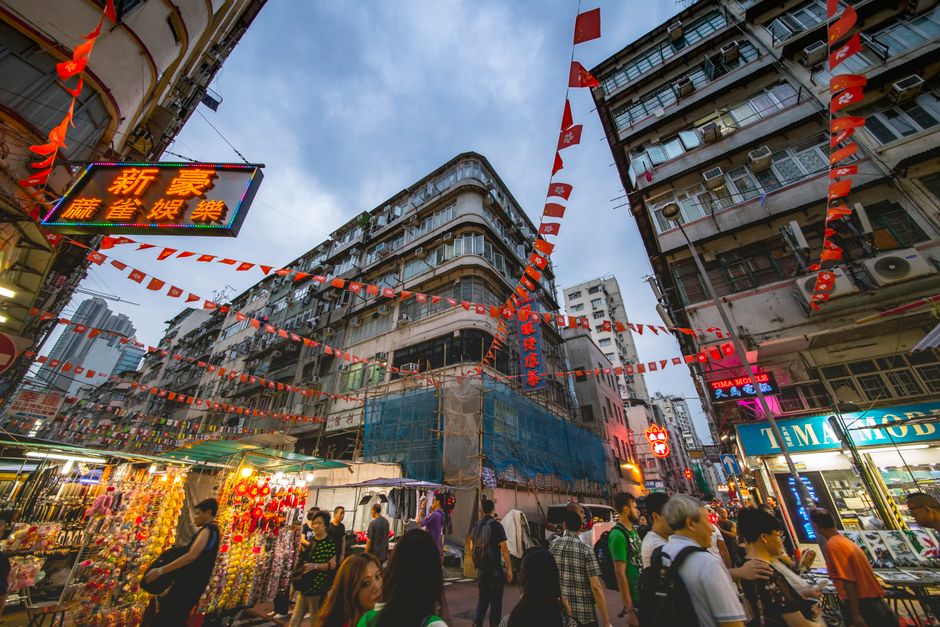
The neighbourhood transformation tells another crucial tale. Sham Shui Po, long dismissed as purely industrial, became a destination precisely because local entrepreneurs and food writers collaborated rather than competed. Independent noodle shops, vintage teahouses, and experimental kitchens coexisted. The area's accessibility—average mains priced between HK$45-85—meant authentic food remained within reach, preventing the gentrification trap that consumed other cities.
What's often overlooked is the infrastructure these pioneers built. The Hong Kong Chefs Association, expanded significantly after 2015, created mentorship pipelines. Food media outlets provided platforms for emerging talents. Family businesses adapted: traditional Cantonese dim sum restaurants added QR code ordering without abandoning push-carts; heritage establishments trained staff in both Mandarin and English.
Today, Hong Kong maintains 70 Michelin-starred establishments alongside thousands of street-level vendors. This coexistence isn't accidental—it reflects decades of intentional stewardship. The chefs, entrepreneurs, and advocates who created this landscape understood that Hong Kong's food scene's global appeal rested on one irreplaceable asset: authenticity rooted in community, not celebrity.
That philosophy remains the city's most valuable export.
This article was compiled by AI from the sources linked above and screened before publishing. See our editorial standards.