Hong Kong's Gallery Scene Is Quietly Reshaping Itself—And Locals Are Finally Noticing
A shift away from Central's traditional power players is creating unexpected cultural momentum in Sheung Wan, Sham Shui Po, and beyond.
2 min read
Updated 10 h ago
A shift away from Central's traditional power players is creating unexpected cultural momentum in Sheung Wan, Sham Shui Po, and beyond.
2 min read
Updated 10 h ago
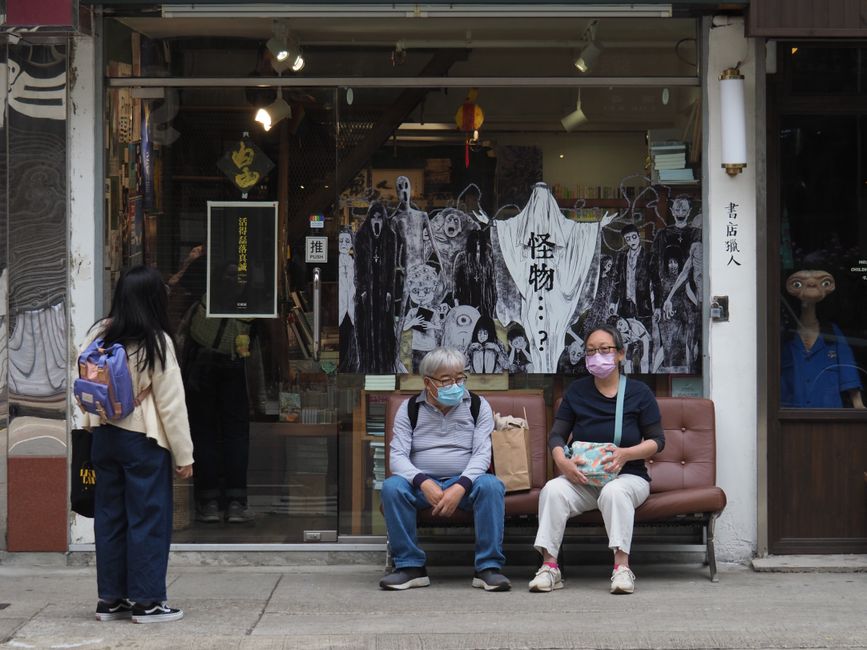
Walk down Gough Street in Sheung Wan on a Saturday afternoon and you'll notice something has shifted. Where gallery-hopping once meant navigating the predictable circuit of Central's glass-fronted establishments, younger collectors and curious locals now drift between converted warehouse spaces, pop-up venues, and artist-run initiatives scattered across Hong Kong Island's mid-tier neighbourhoods.
The movement reflects a broader recalibration of the city's arts ecosystem. While the annual Art Basel Hong Kong—traditionally held in March—remains the industry's anchor event, the real conversation among gallery owners and curators has moved elsewhere. Several established galleries in Central have downsized or relocated since 2024, citing rising rents and shifting collector priorities. Simultaneously, grassroots spaces have flourished. Sham Shui Po, long dismissed as merely industrial, has emerged as an unexpected hub, with at least a dozen artist collectives now operating from converted factory buildings along Yen Chow Street and Austin Road.
The M+ in West Kowloon continues to draw crowds—its recent programming around contemporary Asian art has attracted record visitor numbers—but locals increasingly discuss the tension between major institutions' commercial imperatives and the scrappier, community-driven spaces gaining traction. Independent galleries like those clustering around Lyndhurst Terrace in Sheung Wan have capitalized on this sentiment, offering exhibitions that feel more experimental and locally rooted than the international-facing work dominating prestigious venues.
Prices tell part of the story. A gallery opening in Sheung Wan might charge 30,000-50,000 HKD monthly rent, compared to 80,000-120,000 HKD in Central's prime locations. That economics shift has enabled younger gallerists to take risks, programming work by emerging Hong Kong artists and lesser-known regional names that wouldn't fit traditional commercial models.
The Hong Kong Museum of Art's recent acquisitions of pieces by local contemporary artists have also fuelled discussion about institutional support for homegrown talent—a topic that dominated art circles here throughout early 2026. Social media conversations increasingly pit the question: are we celebrating Hong Kong artists or importing prestige from abroad?
What's undeniable is that the city's cultural geography is fragmenting and redistributing. The old Central monopoly on taste-making has fractured. Whether this decentralization represents genuine democratization or simply gentrification creeping into new neighbourhoods remains contested—but what's certain is that locals are talking about where and how art matters in Hong Kong as they haven't in years.
This article was compiled by AI from the sources linked above and screened before publishing. See our editorial standards.
About this article
Published by The Daily Hong Kong
Spread the word
Daily brief
Free, in your inbox before 7am. Weekdays.
Before you go
The day's Hong Kong news in a 2-minute read. Free, weekday mornings.