Hong Kong's arts ecosystem has rarely felt more dynamic. With major institutions refreshing their collections and independent galleries pushing experimental boundaries, mid-2026 offers an exceptional window into what the city's creative communities are thinking and making right now.
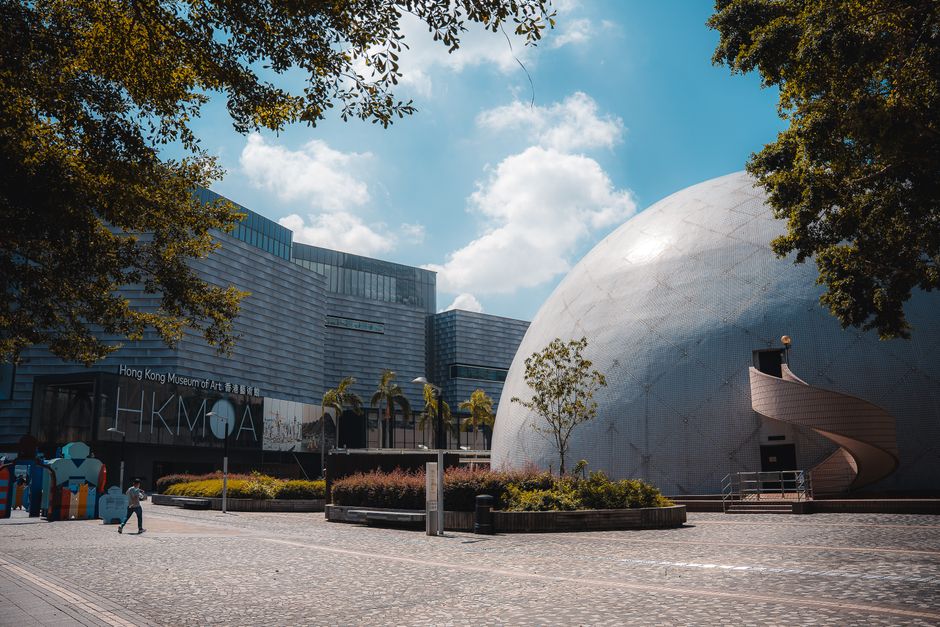
Start in Central, where the Museum of Art on HarbourFront Road continues to anchor serious contemporary programming. The institution's recent investment in Southeast Asian and transnational artists reflects Hong Kong's evolving curatorial ambitions. Admission runs around HK$50 for general visitors, though early morning visits on weekdays tend to be quieter. Just a short walk away, the historic Central district houses an emerging gallery corridor—spaces like those clustered around Staunton Street and Lan Kwai Fong have become incubators for mid-career Hong Kong artists experimenting with digital media and installation work.
For something more intimate, venture into Sheung Wan, where converted shophouses now operate as artist-run galleries and non-profit spaces. This neighbourhood, roughly bounded by Des Voeux Road West and Queen's Road West, has quietly become the city's most interesting gallery district outside the commercial epicentre. Rents are lower, spaces are larger, and experimental programming flourishes. Several galleries here offer no admission charge, operating on a donation or pay-what-you-wish model.
Don't overlook the Hong Kong Heritage Museum in Sha Tin, easily accessible by MTR. While geographically removed from the CBD, its rotating exhibitions on local visual culture, design history, and contemporary practices consistently offer intellectually rigorous engagement. The HK$20 entry fee—roughly half that of other major institutions—makes it exceptional value.
The city's university art museums deserve attention too. The Art Museum at the Chinese University in Shatin and similar institutional spaces often host exhibitions that never reach mainstream attention but reward curious visitors with genuinely thought-provoking work by emerging local and regional artists.
Summer typically brings reduced foot traffic and more relaxed viewing conditions. Many galleries and museums offer extended evening hours during June and July, perfect for post-work visits. Several institutions have embraced online cataloguing, so checking their websites beforehand helps you prioritise based on current programming.
Whether you're seeking established names or discovering emerging voices, Hong Kong's gallery and museum scene rewards exploration. The city's combination of international prestige and local artistic ambition—not to mention its compact geography—makes seeing significant work in a single afternoon entirely feasible. The moment to visit is now, while institutions are animated by summer energy and new acquisitions.
This article was compiled by AI from the sources linked above and screened before publishing. See our editorial standards.