As Hong Kong navigates rapid modernisation, a grassroots movement to preserve and celebrate local heritage has gained remarkable momentum. For those seeking authentic connections to the city's layered history, summer 2026 offers unprecedented access to cultural spaces that tell the story of who we are.
Start in Sheung Wan, where Man Mo Temple—established in 1847—remains a spiritual anchor serving the community. The temple's recent conservation effort has reopened its traditionally closed upper floors to guided tours (HK$80 per person, Saturdays 2-4pm). Nearby, the Western Market, built in 1906 and restored in 1991, hosts weekend heritage craft workshops teaching traditional Chinese calligraphy and block printing. These hands-on sessions, run by the Hong Kong Heritage Foundation, attract both locals and visitors keen to engage tactilely with cultural traditions.
For a deeper dive into working-class history, visit Lei Yue Mun fishing village in East Kowloon. Once home to thousands of fishermen, this precinct has transformed into a living heritage site where family-run seafood restaurants still operate alongside a newly opened Maritime Museum. The museum—free entry, open daily 10am-6pm—documents three centuries of local fishing culture through photographs, fishing implements, and oral histories. Walking the narrow alleyways at dusk, when fishing boats return, you'll witness practices that have persisted for generations.
The Tai Kwun Centre for Heritage and Arts in Central has become essential cultural real estate. Beyond its exhibition programme, the restored colonial compound hosts intimate talks and film screenings exploring Hong Kong identity. Recent data shows over 2.3 million visitors annually, reflecting hungry appetite for these conversations. Entry is free; exhibitions typically HK$60.
Don't overlook neighbourhood-level initiatives. In Sham Shui Po, the Videotage collective continues screening local independent films examining urban displacement and community resilience. Meanwhile, Cha space (a grassroots cultural hub in nearby Apliu Street) hosts monthly gatherings where residents share oral histories of the district's evolution from industrial hub to creative neighbourhood.
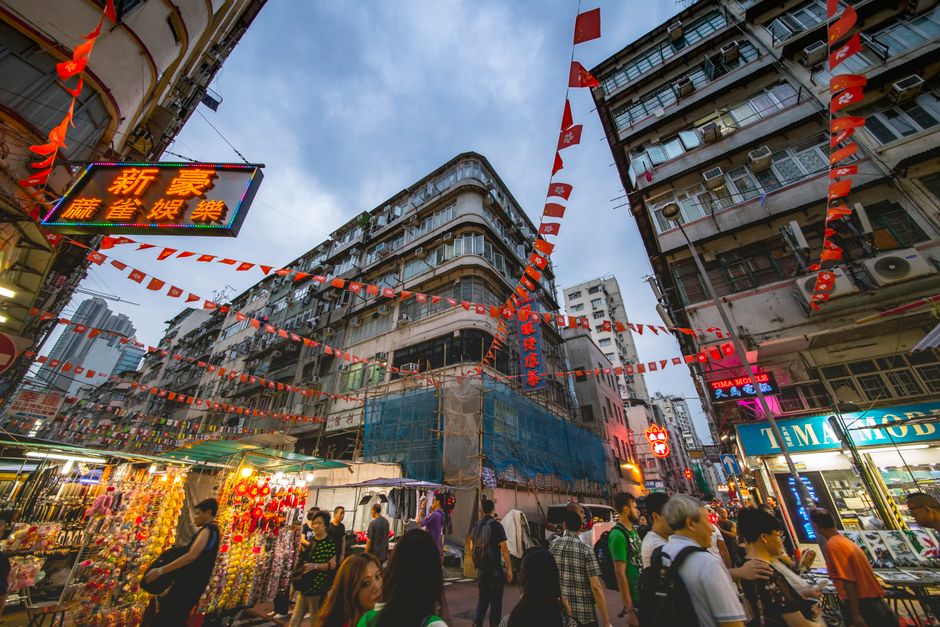
For the foodie seeking heritage, dai pai dong stalls in Mong Kok's Ladies' Market still serve dishes unchanged for 40 years—a culinary archive that costs mere tens of dollars per meal.
These experiences—affordable, accessible, locally embedded—represent Hong Kong's conscious effort to slow down, look inward, and ask what cultural continuity means in 2026. They're not polished tourist offerings, but genuine spaces where locals and curious visitors collide over shared stories. That authenticity is increasingly rare, making now precisely the moment to engage.
This article was compiled by AI from the sources linked above and screened before publishing. See our editorial standards.