Why Hong Kong's Gallery Scene is Suddenly the Talk of the Town
A wave of independent spaces opening across Sheung Wan and grassroots artist collectives are reshaping how locals engage with contemporary art.
3 min read
Updated 13 h ago
A wave of independent spaces opening across Sheung Wan and grassroots artist collectives are reshaping how locals engage with contemporary art.
3 min read
Updated 13 h ago
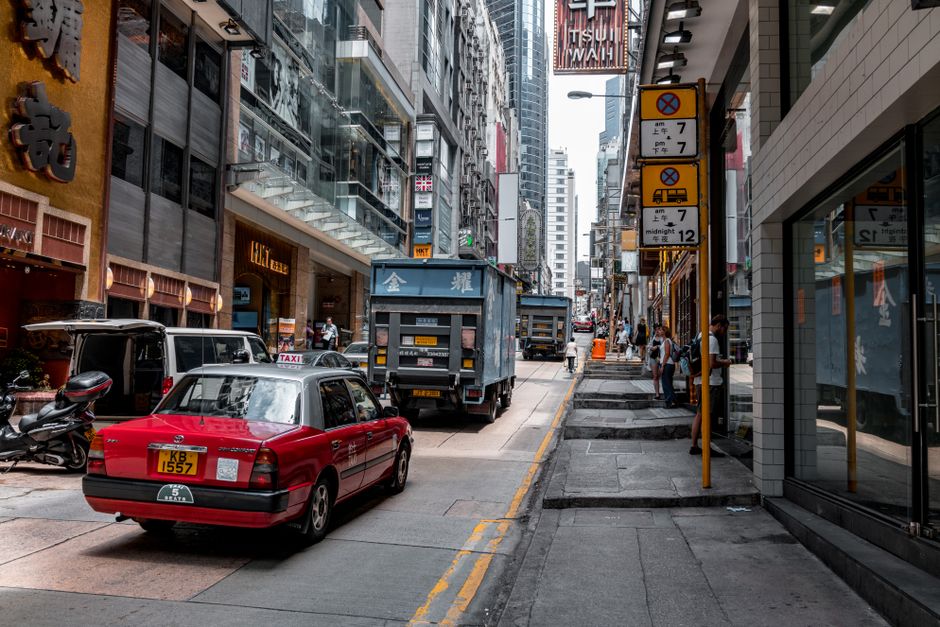
Walk down Upper Lascar Row on any weekend afternoon and you'll notice something has shifted. Where vintage shops once dominated, gallery windows now gleam with installations and experimental works. Hong Kong's arts community is buzzing about a quiet revolution happening in real time—one that's decentralising culture away from the major institutions and placing it squarely in the hands of independent curators and emerging artists.
The catalyst has been partly economic. With Central's gallery rents soaring past HK$150,000 monthly for modest spaces, a new generation of art professionals has pivoted westward into Sheung Wan's labyrinthine side streets and eastward into Wong Chuk Hang's industrial conversion spaces. Unlike the rarefied, appointment-only galleries that have long defined Hong Kong's art market, these newer ventures operate with radical accessibility: open doors, free entry, and programming that speaks directly to neighbourhood residents rather than collectors alone.
This shift coincides with a broader demographic shift. The average Hong Kong gallery-goer is getting younger—with visitors under 35 now representing roughly 60% of footfall in independent spaces, according to recent feedback from arts administrators across the city. Young professionals, creatives, and university students are increasingly treating gallery visits not as obligatory cultural consumption but as social experiences, often combining art with coffee stops and vintage browsing.
The Jockey Club Contemporary Art Centre in Sheung Wan has become a de facto community hub, while grassroots initiatives like artist-run collectives operating from flatted factory spaces in Causeway Bay are gaining word-of-mouth momentum. These venues often showcase work that major museums—including the Hong Kong Museum of Art on Victoria Park Road—have historically overlooked: experimental video, activist-inflected installations, and hyperlocal commentary on housing, displacement, and identity.
The timing matters. As global headlines bring attention to stability and cultural preservation elsewhere, Hong Kong's creative class appears energised by questions of cultural ownership and self-determination. Several emerging artists have publicly resisted conventional gallery representation, choosing instead to present work independently or collectively—a stance that would have seemed commercially suicidal even three years ago.
Industry watchers note that this democratisation hasn't diminished Hong Kong's standing as an art market hub. Rather, it's created a two-tier ecosystem: established galleries maintaining their collector bases, while parallel networks experiment with what contemporary art can be beyond commerce. For locals exhausted by Hong Kong's relentless market logic, that parallel world feels urgently necessary—and increasingly hard to ignore.
This article was compiled by AI from the sources linked above and screened before publishing. See our editorial standards.
About this article
Published by The Daily Hong Kong
Spread the word
Daily brief
Free, in your inbox before 7am. Weekdays.
Before you go
The day's Hong Kong news in a 2-minute read. Free, weekday mornings.