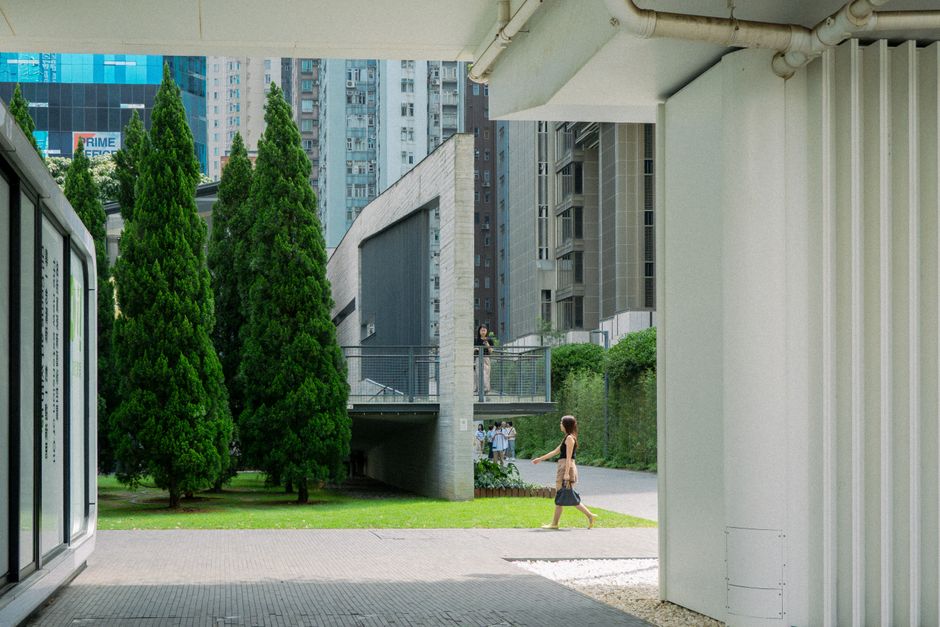
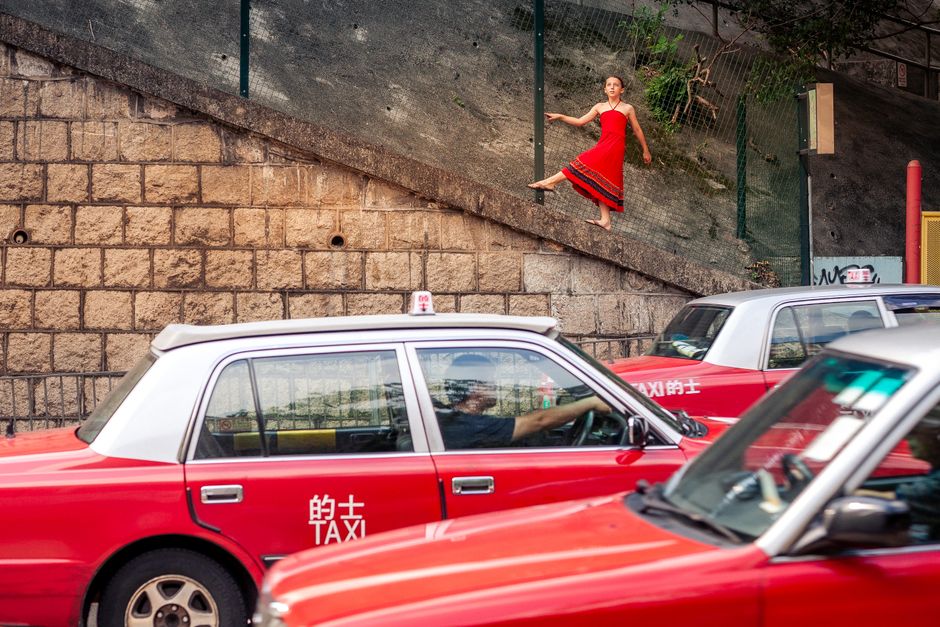
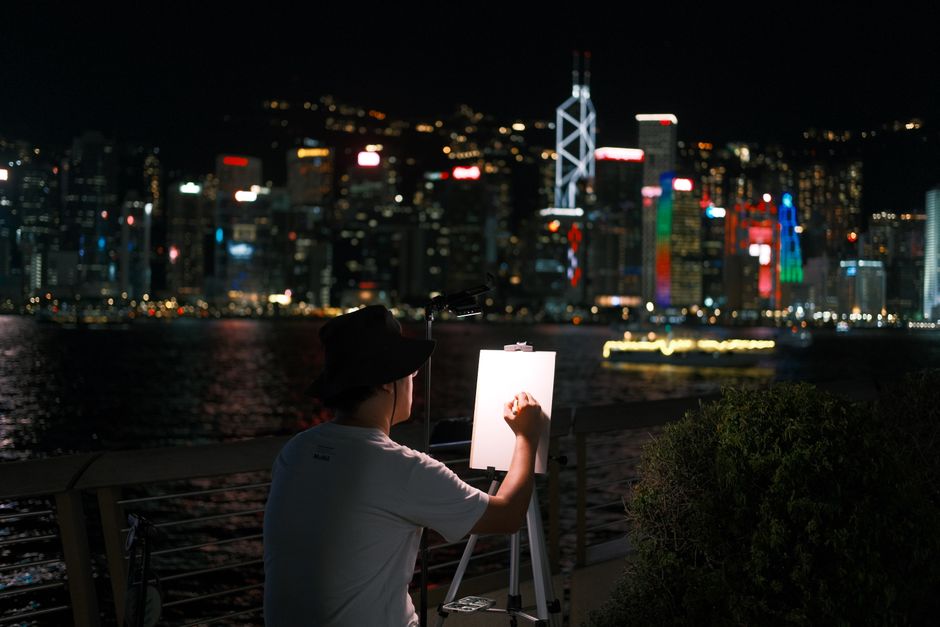
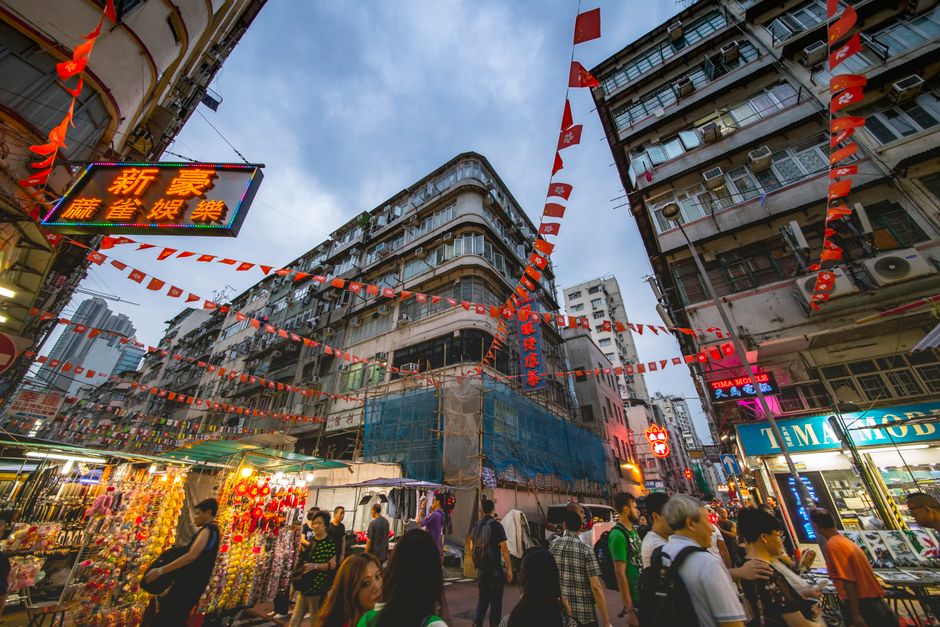
Walk through the narrow alleyways of Sham Shui Po on any given weekend, and you'll find makeshift performance spaces tucked above noodle shops and inside converted warehouses. These aren't accidents of urban geography—they're the beating heart of a cultural revolution that's quietly reshaped Hong Kong's theatre and performing arts scene over the past three years.
The shift is tangible. Where Hong Kong's performance culture once centred almost exclusively on the Hong Kong Arts Festival and major venues like the Hong Kong Cultural Centre in Tsim Sha Tsui, a decentralised ecosystem has emerged. Independent collectives and artist-run spaces now account for an estimated 40% of theatrical productions staged across the city, according to informal surveys by the Association of Hong Kong Performing Arts. Ticket prices have plummeted accordingly—experimental theatre productions regularly sell for HK$80-150, compared to HK$300-600 at traditional venues.
Organisations like those operating from Cattle Depot Artist Village in To Kwa Wan have become unlikely epicentres, hosting intimate productions that tackle politically sensitive and socially marginalised narratives. The Kowloon Bay district has similarly transformed, with artist collectives converting industrial spaces into performance labs. Meanwhile, community theatre initiatives in neighbourhoods like Chai Wan and Tseung Kwan O have democratised access to the arts, particularly for working-class audiences previously priced out of cultural participation.
This movement reflects deeper frustrations. Younger artists and audiences have grown weary of what they perceive as gatekeeping by established institutions. The rise of Cantonese-language experimental work—often addressing local political consciousness, identity, and intergenerational tension—represents a conscious rejection of the English-centric, often imported programming that dominated institutional theatres.
The pandemic accelerated this shift. Lockdowns and venue closures forced artists to innovate: pop-up performances, site-specific installations, and digital collaborations flourished in the vacuum. Many never migrated back to traditional frameworks. Today's theatre-goers increasingly expect immersive, participatory experiences rather than passive consumption from velvet seats.
What's remarkable is the ecosystem's resilience despite minimal government subsidies directed toward independent venues. Artist collectives operate largely on volunteer labour, crowdfunding, and modest commercial income—yet they've attracted audiences that rival, and sometimes exceed, those of funded institutions.
Hong Kong's theatre renaissance isn't happening on Des Voeux Road. It's happening in the city's overlooked pockets, powered by artists determined to reclaim cultural production from above.
This article was compiled by AI from the sources linked above and screened before publishing. See our editorial standards.