From Underground Warehouses to Sold-Out Shows: How Hong Kong's Live Music Scene Was Built by Misfits and Dreamers
The visionaries who transformed cramped Lan Kwai Fong basements and Sheung Wan lofts into a thriving live entertainment ecosystem reveal how persistence, not luck, created Hong Kong's modern music culture.
This article was generated by AI from the linked public sources. The Daily Hong Kong is independently owned and covers Hong Kong news free from advertiser or sponsor influence. Read our editorial standards →
On a humid Friday night in Lan Kwai Fong, a 400-capacity venue pulses with the kind of energy that feels inevitable in retrospect—but took two decades of stubborn belief to create. Today's Hong Kong live music scene, which generates an estimated HK$800 million annually and attracts international acts from Coldplay to Tyler, the Creator, emerged not from top-down planning but from the vision of musicians, promoters, and venue operators who refused to accept that the city was purely a financial hub.
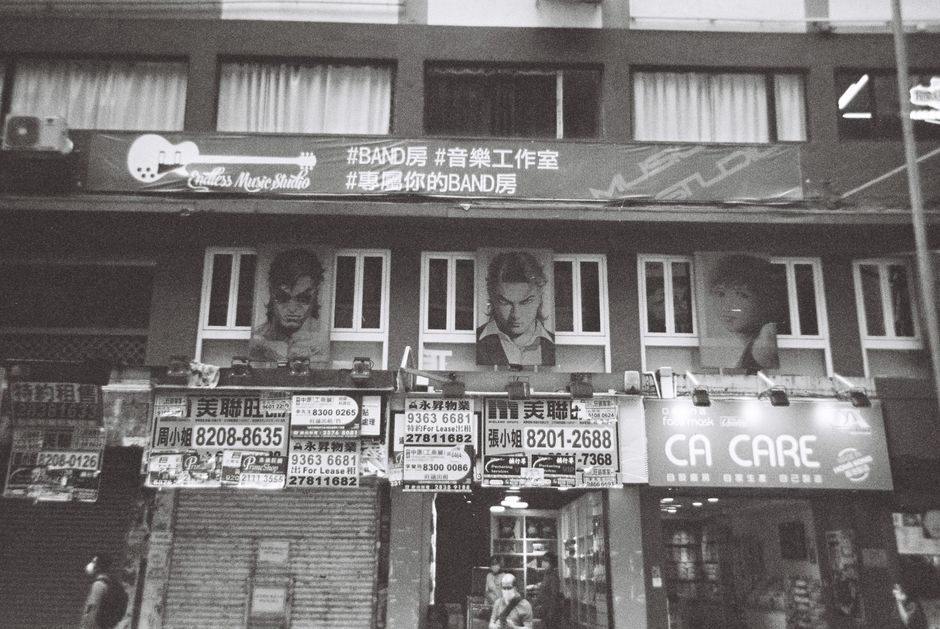
The infrastructure that now exists—venues like Kitec in Sheung Wan, performance spaces scattered across Mong Kok, and mid-sized theatres in Wong Chuk Hang—represents a fundamental shift in how Hong Kong sees itself culturally. Yet few recognise the architects of this transformation. In the early 2000s, live music venues operated in legal grey zones, often in converted industrial spaces where fire codes were suggestions and neighbours complained about noise at 10 p.m.
The turning point came through unglamorous work: venue operators negotiating with landlords in Central and Sheung Wan, musicians investing their own money into sound systems, and local promoters building audiences show by show in spaces that could hold maybe 150 people. The Hong Kong Live Music Association, established informally through grassroots networks, advocated for regulatory clarity rather than the shutdown-and-relocate cycle that plagued earlier venues.
By the mid-2010s, the landscape shifted. Larger operators recognised the market opportunity. The 3,500-capacity AsiaWorld Expo began hosting international tours regularly. Mid-tier venues proliferated. Ticket prices stabilised around HK$200–500 for local acts, HK$600–2,000 for international artists. The Hong Kong government's 2017 cultural development strategy finally acknowledged live music as a legitimate cultural pillar worthy of space allocation and tax incentives.
Today's success obscures the precarity that underpins it. Venue operators still navigate razor-thin margins—the live music industry employs roughly 2,000 people across Hong Kong, many freelance. Rising rents continue to squeeze independent venues. The cost of importing equipment and the city's limited rehearsal space remain structural challenges.
Yet walk through Lan Kwai Fong on any night, or check the packed schedule at smaller venues in Mong Kok, and you witness the legacy of people who bet on culture when spreadsheets suggested they shouldn't. That infrastructure—those relationships, those spaces, that belief—remains the real story behind every sold-out show.
This article was compiled by AI from the sources linked above and screened before publishing. See our editorial standards.
Covering culture in Hong Kong. This article was generated by AI from the linked sources and was not reviewed by a human editor before publishing. See our editorial standards.