Walk through the narrow lanes of Hollywood Road these days and you'll notice something shifting beneath Hong Kong's gleaming surface. Between the antique shops and galleries that have anchored this neighbourhood for decades, new creative spaces are emerging—artist collectives, independent bookshops, and heritage-focused venues that treat local history not as nostalgia, but as a living, breathing resource for contemporary culture.
This phenomenon reflects a broader awakening across the city. The M+ museum's recent exhibitions exploring Hong Kong's postwar design renaissance, coupled with the Hong Kong Heritage Museum's expanded programming around everyday material culture, have legitimised what was once dismissed as purely antiquarian interest. But the real energy lies in grassroots initiatives. Organisations like the Hong Kong Design Centre and smaller collectives working in Sham Shui Po—where industrial heritage coexists with cutting-edge artist studios—are demonstrating that cultural identity isn't handed down from institutions alone.
The numbers tell a story. Since 2020, applications for heritage conservation grants through the Civil Heritage Trust have increased by roughly 40%, with a notable rise in projects focused on neighbourhood-level history rather than grand monuments. Young curators and creatives increasingly cite local history as their conceptual foundation. Gallery openings in areas like Tai Hang and North Point now frequently feature work examining the city's rapid transformation, often displayed in converted tenement buildings that are themselves part of that narrative.
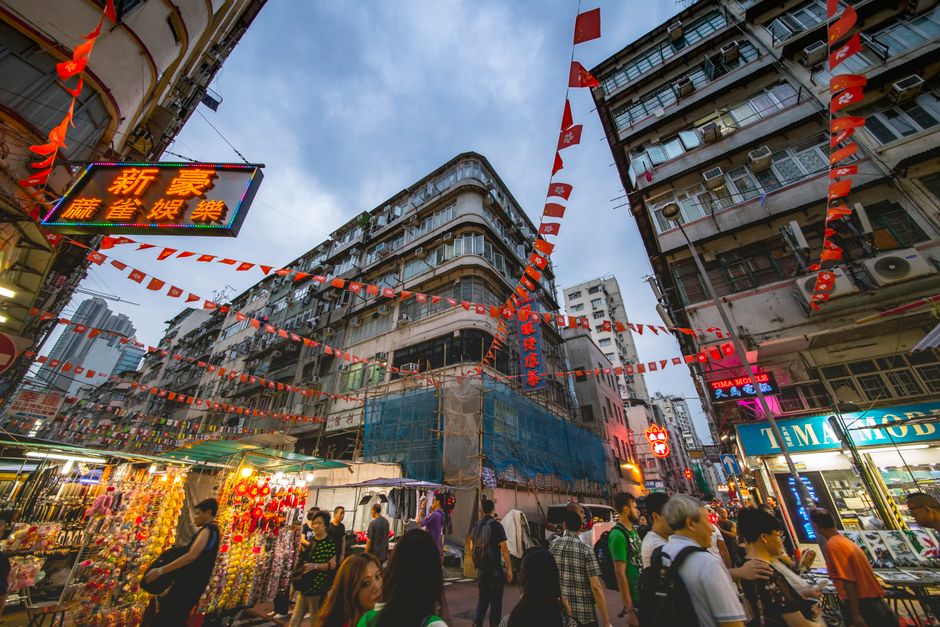
What's particularly striking is how this heritage consciousness is reshaping aesthetic choices. Contemporary Hong Kong design—from fashion to graphic design—increasingly incorporates references to vintage signage, traditional craftsmanship techniques, and urban typography drawn from mid-century street culture. Last year's Hong Kong Design Week featured multiple installations interrogating the visual language of 1970s-80s Kowloon, demonstrating how historical awareness feeds directly into creative production.
This isn't uniformly celebratory. Tensions persist between preservation and development, between who gets to narrate the city's story. Yet the emergence of independent digital archives, oral history projects led by community groups, and the popularity of heritage-focused social media accounts suggest a democratisation of cultural authority. Younger Hongkongers seem less interested in accepting official narratives wholesale, instead constructing their own understanding of identity through local material culture and neighbourhood histories.
As the city navigates its geopolitical complexities, this inward focus on heritage and creative identity offers something unexpected: a form of cultural self-determination that operates quietly, locally, and persistently—less concerned with international validation than with understanding who Hong Kong has been, and therefore who it might become.
This article was compiled by AI and screened before publishing. See our editorial standards.