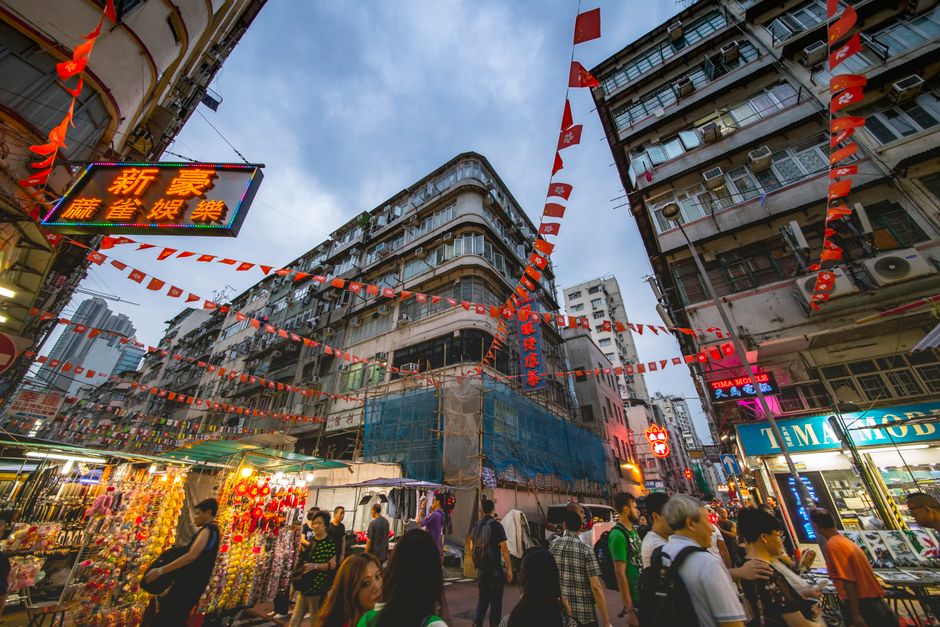
Walk through the narrow lanes of Sheung Wan on a Friday evening and you'll encounter something distinctly different from the gleaming flagship stores of Central. Inside cramped studio spaces and converted warehouses, a new generation of Hong Kong designers is quietly orchestrating a cultural shift—one that prioritises creative autonomy, sustainability, and community over the city's traditional status-symbol fashion ecosystem.
The momentum has become impossible to ignore. Project House, the independent fashion collective based in a converted industrial space near Western Market, has grown its membership from twelve designers in 2023 to over sixty today. Similarly, the PMQ (Police Married Quarters) creative hub in Central, once a symbol of heritage preservation, now hosts more than thirty fashion-related studios and pop-up showrooms, attracting an estimated 50,000 monthly visitors seeking alternatives to mainstream retail.
What distinguishes this movement is its deliberate community focus. Designers like those participating in the Sheung Wan Creative District initiative are organising monthly open studios, hosting collaborative workshops priced between HK$200-400, and actively mentoring emerging talent through platforms like the Hong Kong Designers Association's grassroots programme. These aren't isolated individuals; they're a networked community.
The economics tell a story too. The Creative Industries sector contributed HK$155 billion to Hong Kong's GDP in 2024, with fashion and design accounting for roughly 18% of that figure. Yet independent designers operating from converted residential spaces often work with margins half those of established luxury retailers, investing profits directly back into their communities rather than parent corporations.
What's driving this shift? Partly, it's generational. Younger Hong Kong designers educated at local institutions like Polytechnic University's School of Design, and increasingly influenced by global movements around slow fashion and digital independence, are rejecting the copycat luxury model their predecessors relied upon. Social media has democratised brand-building; a compelling Instagram narrative and direct-to-consumer model can now rival traditional distribution networks.
Equally significant is the physical reclamation of space. Initiatives like the Sai Ying Pun Community Centre's fashion incubator programme have transformed underutilised neighbourhoods into creative hubs. Rent remains substantially cheaper than Central retail, yet foot traffic from the design-conscious community continues climbing.
This isn't anti-establishment rebellion; it's structural reimagining. By building genuine communities around creativity rather than consumption, Hong Kong's independent fashion designers are quietly redefining what the city's creative identity means—and proving that sustainability and authentic cultural expression can be just as valuable as luxury credentials.
This article was compiled by AI from the sources linked above and screened before publishing. See our editorial standards.