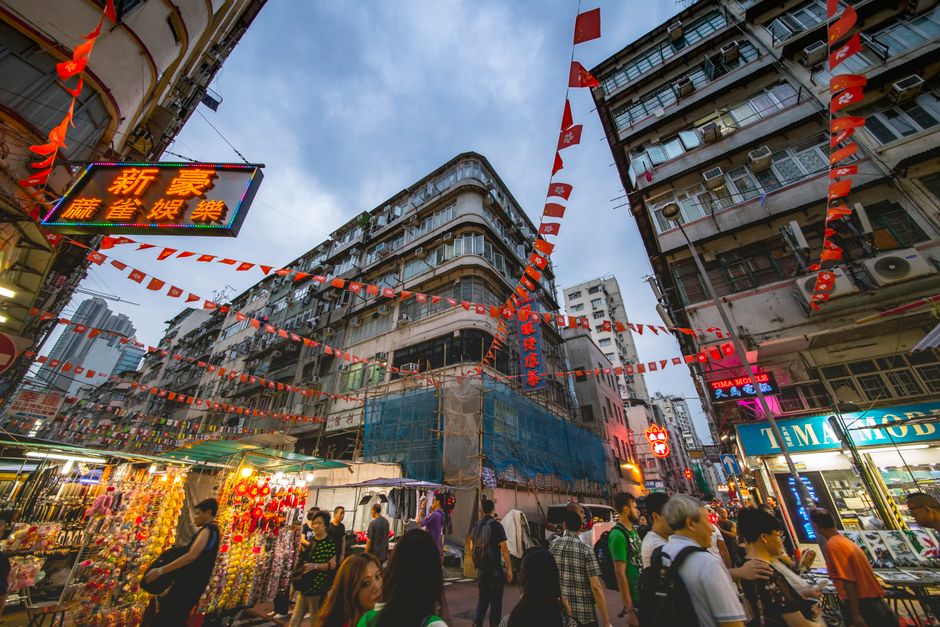
Walk through the backstreets of Sham Shui Po on a Saturday afternoon and you'll find something that didn't exist five years ago: a thriving ecosystem of heritage activists, artists, and educators determined to preserve the stories that official histories overlook.
The shift is unmistakable. Organisations like the Kowloon Walled City Museum—now relocated to a modest storefront near the original site—have become cultural anchors, drawing crowds in their hundreds. Meanwhile, neighbourhood-led initiatives in Wong Tai Sin, Yau Ma Tei, and Kennedy Town are mapping oral histories, documenting vernacular architecture, and challenging the narrative that Hong Kong's heritage begins and ends with colonial landmarks and mid-rise apartment blocks.
"People were tired of waiting for institutions to tell their stories," explains the reality on the ground: community groups conducting walking tours through Kennedy Town's industrial past now attract visitors willing to pay 200-300 HKD for a two-hour session exploring postwar manufacturing heritage. The Tai Kwun Centre for Heritage has expanded its community programmes fivefold since 2023, reflecting surging local interest in documenting working-class neighbourhoods before gentrification erases them entirely.
What's driving this movement? Partly generational. A cohort of Hong Kongers in their 30s and 40s—many educated abroad, many grappling with identity questions in an uncertain political climate—are turning to local history as a form of cultural anchoring. They're publishing zines in independent bookshops along Apliu Street, hosting documentary screenings in community centres, and recruiting residents to contribute photographs and memories to crowdsourced archives.
The economics matter too. Heritage tourism, once dismissible as niche, has become commercially viable. Last year, visitor numbers to neighbourhood heritage sites grew 40 percent annually, according to informal tourism surveys. Small businesses—heritage-themed cafés, vintage bookstores, craft studios—are clustering in rediscovered heritage zones, creating new economic ecosystems around cultural preservation.
Yet tension simmers beneath. Rapid gentrification threatens the very communities whose stories activists are racing to document. Property developers eye heritage neighbourhoods with calculating interest. The government's competing visions for heritage development don't always align with grassroots priorities.
Still, something has shifted. Ordinary Hongkongers are no longer passive consumers of heritage narratives handed down by institutions. They're authoring their own stories, reclaiming their own streets, and insisting that a city's identity isn't determined by its tallest buildings but by the lived experiences of those who built them.
This article was compiled by AI from the sources linked above and screened before publishing. See our editorial standards.