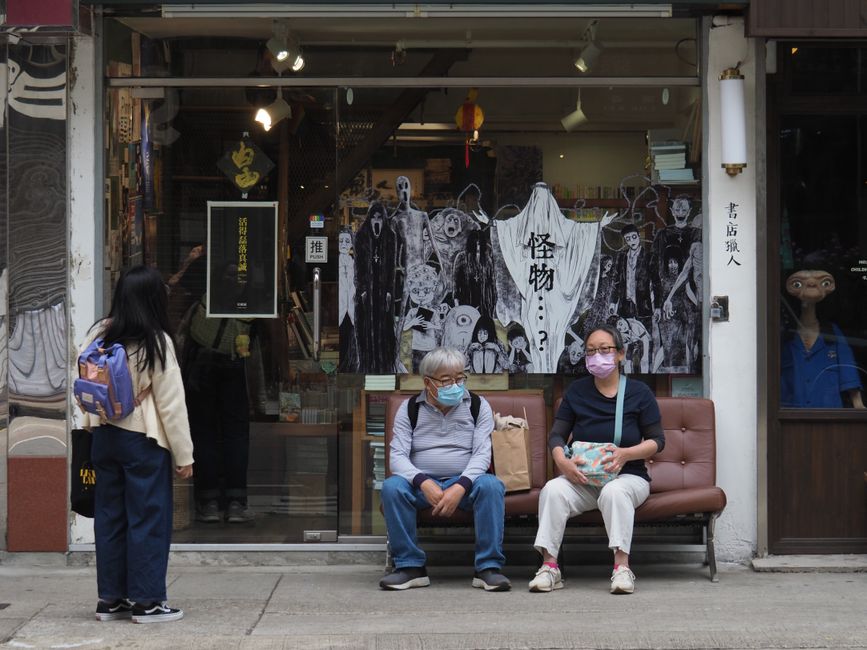
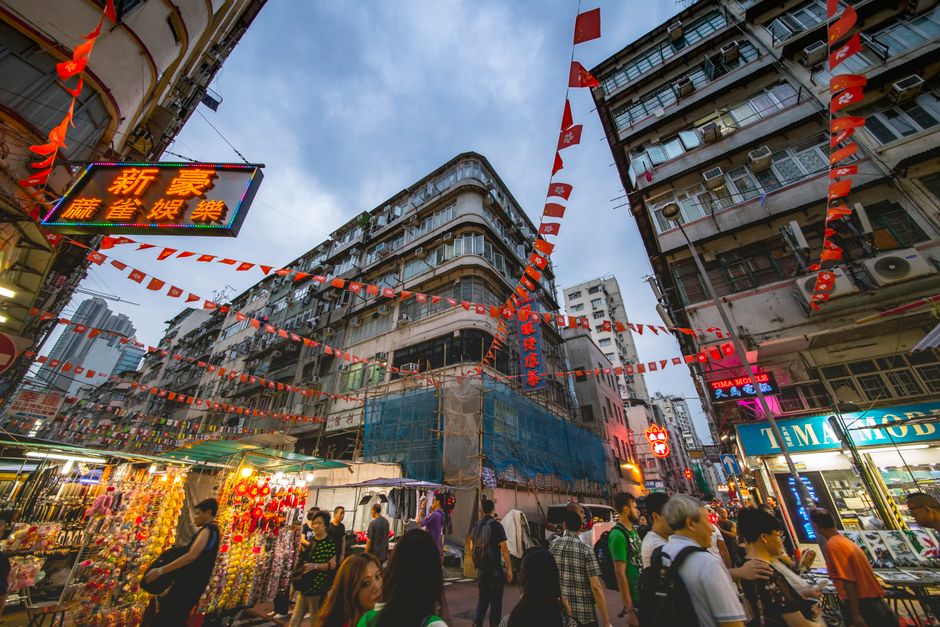
Walk down Gage Street in Central on any given weekend, and you'll notice something has shifted. Between the heritage colonial buildings and high-end flagship stores, smaller gallery entrances now pulse with activity—not the hushed reverence of traditional museums, but the animated chatter of locals engaging with contemporary work at eye level, often for free.
This transformation reflects a broader movement reshaping Hong Kong's cultural landscape. While the M+ in West Kowloon and the Hong Kong Museum of Art continue to draw crowds, a parallel ecosystem of artist-run spaces, independent galleries, and pop-up collectives has emerged, particularly across Sheung Wan, Sham Shui Po, and Wong Chuk Hang. These grassroots initiatives are fundamentally changing who gets to see art, and who gets to make it.
The shift gained momentum post-2020, driven by younger curators and artists seeking autonomy from institutional gatekeeping. Spaces like those clustered around Hollywood Road's mid-range stretches have moved beyond commercial imperatives. Many operate on sliding-scale entry—HK$50 to HK$150 for exhibitions, or donation-based—making culture accessible beyond Hong Kong's wealthy enclaves. Some host artist talks, workshops, and community dinners that fuse cultural programming with genuine civic engagement.
Sham Shui Po, long dismissed as merely commercial and industrial, has become particularly emblematic of this shift. The neighbourhood's affordable studio rents have attracted artist collectives who've transformed shipping containers and warehouse spaces into thriving creative hubs. Local residents, many elderly or working-class, now encounter contemporary art as part of their everyday landscape—not something requiring travel to premium districts or ticket prices exceeding HK$200.
What distinguishes this movement from earlier gallery culture isn't merely aesthetics or access. It's the deliberate centering of community voice in curation decisions. Many collectives operate horizontally, with decisions made collectively rather than by individual gallerists or institutional boards. They prioritize local artists historically underrepresented in major exhibitions—emerging Hong Kong practitioners, diaspora voices, and work engaging with pressing local concerns from housing to environmental justice.
The establishment hasn't ignored this energy. Major institutions have begun expanding satellite programming and community partnerships, though some worry about tokenistic engagement masking structural inequities.
Whether this grassroots momentum sustains depends partly on factors beyond artists' control: real estate pressures continue threatening affordable studio space, while rising operating costs challenge volunteer-dependent collectives. Yet the movement has already achieved something significant—proving that Hong Kong's cultural vitality extends far beyond the city's most prestigious addresses, thriving instead in the hands of those most committed to sharing it.
This article was compiled by AI from the sources linked above and screened before publishing. See our editorial standards.