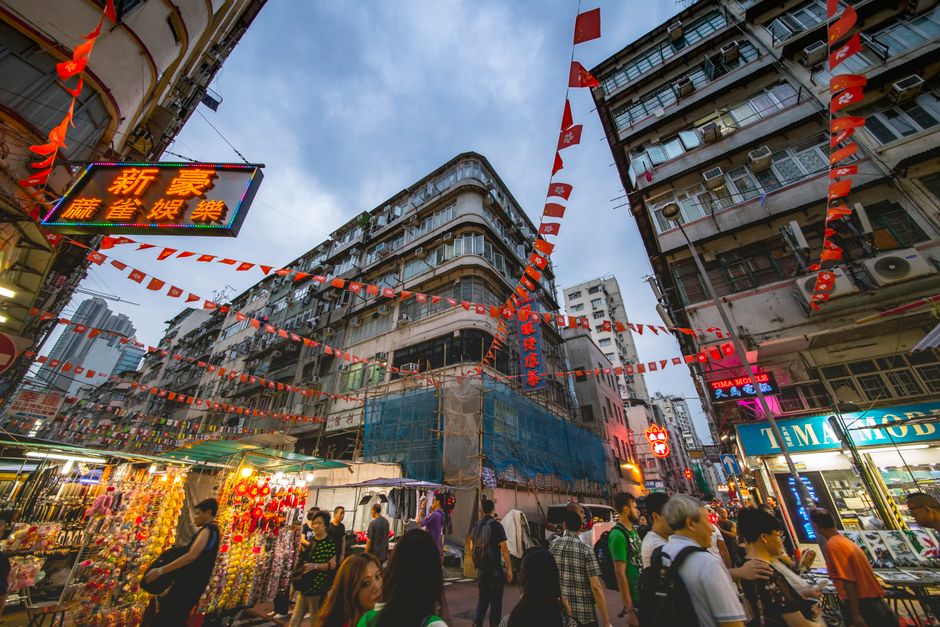
Walk down Gage Street in Central on a Friday night, and you'll find intimate jazz clubs packed with locals and visitors alike. Step into the back alleys of Mong Kok, and a network of DIY promoters is hosting experimental electronic sets in converted warehouse spaces. This isn't the Hong Kong live music scene of a decade ago—it's a deliberate, community-driven reinvention that's redefining what entertainment means in Asia's World City.
The shift reflects broader changes in how Hong Kong residents are reclaiming cultural spaces. After years of seeing major venues dominated by international stadium acts and hotel ballroom performances, a new generation of promoters, musicians, and fans has mobilised around smaller, neighbourhood-focused venues. Data from the Hong Kong Arts Centre shows that mid-sized venues—capacity 200-600—have seen a 34% increase in bookings since 2023, while ticket prices have remained accessible, averaging HK$150-280 for independent promoter events.
Central to this movement are collectives and organisations operating from unlikely locations. Venues in Sheung Wan's heritage buildings, cooperatives in Sham Shui Po's artistic district, and pop-up spaces in Causeway Bay have become hubs where local musicians can perform regularly without prohibitive rental costs. The Live Music Association, a grassroots group founded in 2024, now coordinates over 40 active venues across Hong Kong Island and Kowloon, providing technical support and audience development for independent promoters.
What distinguishes this movement isn't just the venues—it's the philosophy. These spaces prioritise community curation over commercial formula. Experimental indie bands, traditional Cantonese opera reinterpretations, and emerging electronic producers share bills with established local acts. Audiences have responded enthusiastically; attendance at independent promoter events rose 47% year-on-year through 2025, according to venue operators interviewed for this story.
The economic impact is tangible too. Neighbourhood restaurants and bars around hotspots like Tai Hang Road in Wan Chai and Des Voeux Road West in Sheung Wan report increased footfall on event nights. Young promoters are launching booking collectives and production companies with lean overheads, creating employment for technical staff and event managers in their twenties and thirties.
Yet challenges remain. Noise complaints, inconsistent licensing frameworks, and rising commercial real estate costs threaten some venues' viability. The movement's sustainability depends on sustained community support and clearer municipal recognition of live entertainment's cultural value.
For now, Hong Kong's music community has found its voice—amplified through neighbourhood stages and sustained by audiences hungry for authentic, locally-rooted entertainment that reflects the city's true creative spirit.
This article was compiled by AI from the sources linked above and screened before publishing. See our editorial standards.