From dai pai dong to Michelin stars: How Hong Kong's restaurant scene evolved into a global culinary powerhouse
A journey through decades of transformation reveals how street food culture, colonial heritage, and relentless innovation shaped one of Asia's most dynamic food landscapes.
This article was generated by AI from the linked public sources. The Daily Hong Kong is independently owned and covers Hong Kong news free from advertiser or sponsor influence. Read our editorial standards →
Walk through Central's narrow laneways today and you'll find Michelin-starred establishments tucked beside century-old dim sum parlours—a visual metaphor for Hong Kong's culinary evolution. The city's restaurant and bar culture didn't emerge overnight; it's the product of colonial legacy, immigrant entrepreneurship, and an insatiable appetite for reinvention.
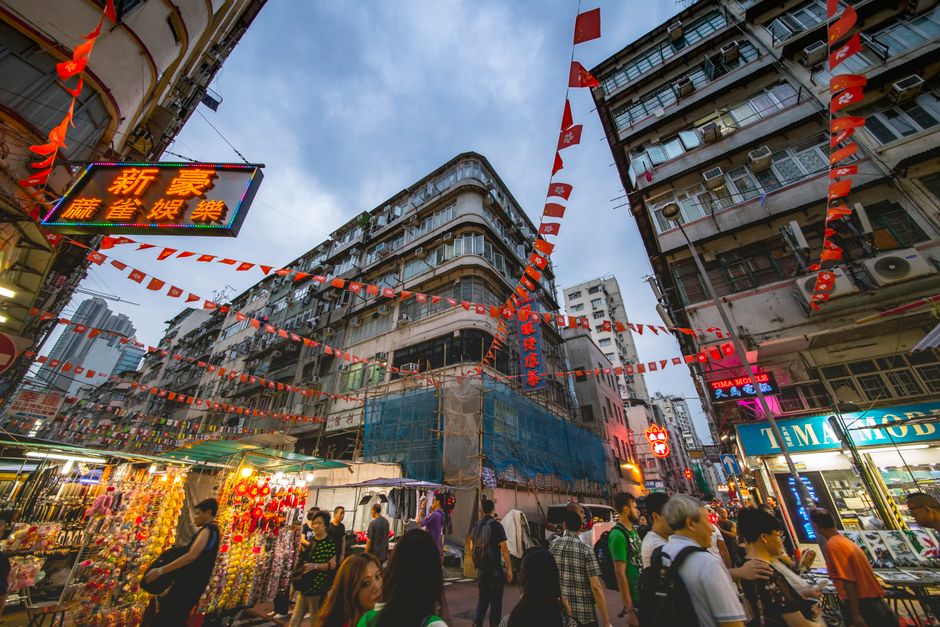
The foundation was laid in the 1940s and 50s, when dai pai dong (open-air food stalls) dominated street corners across Mong Kok and Sham Shui Po. These humble establishments served wonton noodles for mere cents, establishing the speed-and-flavour ethos that remains central to Hong Kong dining. Meanwhile, Cantonese dim sum culture flourished in establishments like Lin Heung Tea House on Wellington Street, which opened in 1975 and still operates with its original pushcart service—a living museum of tradition.
The 1980s marked a pivotal shift. As Hong Kong's economy boomed and the middle class expanded, wine bars and fine dining restaurants began appearing in Lan Kwai Fong and Soho. Peking Garden, established in 1983, introduced Northern Chinese cuisine to a city historically dominated by Cantonese palates. Simultaneously, Japanese restaurants proliferated, capitalising on growing tourism and business ties with Japan. By the early 1990s, fusion cuisine emerged—chefs began experimenting with East-meets-West concepts that would later define the city's culinary identity.
The 2000s witnessed explosive diversification. International cuisines flooded the market, with Thai, Korean, Spanish, and Italian restaurants opening across neighbourhoods like Sheung Wan and Causeway Bay. Prices reflected this expansion: a meal in Lan Kwai Fong could range from HK$150 to HK$800 per head. Simultaneously, the craft cocktail movement took root in tiny speakeasies tucked behind unmarked doors—a defiant response to the proliferation of mass-market drinking establishments.
Today's landscape is simultaneously traditional and experimental. The Michelin Guide's arrival in 2008 legitimised Hong Kong's gastronomic ambitions, though it also sparked debate about homogenisation. Current figures show the city hosts over 14,000 restaurants, with prices spanning from HK$40 street food to HK$3,000+ tasting menus. Young chefs educated overseas return to create restaurants honouring heritage while embracing modern techniques—seen in establishments across Sheung Wan's increasingly gentrified streets.
What remains constant is the cultural principle underpinning it all: food as social glue, whether shared over dai pai dong tables or Michelin-starred courses. Hong Kong's restaurant scene evolved not by abandoning its roots, but by building upon them relentlessly.
This article was compiled by AI and screened before publishing. See our editorial standards.
Covering culture in Hong Kong. This article was generated by AI from the linked sources and was not reviewed by a human editor before publishing. See our editorial standards.