How Grassroots Collectives Are Reshaping Hong Kong's Festival Calendar
Beyond the corporate galas and government-backed events, a new wave of independent organisers is reclaiming public spaces and redefining what cultural celebration means in the city.
This article was generated by AI from the linked public sources. The Daily Hong Kong is independently owned and covers Hong Kong news free from advertiser or sponsor influence. Read our editorial standards →
Walk through Central on any given weekend and you'll notice something shifting. The gleaming concert halls and five-star ballrooms that once monopolised Hong Kong's event calendar are no longer the only venues shaping cultural conversation. Instead, a network of community-driven collectives is quietly revolutionising how the city celebrates itself—transforming car parks into art installations, converting heritage buildings into experimental music venues, and reclaiming waterfront promenades for neighbourhood festivals that feel genuinely rooted in local identity.
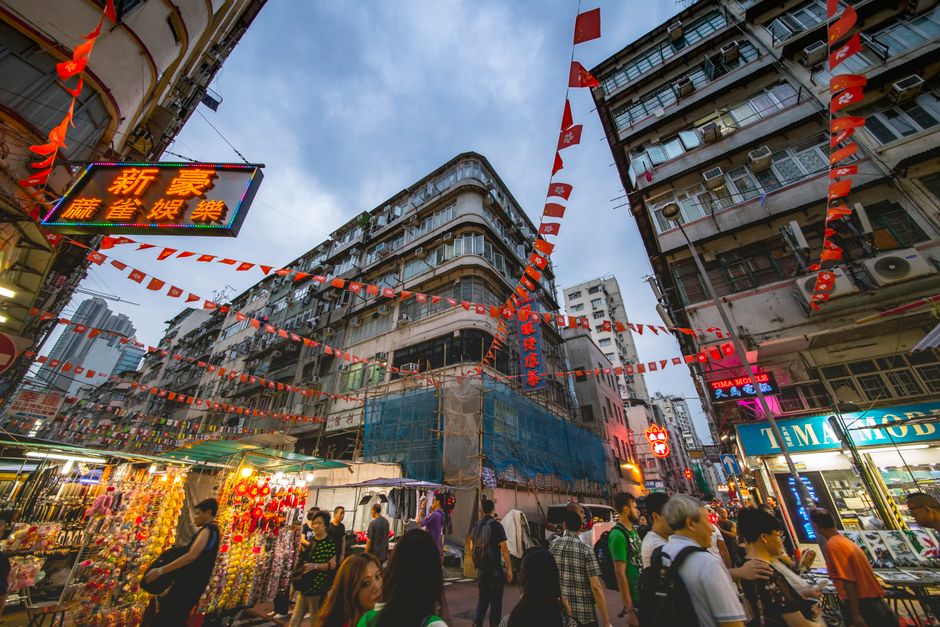
This grassroots movement gained momentum over the past two years, driven largely by younger organisers frustrated with the gatekeeping of traditional cultural institutions. Groups like the Sham Shui Po Creative District Alliance and the emerging collective based around Wong Chuk Hang's industrial spaces have begun orchestrating events that deliberately sidestep the luxury hotel circuit. Their Summer Streetscape Festival series, which debuted last year across Mong Kok and Causeway Bay, drew over 40,000 attendees at minimal cost—a stark contrast to the HK$800-plus ticket prices that characterise establishment festivals.
What makes this shift genuinely significant is its accessibility logic. Events organised by groups affiliated with the Kowloon Bay Cultural Hub Initiative consistently price workshops and performances between HK$50-150, deliberately anti-exclusionary. The Tai Hang Fire Dragon Festival, though historically rooted, has been reimagined by younger volunteers who've expanded programming to include hip-hop performances and electronic music sets alongside traditional lion dances—attracting demographics previously untouched by heritage celebrations.
Data tells this story compellingly. According to a recent survey by the Hong Kong Cultural Centre, attendance at independent cultural events rose 67 percent between 2024 and 2026, while bookings at traditional venues plateaued. The shift isn't merely about attendance figures; it represents a philosophical reorientation. These organisers aren't seeking to replace established institutions but to create parallel ecosystems where cultural expression feels less curated and more participatory.
The infrastructure supporting this movement remains fragile. Most collectives operate with volunteer labour and cobbled-together funding from small business sponsorships and crowdfunding. Yet venues like the Jockey Club Creative Arts Centre in Sha Tin and non-traditional spaces across Sai Ying Pun have become incubators for experimentation that Hong Kong's rigid institutional framework rarely permits.
As summer unfolds into autumn, the festival calendar reflects this tectonic shift. Beyond the predictable Arts Festival programming, community groups have locked in over thirty grassroots celebrations. They're imperfect, sometimes chaotic, occasionally under-resourced—but they're genuinely reshaping who gets to define Hong Kong's cultural identity, and who gets invited to the conversation.
This article was compiled by AI from the sources linked above and screened before publishing. See our editorial standards.
Covering culture in Hong Kong. This article was generated by AI from the linked sources and was not reviewed by a human editor before publishing. See our editorial standards.