Threading the Past: What Visitors Must Know About Hong Kong's Living Heritage
From colonial-era landmarks to working temples and heritage neighbourhoods, understanding Hong Kong's cultural layers transforms any visit.
3 min read
Updated 10 h ago
From colonial-era landmarks to working temples and heritage neighbourhoods, understanding Hong Kong's cultural layers transforms any visit.
3 min read
Updated 10 h ago
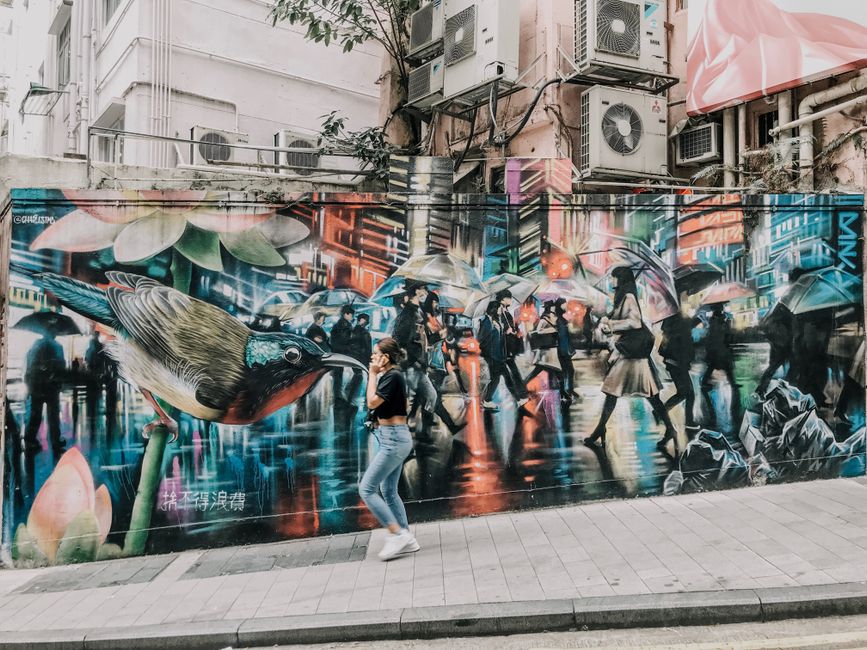
Hong Kong's identity defies easy categorisation. Squeezed between East and West, ancient and ultra-modern, the city wears its contradictions visibly—and that's precisely what makes exploring its heritage so compelling for visitors. Understanding the threads that weave through this place isn't optional tourism; it's essential to grasping what Hong Kong actually is.
Start in Central, where the Star Ferry Terminal—operational since 1888—remains the gateway to the harbour. But venture beyond the postcard views. Hollywood Road and the adjoining lanes of Sheung Wan contain galleries, antique shops, and the centuries-old Man Mo Temple (established 1847), where coiled incense hangs overhead like frozen time. The temple remains a functioning religious space, not a museum piece, which matters enormously. This distinction defines Hong Kong's approach to heritage: sites are lived-in, working spaces layered with contemporary meaning.
The distinction becomes clearer in Kowloon's Mong Kok, where the 120-year-old Chungking Mansions stands—a seven-storey relic packed with guesthouses, curry restaurants, and South Asian communities. Officially a historic building since 2010, it resists romanticisation. It's chaotic, commercial, and utterly authentic. Visitors expecting curated heritage experiences often feel uncomfortable here, which is precisely the point: real cultural identity isn't always photogenic.
For more formal understanding, the Hong Kong Heritage Museum in Sha Tin (entry: HK$10 for permanent exhibitions) offers contextual depth about Cantonese opera, folk customs, and the city's transformation from fishing village to financial hub. The Tea Ware Museum in Causeway Bay's Victorian-era Flagstaff House provides intimate access to how aesthetics shaped daily life across centuries.
Don't miss the tong lau (traditional Chinese shop-houses) clustered around Tai O on Lantau Island—stilted fishing villages where heritage isn't historical but infrastructural. Similarly, the walled village of Kat Hing Wai in the New Territories demands a visit, though permission from residents is courteous.
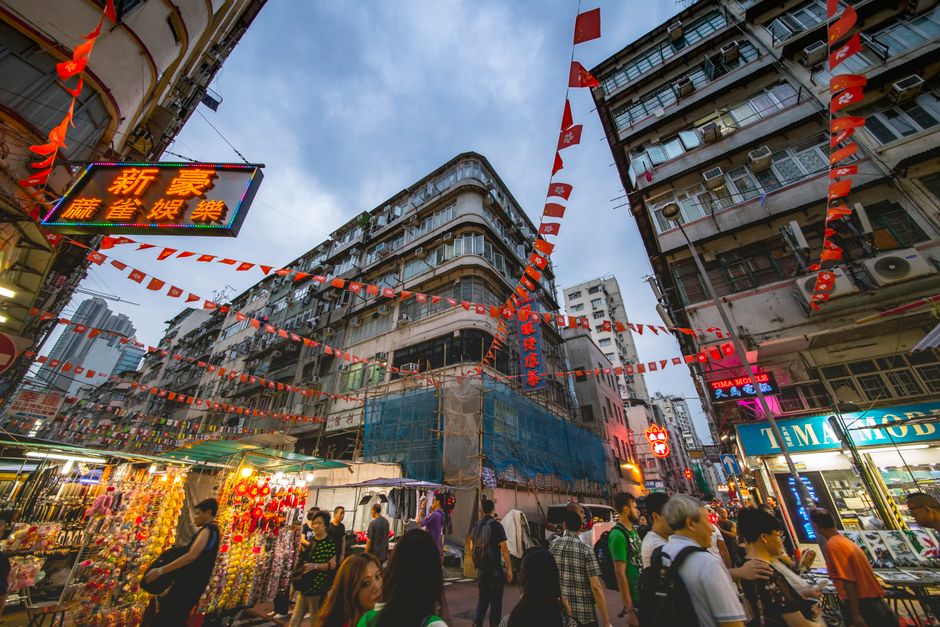
The critical insight visitors should absorb: Hong Kong's heritage thrives precisely because it hasn't been entirely museumified. Markets still operate as they did decades ago. Dai pai dong (open-air food stalls) in places like Mak Chor Market remain working-class institutions, not heritage attractions retrofitted for tourists. The Peak Tram (HK$42 return) offers vistas, certainly, but the real narrative unfolds in the neighbourhoods below—Temple Street Night Market's fortune tellers, the dim sum parlours where Cantonese remains the lingua franca, the handwritten menus in family-run restaurants.
Understanding Hong Kong means recognising that heritage and modernity aren't in opposition here. They're negotiating partners, constantly reshaping each other. That's the story worth understanding.
This article was compiled by AI from the sources linked above and screened before publishing. See our editorial standards.
About this article
Published by The Daily Hong Kong
Spread the word
Daily brief
Free, in your inbox before 7am. Weekdays.
Before you go
The day's Hong Kong news in a 2-minute read. Free, weekday mornings.