Hong Kong's restaurant culture is a living archive of the city itself—a collision of Cantonese tradition, British colonial legacy, and relentless global ambition. For visitors arriving in 2026, understanding the landscape requires more than a reservation app; it demands familiarity with how locals actually eat.
Start with the foundational truth: dim sum remains the city's spiritual centre. The morning ritual of yum cha—literally "drink tea"—continues across the territory, though the format has evolved. Traditional trolley service persists in established haunts like Jing Fong in Central, where carts still weave between tables of multigenerational families. But increasingly, diners order from laminated menus or QR codes. Expect to spend HK$50–150 (USD $6–19) per person for a proper session. The etiquette matters: tap the table twice with your fingers as a silent thank you when teapots are refilled.
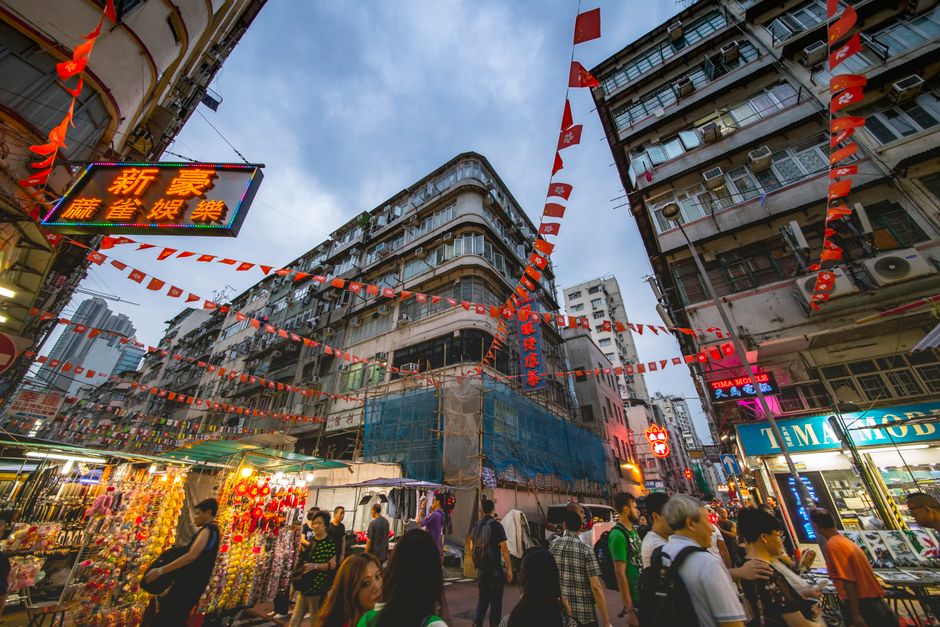
Kowloon's Temple Street precinct remains essential for street food tourism. Night market energy peaks after 7pm, when vendors selling stall skewers, fishballs, and egg waffles transform cramped alleyways into sensory theaters. Prices are genuinely modest—HK$15–40 for most items—making it the city's most democratic dining experience.
For fine dining, Hong Kong maintains its Michelin presence with rigour. The 2025 guide recognised 68 starred establishments. But the real discovery lies in mid-range neighbourhood spots: the noodle bars of Sham Shui Po, the seafood restaurants clustered around Lei Yue Mun fishing village on the eastern waterfront, the dai pai dong (open-air food courts) still operating from Causeway Bay to Mong Kok.
One critical adjustment for visitors: booking culture differs markedly from Western cities. Walk-ins remain viable at most establishments, even upmarket ones, particularly outside peak hours (2–5pm lunch, 10pm–late dinner). The city's no-reservation culture persists despite gentrification.
Neighbourhood orientation matters enormously. Central and Admiralty cater to expense-account dining; Sheung Wan offers independent experimentation; Sham Shui Po delivers authenticity at volume; Stanley's waterfront restaurants prioritise views over innovation. Cross the harbour deliberately—Kowloon's dining density often surpasses Hong Kong Island's.
Finally, understand that Hong Kong dining transcends restaurants. dai pai dong, wet markets with noodle counters, and 24-hour cha chaan tengs (Hong Kong-style cafés) represent the city's true gastronomic backbone. These spaces—often overlooked by guidebooks—carry the city's actual eating patterns and remain affordable even in 2026.
This article was compiled by AI and screened before publishing. See our editorial standards.