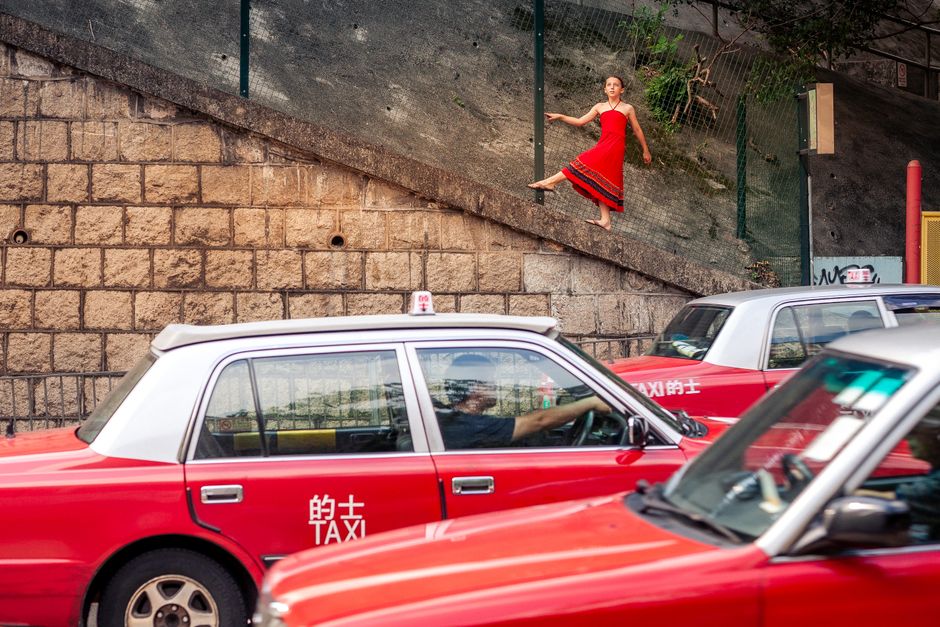
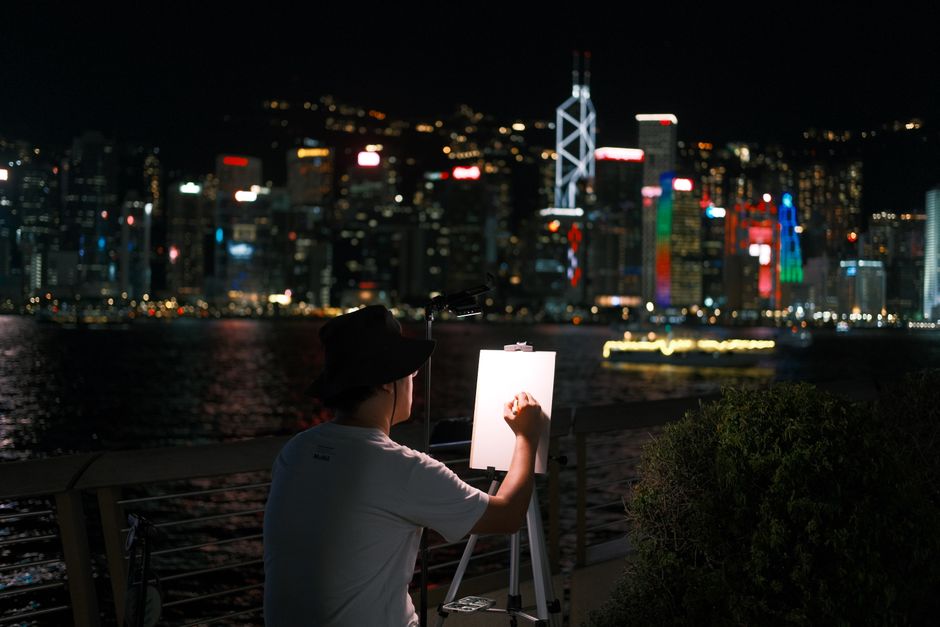
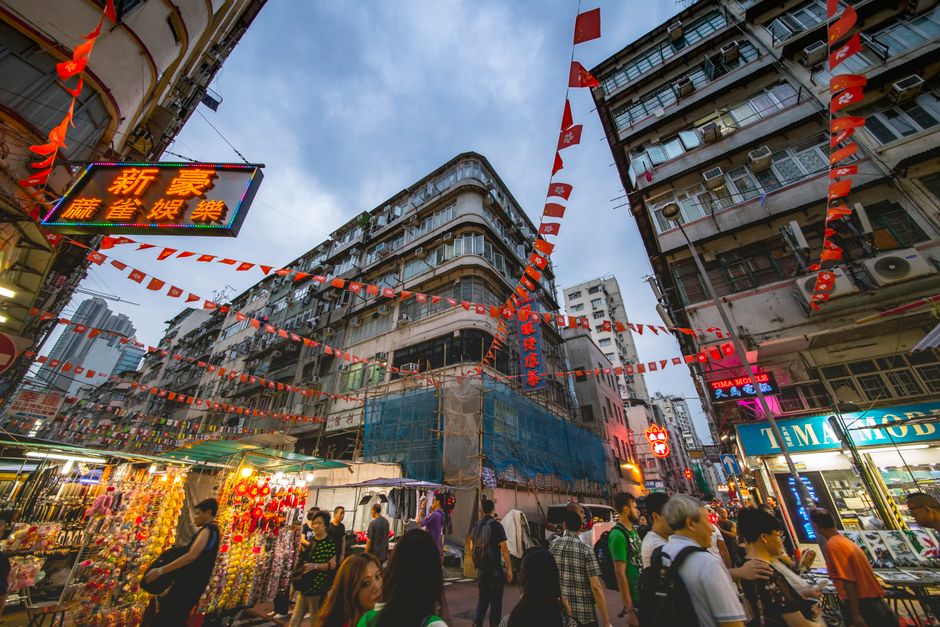
Walk through the narrow lanes of Tai Hang in Wan Chai on any given Friday evening, and you'll encounter Hong Kong's creative pulse: pop-up studios, sample sales, and emerging designers showcasing collections from cramped but vibrant storefronts. This is where Hong Kong's fashion industry—once dismissed as merely a garment manufacturing hub—is quietly rewriting the city's cultural identity.
The shift is measurable. According to data from the Hong Kong Design Council, the creative industries sector grew 12% year-on-year through 2025, with fashion and textile design accounting for nearly 18% of that growth. More significantly, over 340 fashion-related startups have registered in Hong Kong since 2023, a sharp contrast to the previous decade's exodus of design talent to Shanghai and Singapore.
What's driving this renaissance? Partly geography—Sham Shui Po's affordable rents and proximity to fabric markets along Textile Street remain unmatched in Asia. But increasingly, it's cultural positioning. Brands like the ones housed in K11 Musea in Tsim Sha Tsui and emerging labels scattered through PMQ (Police Married Quarters) in Sai Ying Pun are positioning Hong Kong-made fashion as distinctly local: drawing from the city's Cantonese heritage, its gritty urban landscape, and its history as a confluence point between East and West.
"The narrative has changed," explains the steady output from Hong Kong's design schools, where enrolment in fashion programmes at institutions like the Hong Kong Design Institute has surged 34% since 2022. Young designers are no longer seeking validation solely through international prizes; they're anchoring their work in the city itself.
This cultural repositioning arrives at a crucial moment. As Hong Kong grapples with its global image and economic reinvention, fashion design offers something tangible and distinctly theirs. The Central and Sheung Wan gallery scene has begun hosting fashion exhibitions alongside fine art. Independent boutiques in Causeway Bay and Mong Kok are curating collections that celebrate local makers. Last month's Hong Kong Fashion Week Extended, held across multiple neighbourhood venues rather than just the Convention Centre, drew record attendance.
The economic argument is secondary now. What matters is that fashion design—historically treated as industrial commodity—has become a vehicle for Hong Kong to articulate who it is culturally. In a city searching for new definitions of itself, these designers are stitching together answers from fabric, creativity, and stubbornly local sensibilities.
This article was compiled by AI from the sources linked above and screened before publishing. See our editorial standards.