From Rickshaws to Rooftops: How Hong Kong's Central Heritage District Evolved Into a Living Cultural Tapestry
As preservation efforts intensify across the city's oldest neighbourhoods, locals and heritage advocates grapple with balancing conservation against the relentless march of modernisation.
This article was generated by AI from the linked public sources. The Daily Hong Kong is independently owned and covers Hong Kong news free from advertiser or sponsor influence. Read our editorial standards →
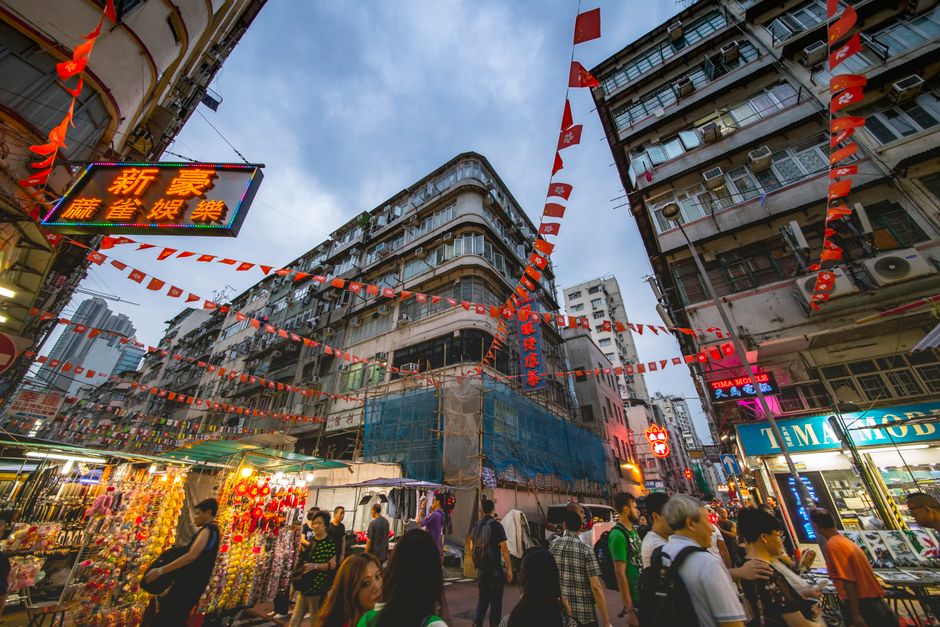
Walk down Possession Street in Central on any given weekday, and you'll witness Hong Kong's cultural DNA in motion. The narrow laneway, claimed as the island's first European settlement in 1841, now pulses with independent bookshops, heritage cafés, and small galleries housed in restored colonial-era buildings. Yet this living museum didn't emerge by accident—it reflects decades of grassroots advocacy and shifting urban priorities that have transformed how this city values its past.
The 1960s and 70s saw Hong Kong's historic quarters face existential threat. As the economy boomed, developers eyeing Central's premium real estate demolished centuries-old structures with minimal ceremony. The Star Street Precinct—once a working-class neighbourhood of dai pai dong food stalls and traditional shops—narrowly escaped wholesale clearance in the 1990s. Today, its Art Deco shophouses command rents exceeding HK$200,000 monthly, attracting galleries, design studios, and restaurants that celebrate rather than erase the area's streetscape character.
The turning point came through organisations like the Hong Kong Heritage Conservation Foundation and citizen-led campaigns. The 2008 listing of the Peak Tram as a Grade 1 historic structure signalled institutional recognition of cultural assets beyond temples and traditional monuments. By 2015, the Antiquities Authority had designated over 1,400 buildings across Hong Kong as heritage sites—though only 37 received the highest grade protection.
Stanley's beachfront promenade tells another story. Once a fishing village of sampans and junks, it transformed through mid-century British colonial development, yet locals successfully resisted homogenising redevelopment. Today's blend of Portuguese seafood restaurants, temple festivals honouring Tin Hau, and colonial-era police barracks reflects negotiated heritage—neither frozen in amber nor obliterated by commerce.
But evolution continues unevenly. Sheung Wan's Cat Street (Upper Lascar Row) now attracts global tourists seeking curated vintage and craft, displacing longstanding antique dealers who sustained the district's authentic character. Meanwhile, Sham Shui Po—historically Hong Kong's electronics and fabric wholesale hub—faces gentrification pressures as young creative industries discover its affordable studio spaces.
The challenge facing Hong Kong's heritage guardians remains acute: how to preserve the social ecosystems embedded within these historic layers, not merely their architectural shells. Preservation without gentrification, conservation without calcification. As Central's skyline soars ever higher, the question becomes whether future generations will inhabit living heritage or curated nostalgia.
This article was compiled by AI from the sources linked above and screened before publishing. See our editorial standards.
Covering culture in Hong Kong. This article was generated by AI from the linked sources and was not reviewed by a human editor before publishing. See our editorial standards.