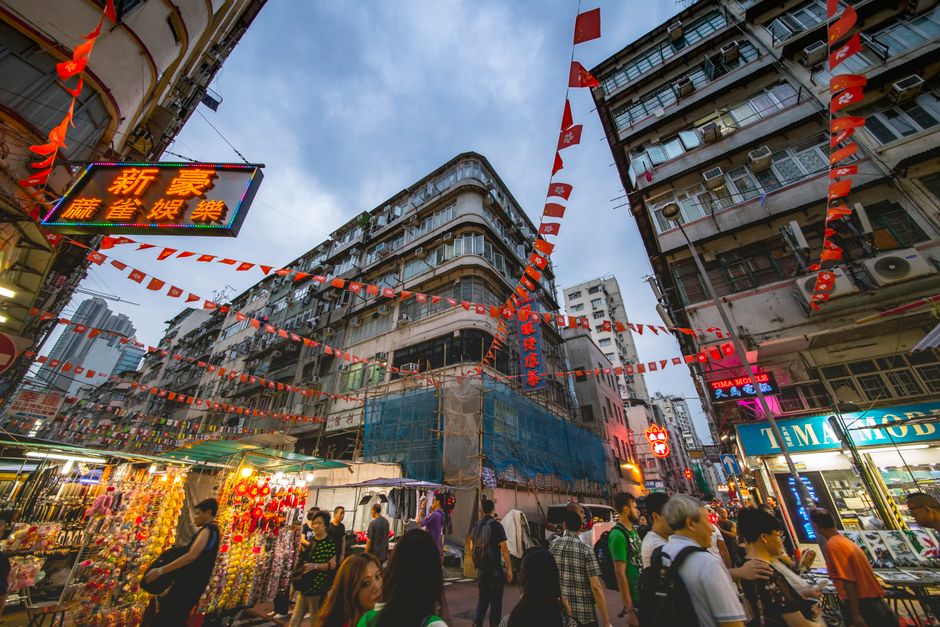
When Sophia Chan first rented a 400-square-foot studio in Kwun Tong in 2019, she was one of dozens of emerging designers fleeing skyrocketing retail rents in Central. Today, the former garment district has transformed into an unlikely creative hub, with over 150 fashion studios clustered around the old industrial blocks near Eastern Corridor.
"We couldn't afford a showroom in Causeway Bay," Chan explains, gesturing at her cutting table wedged between fabric bolts and a vintage sewing machine. "But Kwun Tong gave us space to experiment." Her label, now stocked in Lane Crawford and 10 Corso Como, employs eight people—all based within a fifteen-minute walk of her studio.
This grassroots clustering reflects a broader shift. Hong Kong's fashion and design industries now contribute HK$58 billion annually to the economy, according to the Hong Kong Design Centre, yet the infrastructure supporting emerging talent remains fragmented. The Trade Development Council reported that 68 percent of local fashion brands operate with teams under ten people, relying on networks rather than institutional support.
Across Victoria Harbour in Wong Chuk Hang, a former industrial enclave now home to galleries and creative spaces, designer collectives have emerged as the connective tissue holding the scene together. Groups like the Hong Kong Young Designers' Collective host trunk shows and share resources, effectively functioning as informal incubators. Monthly studio crawls have become cultural fixtures, drawing international buyers and press.
Yet sustainability challenges persist. Commercial rent in creative neighborhoods has climbed 40 percent since 2022, squeezing margins for designers already managing thin profit margins. Many supplement their work with freelance design for international brands or teaching at institutions like Hong Kong Design Institute and Polytechnic University.
What distinguishes Hong Kong's emerging fashion scene is its hybridity. Designers seamlessly blend Cantonese tailoring traditions with sustainable practices and digital innovation. This cultural specificity—impossible to replicate elsewhere—has begun attracting global attention. At Milan Fashion Week 2025, three Hong Kong designers presented collections influenced by the city's street culture and architectural vernacular.
As the industry matures, the question becomes whether institutional support will follow grassroots momentum. The Hong Kong Fashion Summit, held annually since 2023, has connected local designers with international manufacturers and investors. Still, many creators acknowledge that survival depends on community resilience rather than government frameworks.
For now, in those cramped Kwun Tong studios, the scene persists through collaboration, determination, and the kind of scrappy resourcefulness that has always defined Hong Kong's creative spirit.
This article was compiled by AI from the sources linked above and screened before publishing. See our editorial standards.