Hong Kong's Theatre Scene is Fracturing—and Audiences Are Taking Sides
As funding disputes and venue closures reshape the cultural landscape, locals are fiercely debating what theatre should be in 2026.
3 min read
Updated 12 h ago
As funding disputes and venue closures reshape the cultural landscape, locals are fiercely debating what theatre should be in 2026.
3 min read
Updated 12 h ago
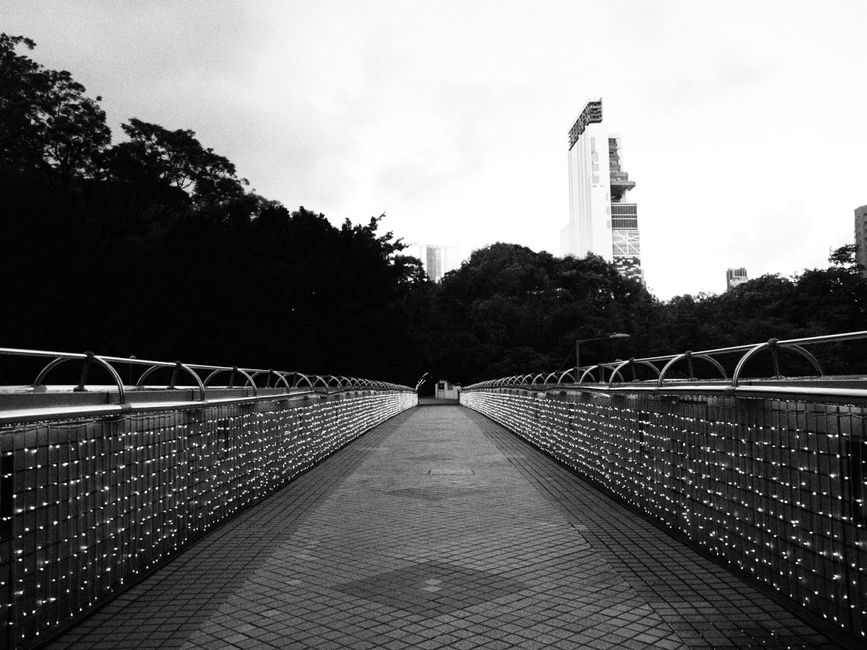
Walk past the Shouson Theatre in Wan Chai on a Tuesday evening and you'll notice something that would have been unthinkable three years ago: empty seats. Not just scattered vacancies, but entire sections cordoned off. The reason, whispered over coffee in nearby cafés, has become the most polarising conversation in Hong Kong's performing arts world.
The fracture runs deeper than attendance figures. In recent weeks, three mid-sized theatre companies have announced relocations away from traditional venues—one heading to a converted warehouse in Kwun Tong, another shifting operations entirely online. Meanwhile, the Leisure and Cultural Services Department's 2026 arts funding allocation, announced in April, saw an 8 per cent reduction in grants to independent theatre groups, the deepest cut in a decade. The consequence is palpable: established companies are fighting to maintain programming, while experimental venues in Sheung Wan and North Point are scrambling to stay afloat.
"What we're seeing is a philosophical split," explains one industry observer, pointing to the bifurcation between mainstream, government-supported institutions and the scrappier independent scene. The Hong Kong Arts Festival, which concluded in March, drew record audiences—yet smaller productions at intimate venues like the Fringe Club saw attendance drop by roughly 15 per cent year-on-year, according to anecdotal reports from venue operators.
The conversation has become intensely local. On arts-focused forums and WhatsApp groups, Hong Kongers are asking: who gets to perform? What counts as theatre? Should cultural institutions chase tourist dollars or serve neighbourhood communities? When a beloved black-box theatre in Causeway Bay announced closure last month to make way for luxury retail, it crystallised anxieties that have been building since 2024.
Yet there are unexpected bright spots. The rise of Cantonese-language experimental work—pieces explicitly rejecting English-medium theatre conventions—has energised younger audiences. Productions in venues scattered across Mong Kok and Sham Shui Po are attracting crowds willing to travel. One recent sold-out run of a local adaptation at a modest 80-seat space in Sheung Wan sparked heated online debate about whether this reflected authentic Hong Kong culture, or whether nostalgia was clouding judgment.
The real tension isn't between high and low culture. It's about access, identity, and whose vision of Hong Kong's theatrical future prevails. As summer approaches and venues prepare new schedules, locals are watching closely. The question isn't whether theatre survives here—it's what kind of theatre, and for whom.
This article was compiled by AI from the sources linked above and screened before publishing. See our editorial standards.
About this article
Published by The Daily Hong Kong
Spread the word
Daily brief
Free, in your inbox before 7am. Weekdays.
Before you go
The day's Hong Kong news in a 2-minute read. Free, weekday mornings.