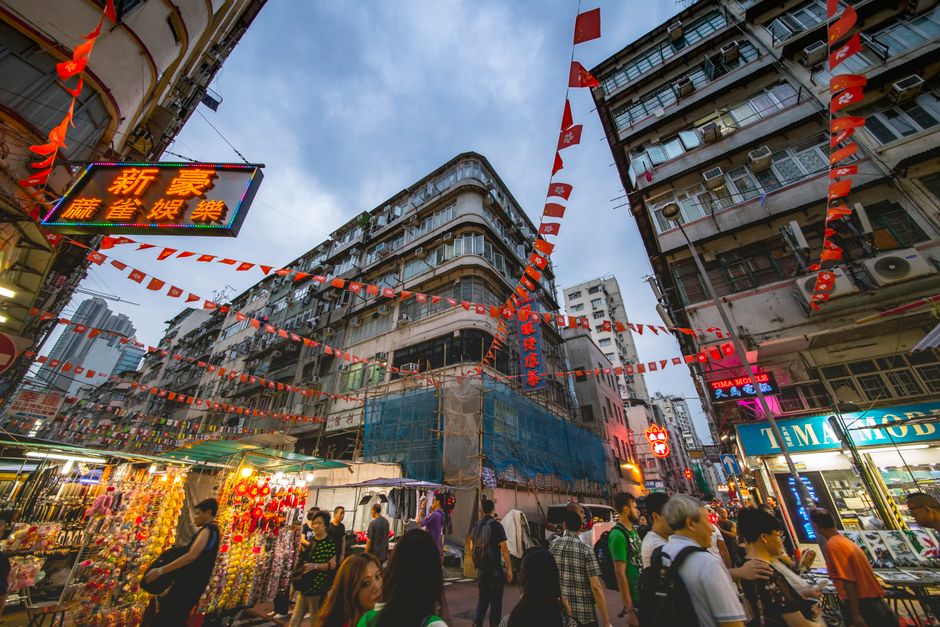
Walk down Wellington Street in Central at 5:30pm these days, and you'll notice something unusual: restaurants that once fired up their woks at 6pm are now welcoming the dinner rush an hour earlier. This isn't nostalgia for a lost era—it's a pragmatic response to economics and exhaustion reshaping how Hong Kong's 7.5 million residents approach their most cherished ritual: eating out.
The shift reflects mounting pressures on the hospitality sector. Landlords in prime dining districts—Central, Causeway Bay, Mong Kok—are demanding rents that force venues to maximise table turnover. Simultaneously, white-collar workers are abandoning the 8pm dinner mentality that defined Hong Kong's corporate culture for decades. The boundary between office and home blurred during the pandemic and never quite snapped back.
"We're seeing more 5pm arrivals, particularly weekdays," says the operations manager at a long-standing dim sum establishment in Sheung Wan, one of the city's most pressure-tested neighbourhoods. Venues that once held tables exclusively for 7pm seatings now seat customers at 5:45pm, capturing a demographic that includes young families, retirees, and professionals clocking off early.
This timing flexibility is filtering down to menus too. Mid-range Cantonese restaurants across Hong Kong Island are expanding pre-7pm "early bird" offerings—prix fixe dim sum sets around HK$200–280, a response to both supply-chain inflation and demand from cost-conscious diners. Michelin-starred establishments remain relatively unmoved, but neighbourhood spots from Sai Ying Pun to Wong Chuk Hang are experimenting with value-conscious positioning to fill tables earlier.
The phenomenon extends beyond timing. QSRs and casual dining chains—think the proliferation of conveyor belt sushi and standing noodle bars—are capturing share from traditional sit-down venues. These high-turnover formats thrive on efficiency over lingering, appealing to time-pressed locals. Meanwhile, premium venues are repositioning: the afternoon tea service is experiencing a minor renaissance, particularly in Kowloon.
Industry observers note this reflects deeper uncertainty. Hong Kong's restaurant sector shed roughly 8,000 jobs between 2022 and 2024 according to government labour statistics. Those still employed are working harder, earning less in real terms, and reassessing work-life balance. The 8pm dinner reservation—that hallmark of Hong Kong's upwardly mobile culture—is becoming a luxury fewer can sustain.
For now, the city's food culture isn't declining; it's recalibrating. Earlier dining, leaner menus, and format experimentation suggest Hong Kong's relationship with eating out is maturing from spectacle toward sustainability—a very local story in very local times.
This article was compiled by AI from the sources linked above and screened before publishing. See our editorial standards.