Your Complete Guide to Hong Kong's Best Local Heritage Experiences Right Now
From revitalised waterfront villages to underground craft movements, here's where to encounter authentic Hongkonger culture in 2026.
2 min read
From revitalised waterfront villages to underground craft movements, here's where to encounter authentic Hongkonger culture in 2026.
2 min read
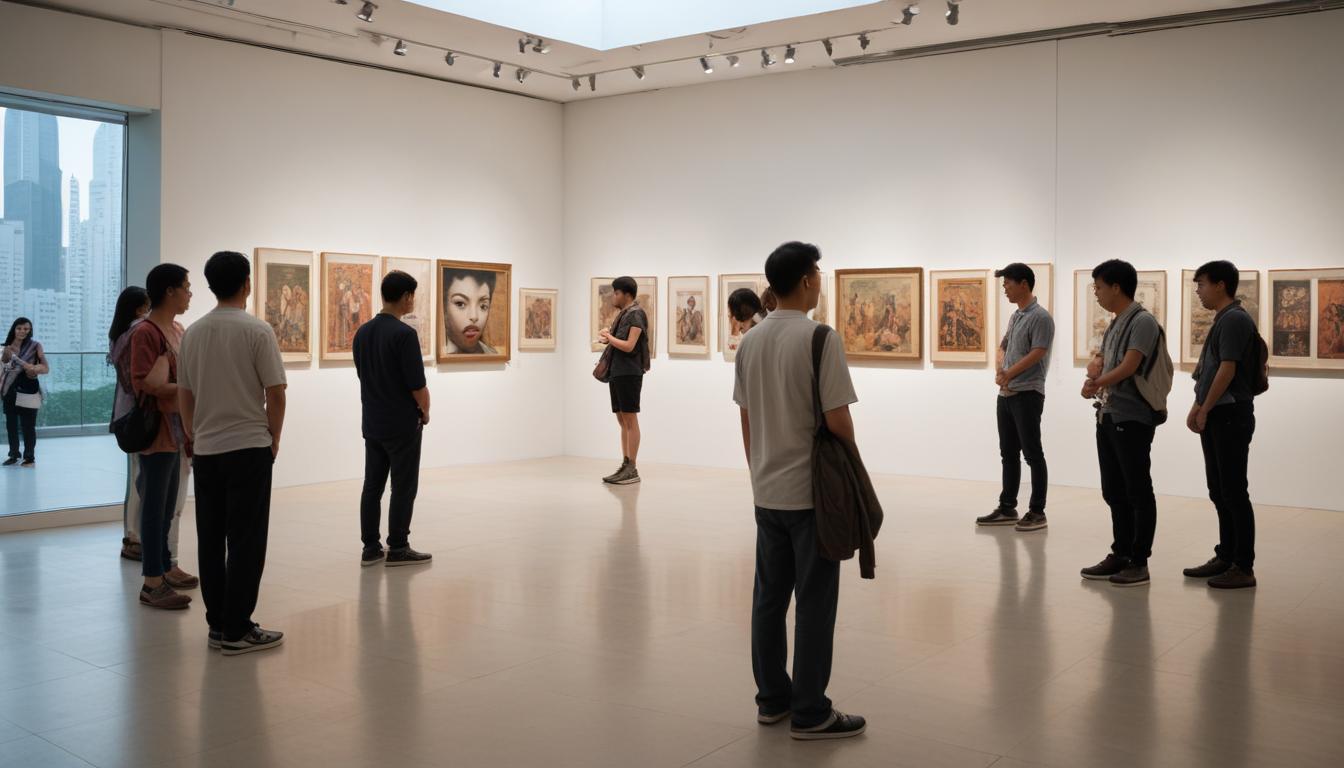
Hong Kong's cultural identity isn't confined to museums or heritage plaques—it's alive in the streets, markets, and neighbourhoods that locals actually inhabit. This moment offers unprecedented access to experiences that capture what it truly means to be Hongkonger.
Start in Lei Yue Mun, the historic fishing village on the eastern harbour. Once a thriving port, this working community of around 2,000 residents maintains its maritime heritage through family-run seafood restaurants and boat repair yards. The waterfront promenade, completed in 2024, now connects locals and visitors to the actual working harbour—you'll see fishermen preparing nets at dawn, and dinner tables overlooking the strait cost between HK$200-400 per person. It's participatory history.
Parallel this with the Central-Sheung Wan precinct, where heritage conservation meets contemporary Chinese culture. Tai Kwun, the former Central Police Station complex, functions as a cultural hub hosting traditional Chinese art alongside contemporary installations. Entrance is HK$120-180, though many exhibitions rotate between free and paid programming. Walk the neighbouring Cat Street and Hollywood Road for independent galleries representing Hong Kong artists reckoning with identity—expect to encounter works engaging with colonial history, migration narratives, and urban change.
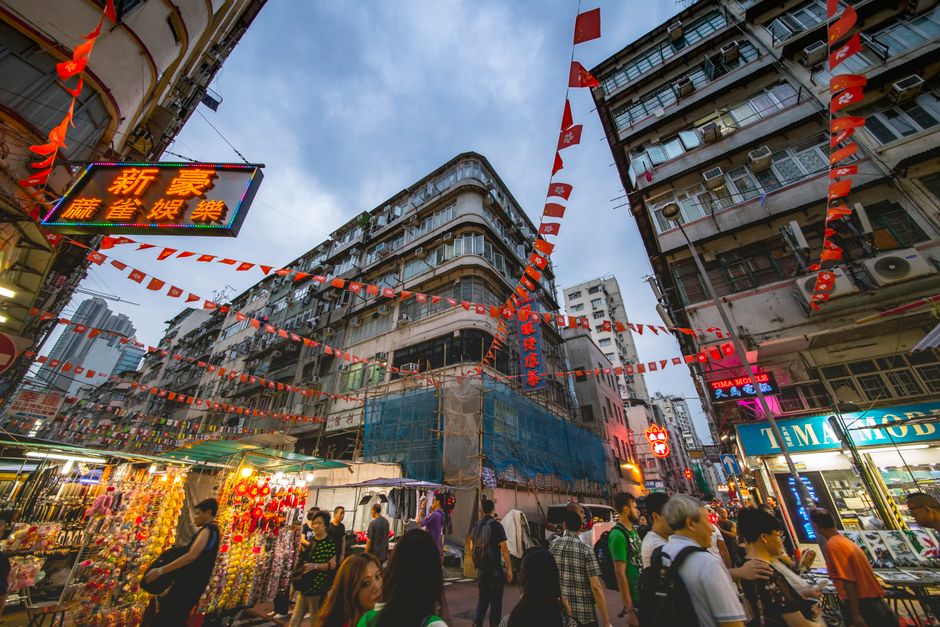
For grassroots cultural production, Sham Shui Po remains essential. The neighbourhood's fabric markets, electronics bazaars, and dai pai dong (open-air food stalls) embody post-war working-class Hong Kong. Visit on weekday mornings when the wet markets on Apliu Street operate in full chaos—this is where elderly Cantonese speakers preserve dialect and food traditions. The neighbourhood's DIY art spaces, including several artist collectives operating from converted industrial units, cost nothing to explore.
Don't miss the seasonal temple festivals. The Tin Hau Festival (typically April) and Mid-Autumn celebrations draw thousands to community temples across Hong Kong Island and Kowloon. These aren't curated experiences—they're where Hongkongers negotiate spiritual practice, neighbourhood identity, and intergenerational transmission of Cantonese custom.
Finally, the Hong Kong Museum of History (HK$10 on Wednesdays for Hong Kong residents, HK$20 otherwise) provides essential context through its permanent exhibition on local history. The museum's approach to 20th-century urban development, migration waves, and cultural formation grounds individual neighbourhood experiences within broader patterns.
The through-line: Hong Kong's heritage exists in active use, not preservation. Visit working communities, support independent cultural operators, and recognise that you're not observing culture—you're entering living social worlds.
This article was compiled by AI from the sources linked above and screened before publishing. See our editorial standards.
About this article
Published by The Daily Hong Kong
Spread the word
Daily brief
Free, in your inbox before 7am. Weekdays.
Before you go
The day's Hong Kong news in a 2-minute read. Free, weekday mornings.