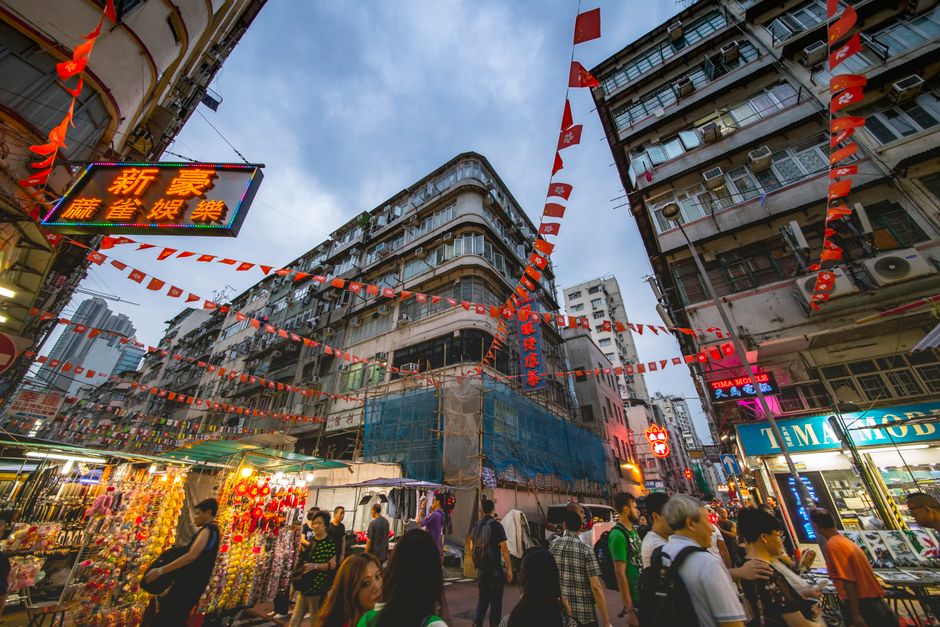
Walk into Joint Publishing's cramped basement bookshop on Des Voeux Road Central on any Saturday afternoon, and you'll find them: clusters of twenty-somethings hunched over self-published zines about Kowloon's vanishing tenement culture, or listening intently as a local historian unpacks the colonial archives. This is where Hong Kong's emerging heritage voices congregate, often unnoticed by the mainstream cultural establishment.
The shift is undeniable. Where previous generations delegated local history to museum professionals and academic circles, a new wave—artists, curators, podcasters and independent researchers—are claiming authority over how Hong Kong remembers itself. Their work bypasses traditional gatekeepers, reaching audiences through Instagram stories about Sheung Wan's dai pai dong vendors, TikTok videos documenting heritage buildings in Central, and intimate talks held in converted warehouses across Ap Lei Chau.
Consider the numbers: heritage-focused Instagram accounts targeting younger demographics have surged from roughly 30 major accounts in 2022 to over 200 by early 2026. Meanwhile, attendance at grassroots heritage talks in venues like Goethe-Institut and the Fringe Club averages 80-120 people per session—modest by stadium standards, but significant for niche cultural work that would have drawn a fraction of that interest five years ago.
What distinguishes this cohort is their methodology. Rather than reverence for the official narrative, many embrace friction. They ask uncomfortable questions about whose stories get preserved—highlighting the experiences of South Asian communities in Chungking Mansions, the labour history of women in the garment factories of Cheung Sha Wan, or the queer histories erased from mainstream accounts. Some collaborate directly with elderly residents in neighbourhoods facing redevelopment, creating oral history archives before communities vanish.
The economic reality remains precarious. Most emerging heritage practitioners cobble together income from freelance curatorial work, part-time museum roles paying HK$150-180 per hour, and occasional grants. Yet their commitment suggests something deeper than employment prospects: a conviction that Hong Kong's identity—increasingly contested in the city's volatile present—must be actively defended through rigorous, creative remembrance.
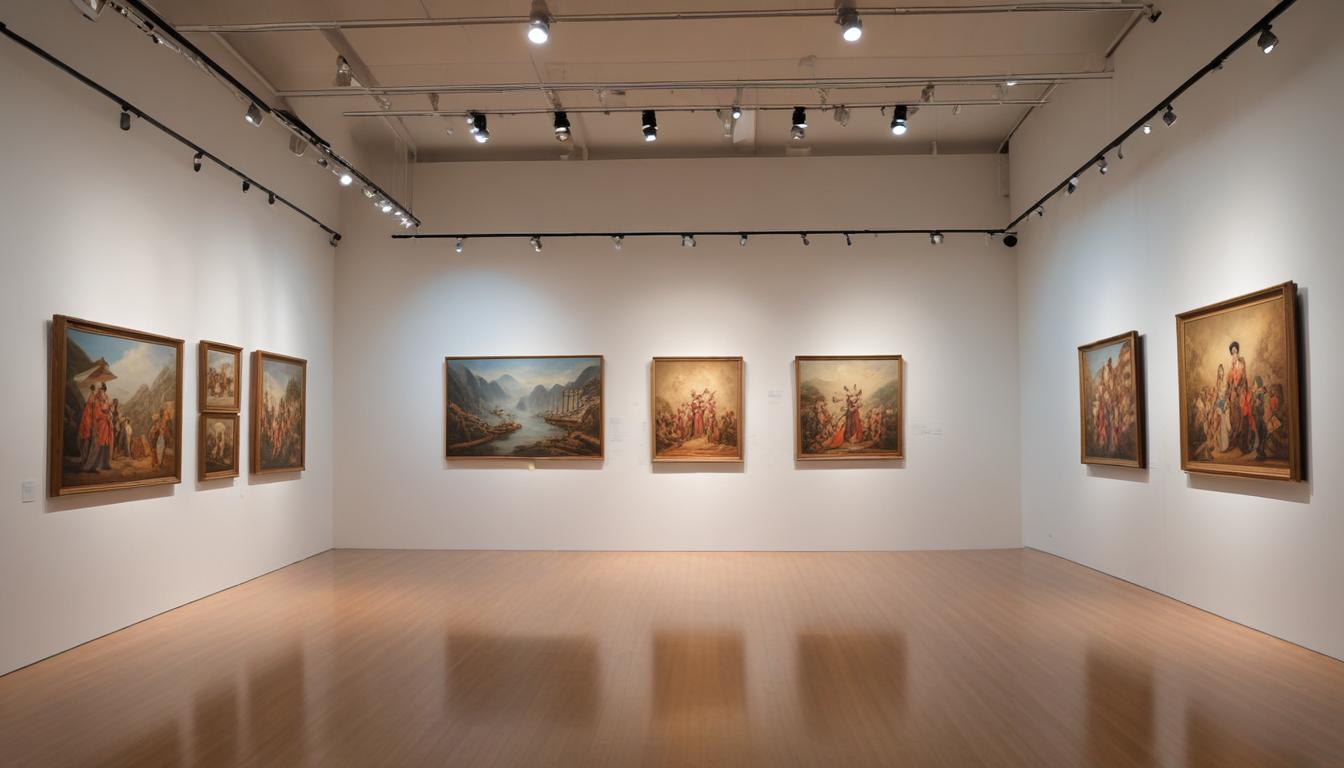
Institutional recognition is slowly following. The Hong Kong Heritage Museum has begun commissioning younger curators for community-focused exhibitions, while the Antiquities and Monuments Office now funds heritage documentation projects led by independent researchers under 35. It's modest support, but it signals that the establishment is watching.
As Hong Kong continues its rapid transformation, these emerging voices aren't simply preserving the past—they're arguing that how we remember who we were directly shapes who we become. And increasingly, the city is listening.
This article was compiled by AI from the sources linked above and screened before publishing. See our editorial standards.